• About the Blogger
  • Healthcare Disclaimer

Fit Past 40 Blog

~ Tips to stay fit, healthy, and young-looking

Fit Past 40 Blog

Monthly Archives: March 2011

Top 10 Ways to Prevent Unsightly Cellulite

28 Monday Mar 2011

Posted by Adriana Falco in Diet, Exercising, Skincare, Top 10 Lists

≈ 2 Comments

Tags

Cellulite, Connective tissue, Fat, Health

Orange peel thighs. Cottage cheese arms. Pin cushion butts. Sounds attractive, right? It’s all jesting jargon for the unflattering look of cellulite that can unfortunately appear on one’s body. It can be a person’s worst nightmares, especially for women. Unsightly, not-so-cute dimples that can emerge out of nowhere on one’s upper arms, legs, butt or even the stomach area. And with no magic wand or secret remedy to diminish (Diminish? I meant to say annihilate!), there is unfortunately a limited of tactics that can be taken to reduce and ideally eliminate.

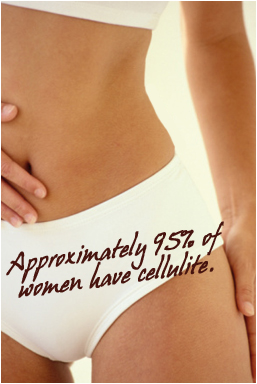
Cellulite does not favor a race or recognize age once one enters puberty, but it does prefer women over men (90% of all women have some level of cellulite) and, like it or not, heredity plays a role. Another cause is inactivity; when our food intake becomes greater than energy output, then body fat levels rise, especially with age. Women who experienced pregnancy and lactation may also see more cellulite on their bodies since the body uses the fatty tissue as insulation, structural support and cushioning. Impaired blood flow and lymph circulation are other causes in developing cellulite as are female hormones (estrogen and progesterone).

If and when cellulite will appear on your body also depends on the strength and flexibility of your fat cells and the thickness of your underlying fat layer in your skin. Cellulite develops in the topmost layers of the skin, resting on top of a layer of firm collagen connective tissue. But cellulite can be avoided altogether. Below are preventative steps to take to help manage and prevent cellulite from making an appearance.

Ways to Prevent:

1.       Lose the extra unnecessary body fat through safe and permanent weight loss methods and exercise programs.

2.       Avoid all commercial baked goods, processed food, and fried foods which are loaded with unhealthy hydrogenated and partially hydrogenated oils.

3.       Reduce your foods and beverages that are high in sugar or are highly processed carbohydrates as they stimulate excess insulin in your blood causing your body to make and store extra fat.

4.       Incorporate the best anti-cellulite foods into your diet, such as beans, legumes, fresh fish, white meats, fruits and vegetables.

5.       Drink lots of water which will help flush toxins out your body and diminish cellulite.

6.       Supplement your diet with a good, balanced blend of the healthy essential fatty acids (Omega 3s, 6s, 9s), including seafood, fish, cantaloupes, papayas, walnuts, pine nuts, almonds, flaxseeds and pumpkin seeds.

7.       Get out there and exercise! Lack of exercise hardens the connective tissue in the skin.

8.       Stop smoking which fast forwards the development of cellulite by constricting your blood vessels and damaging the connective tissue and avoid alcohol which has toxins and calories that get stored in your body as fat, contributing to the cellulite problem.

9.       Avoid diet pills, sleeping pills and diuretics which all lead to cellulite. So do most birth control pills due to high levels of estrogen.

10.    Stop crash dieting which causes your body to think it’s starving and begins to consume saturated fats which builds cellulite.

Cellulite is the result of several factors, but while it is perceived as unsightly, it can be reduced and all together eliminated. The best way to manage cellulite is through exercise and watching your diet . Keep in mind that your daily diet is most crucial in the development and avoidance of cellulite as what you eat can cause toxic build-up and poor circulation. Just follow the methods above and you will be on your way to having smooth skin once again.

Be Fit. Be Strong. Be Well.
Adriana

Share this:

  • Email a link to a friend (Opens in new window) Email
  • Share on Facebook (Opens in new window) Facebook
  • Share on LinkedIn (Opens in new window) LinkedIn
  • Share on Pinterest (Opens in new window) Pinterest
  • Share on Reddit (Opens in new window) Reddit
  • Share on X (Opens in new window) X
  • Share on Tumblr (Opens in new window) Tumblr
  • Print (Opens in new window) Print
Like Loading...

Sleep: An Essential Ingredient to a Healthy Well-Being

21 Monday Mar 2011

Posted by Adriana Falco in Diet, Sleep

≈ Leave a comment

Tags

Health, Sleep debt, Sleep deprivation, Sleep disorder

Many of us take getting a good night’s sleep for granted, and instead put it last on our priority list when burning the candle at both ends. We realize we need the sleep and that it is important. But often it’s thought we’ll catch the extra snooze on Saturday and Sunday when many times this doesn’t occur since other responsibilities or activities pop up on the weekend.

Like regular workouts and a healthy diet, a good night’s sleep is just as important to our bodies and our minds to function effectively and efficiently. Sleep is another vital ingredient to a healthy well-being and it impacts nearly every area of our daily life. Not only does it refresh the body and the mind, but regular sleep habits will make you feel your best.

Most people don’t realize how much sleep they need and why it is so important to their well-being. Studies have shown that sleep plays an essential role in promoting physical health, longevity, and emotional well-being and that our bodies regulates our sleeping habits, the same as it regulates our eating, drinking, exercising and breathing. Other studies confirm that people who get the right amount of sleep on a regular basis tend to live longer and, overall, have healthier lives than those who sleep too few or even too many hours each night.

When our bodies do not get enough sleep, our bodies recognizes and remembers the sleep deficit and expects and needs us to return the missed zzz’s in the very near future. When the catch up on sleep doesn’t occur, problems can develop, such as forgetfulness, moodiness, poor concentration, slower reaction times, injuries, health issues such as heart disease and diabetes, weight gain and less mojo for exercising and activities. Even a shorter lifespan.

How much sleep each person actually needs differs from individual to individual. Some people need a great deal of sleep, while others require only a minimum. I happen to need at least eight hours of sleep every night which is the average. Finding your right amount of sleep hours and remaining consistent about are both key. Even better is going to bed and rising at the same times day in and day out.

Regular, good nights’ rest improves the quality and the length of your life. Other benefits include helping to keep your heart healthy, helping to reduce stress, improving your memory and mood, reducing your chances of diabetes, helps to repair your body and helps control body weight issues.

Eating the right foods in the hours before you hit the hay may help you fall asleep faster and deeper. Ten foods that will help you snooze are almonds, cherries, bananas, oatmeal, hard-cooked eggs edamame, miso soup, herbal teas, dairy and cereal. Ten foods that will make you toss and turn during the night include caffeine, aged cheeses, spicy foods, processed or smoked meats, tomato-based sauces, energy drinks, ginseng tea, milk chocolate and alcohol.

So find the best ritual for you before going to bed. May it be reading a book, a glass of warm milk or some snuggle time with your honey. Snooze away and awaken to another great day in your life.

Be Fit. Be Strong. Be Well.
Adriana
Share this:

  • Email a link to a friend (Opens in new window) Email
  • Share on Facebook (Opens in new window) Facebook
  • Share on LinkedIn (Opens in new window) LinkedIn
  • Share on Pinterest (Opens in new window) Pinterest
  • Share on Reddit (Opens in new window) Reddit
  • Share on X (Opens in new window) X
  • Share on Tumblr (Opens in new window) Tumblr
  • Print (Opens in new window) Print
Like Loading...

The Sinful Sips of Soda

14 Monday Mar 2011

Posted by Adriana Falco in Diet

≈ Leave a comment

Tags

Diet soda, Phosphoric acid, Sodium benzoate, Soft drink, Sugar substitute

Perhaps there is nothing like a chilly sizzling soda sliding up through a straw, or sipped straight out of a cold can, fizzing and buzzing as it sinfully and deliciously glides down your throat. Is it the bubbles that have you hooked? The caffeine sensation? Or is it simply the taste?

For me, it was the taste. Yes, there was a time I, Ms. Fitness Conscientious, drank soda. Diet Mountain Dew. I simply loved the lemon lime taste and the fuzzily feel. But one day I had a terribly reaction when I went without it for just one day. That was my wakeup call and I haven’t had a sip of the stuff since.

Americans are drinking more pop sodas today than ever before. Sodas may taste great and keep us extra alert, but no matter what brand you may guzzle down, they all lack nutritional value and are an unhealthy beverage choice.

Most sodas are composed of carbonated water, dye coloring, sugar or an artificial sweetener, caffeine, phosphoric acid and contain high-fructose corn syrup. The perfect recipe for tooth decay, nutritional depletion, obesity, type 2 diabetes and heart disease. You are also more of risk to osteoporosis as the carbonation and phosphoric acid can decrease your blood calcium levels. Soda can stain your teeth yellow and can contribute to cellulite. The caffeine in soda can decrease the calcium in your body, as well as stimulate your central nervous system causing stress, a racing mind, insomnia and the jitters. And not only is caffeine a stimulant that can be habit forming, it is diuretic which can cause you dehydration.

Diet sodas are not a healthier choice and they are not going to help you lose those last 10 pounds. On the contrary. The artificial sweeteners stevia, aspartame, sucralose, neotame, acesulfame potassium, and saccharin that are added to sodas actually all hinder dieting and all can be health threatening. Studies have shown artificial sweeteners linking to depression, panic attacks, headaches, allergies, infertility, cancer, Alzheimer’s disease and other medical conditions. Drinking either diet or regular soda on a daily basis will also cause a 30% increased chance of you gaining weight around the middle than if you opted for just plain water or other healthier choices. And a recent Purdue University study released in the journal Behavioral Neuroscience hints at the idea that artificial sweeteners, like those found in soda, might alter a person’s metabolism.

Sodas also contain preservatives. The main preservative in most brands is sodium benzoate, although many brands are taking steps to remove this additive. Sodium benzoate is used to preserve freshness and can also be found in other acidic foods such as salad dressings, jams and fruit juices. But at the same time, this preservative can also be found in alcohol-based mouthwashes, cough syrups, shampoos, silver polishes and even some fireworks. Yummy, huh? And although the FDA has previously classified sodium benzoate as safe, the classification is now being questioned. Studies have revealed that when in the presence of vitamin C, sodium benzoate forms a chemical known as benzene, which not only causes damage to DNA, it’s a known carcinogen and plays a death defying role in a variety of diseases. Further studies have also found a link of sodium benzoate to hyperactivity when paired up with artificial coloring, having a particular effect on some children. All away around, sodium benzoate is nothing but bad unhealthy news.

But there are some useful good uses of the sizzle stuff. Some auto mechanics actually use soda as an industrial agent, to put out engine fires or to place on corroded car batteries as a dissolvent for alkali. Police officers sometimes use soda to remove blood from the highways stemming from accidents. And cleaning professionals often use soda to remove hard stains found in bathrooms.

With the high sugar content, the elevated acidity, the addictive psychoactive stimulant and the dangerous artificial sweeteners all found in soda, it is truly the drink of self bodily destruction. Avoiding the popular beverage can be the best thing you can do for your teeth, your bones, your waistline and your overall health.

Be Fit. Be Strong. Be Well.
Adriana

Share this:

  • Email a link to a friend (Opens in new window) Email
  • Share on Facebook (Opens in new window) Facebook
  • Share on LinkedIn (Opens in new window) LinkedIn
  • Share on Pinterest (Opens in new window) Pinterest
  • Share on Reddit (Opens in new window) Reddit
  • Share on X (Opens in new window) X
  • Share on Tumblr (Opens in new window) Tumblr
  • Print (Opens in new window) Print
Like Loading...

The Surprising Health Benefits of Downhill Skiing

07 Monday Mar 2011

Posted by Adriana Falco in Cardio, Exercising, Skiing, Sports

≈ 1 Comment

Tags

Ski, sport, Winter sport

This month I will be traveling to Sunday River, one of Maine’s largest and most visited ski resorts. It has 132 trails across eight interconnected mountain peaks and 16 lifts. Its highest vertical drop is 2,340 feet; peanuts when compare to the drops out West, but here in the East, it’s pretty decent.

I’ve been skiing since the fifth grade. I got into the sport by chance. My then best friend at the time, Beth Johnson, was just learning to ski. For months during the winter, her dad took us to a nearby ski area. I fell in love with it immediately and have been downhill skiing ever since.

Some might be surprised to think of skiing as a great sport that benefits your body. One could think of it as dangerous, hard on the knees or too exposed to frostbite. While skiing is a strenuous form of exercise, the healthy advantages to downhill skiing are numerous.

One of the biggest benefits of skiing for fitness is that it is great, complete body workout, exerting every major muscle group from your head to your toes and toning your entire torso. This terrific aerobic activity improves balance and coordination and is an excellent way to stretch and strengthen leg muscles, particularly in the thighs and around the knees, as well as help with joint mobility. Your quadriceps, hamstrings, calves and gluteal muscles will all be worked, due to the semi-squat position skiers take, as well as your abductor and adductor muscles from all of the lateral motions.

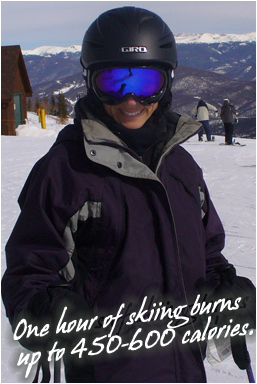
Downhill skiing is also an excellent cardio workout, strengthening your heart, improving your circulatory system and releasing oxygen to your muscles. It is an excellent fat burning activity, burning 450 to 600 calories for an average 165-pound person while mogul skiing can burn almost 900 calories an hour. Skiing also boosts your metabolism and helps to regulate good cholesterol levels in your body.

Skiing requires a certain level of balance, strength and endurance so pre-conditioning in the weeks and months leading up to the slopes to increase your endurance and lessen a chance of a possible injury is a must. Pilates will work your core before taking on the mountains while yoga is a good discipline to improve your strength, balance and concentration. The Awkward Pose is one of the better positions, which when done correctly, increases your overall strength, tones the muscles of your legs and aligns your skeletal system.

Ski injuries that due occur seem to either happen early in the day when muscles aren’t loose yet or late in the afternoon when the muscles are fatigue. So just like you stretch before a long run, stretch your muscles before heading out to the lift lines. This includes your shoulders and back, but most particularly your legs which will receive the brunt of your workout. To help prevent altitude sickness, stay well hydrated continually and avoid caffeine and alcohol. And always remember to wear your helmet!

What is the best benefit of skiing? That it does not seem like you are working out for six or more straight hours. Instead, you feel like you are eighteen again as you fly down the snowy slopes set against magnificent scenic surroundings. You are able to experience the great outdoors in the cold crisp air, explore endless miles of trails and enjoy the endorphins that kick in right before you hit the hot tub!

Be Fit. Be Strong. Be Well.
Adriana

Share this:

  • Email a link to a friend (Opens in new window) Email
  • Share on Facebook (Opens in new window) Facebook
  • Share on LinkedIn (Opens in new window) LinkedIn
  • Share on Pinterest (Opens in new window) Pinterest
  • Share on Reddit (Opens in new window) Reddit
  • Share on X (Opens in new window) X
  • Share on Tumblr (Opens in new window) Tumblr
  • Print (Opens in new window) Print
Like Loading...

Adriana Falco

  • About the Blogger
  • Healthcare Disclaimer

Like Us on Facebook

Like Us on Facebook

Enter your email address to subscribe to this blog and receive notifications of new posts by email.

Join 135 other subscribers

Recent Posts

  • Easy and Healthy Peanut Butter Dessert Recipes June 9, 2024
  • The Good, the Bad, and the Ugly Oils You Should Include and Not Include in Your Diet March 4, 2024
  • The Sweet Truth About Sweet Potatoes February 28, 2024
  • Unlocking the Decade Beyond 40: 10 Ways to Maximize Longevity and Well-being January 8, 2024
  • Navigating Holiday Eating December 12, 2023
  • The Statin Conundrum: Why Alcohol and Cholesterol Meds Don’t Mix November 27, 2023
  • Healthy and Scrumptious Desserts for the Upcoming Holiday Season November 20, 2023
  • The Tiny Powerhouse: Unveiling the Health Wonders of Chia Seeds November 13, 2023
  • Unraveling the Enigma: Understanding Frontotemporal Dementia (FTD) November 10, 2023
  • Yoga vs. Mat Pilates: Choosing the Right Path to Mind-Body Wellness November 3, 2023

Search Blog Topics

Categories

  • Abdominal Muscles
  • Anti-Aging
  • Book Review
  • Caffeine
  • Cardio
  • Cycling
  • Diet
  • Exercising
  • Fitness Classes
  • Golf
  • Health and Wellness
  • Healthy Getaway
  • Hearth Health
  • Hiking
  • Metabolism
  • Muscles
  • New Year's Resolutions
  • Nutrients
  • Nutrition
  • Pain Management
  • pain relief
  • Paleo
  • Personal Trainer
  • Pickleball
  • Pilates
  • Recipes
  • Running
  • Setting Goals
  • Skiing
  • Skincare
  • Sleep
  • Sports
  • Superfoods
  • Swimming
  • Top 10 Lists
  • Training
  • Uncategorized
  • Vitamins
  • Weight Training
  • Yoga

Fit Past 40 Archives

Follow @ FitnFun

Tweets by fitnfun

Recent Tags

Abdominal exercise Aerobic exercise American Heart Association Bananas Blueberry Breakfast Caffeine Cardio Caveman Diet Cellulite Chocolate Connective tissue Cookies Dark Chocolate Dehydration diet Dieting DVD Eating Clean Energy Bars Energy Drinks Exercises exercising fast twitch muscle fiber Fat Fat Flush Plan Fitness fitness over 40 fitness past 40 Gym Health Healthy Choices Healthy Desserts healthy living Heart Health Hiking holiday eating Metabolism mindless eating Muscle New Year’s resolutions Nutrition pain relief Paleo Pancakes Peanut butter Personal trainer Personal Training Physical exercise Physical fitness Pickleball Pilate Pilates Pumpkin Recipes Riding Horses Running Running Outdoors Setting Goals Ski Skiing Spaghetti Squash sport Sports Strength training Sweet Potatoes Tennis Travel Weight loss Weight training Wellness Winter Blues Yoga Zucchini Zumba

Archives

Adriana Falco

  • About the Blogger
  • Healthcare Disclaimer

Like Us on Facebook

Like Us on Facebook

Enter your email address to subscribe to this blog and receive notifications of new posts by email.

Join 135 other subscribers

Recent Posts

  • Easy and Healthy Peanut Butter Dessert Recipes June 9, 2024
  • The Good, the Bad, and the Ugly Oils You Should Include and Not Include in Your Diet March 4, 2024
  • The Sweet Truth About Sweet Potatoes February 28, 2024
  • Unlocking the Decade Beyond 40: 10 Ways to Maximize Longevity and Well-being January 8, 2024
  • Navigating Holiday Eating December 12, 2023
  • The Statin Conundrum: Why Alcohol and Cholesterol Meds Don’t Mix November 27, 2023
  • Healthy and Scrumptious Desserts for the Upcoming Holiday Season November 20, 2023
  • The Tiny Powerhouse: Unveiling the Health Wonders of Chia Seeds November 13, 2023
  • Unraveling the Enigma: Understanding Frontotemporal Dementia (FTD) November 10, 2023
  • Yoga vs. Mat Pilates: Choosing the Right Path to Mind-Body Wellness November 3, 2023

Search Blog Topics

Categories

  • Abdominal Muscles
  • Anti-Aging
  • Book Review
  • Caffeine
  • Cardio
  • Cycling
  • Diet
  • Exercising
  • Fitness Classes
  • Golf
  • Health and Wellness
  • Healthy Getaway
  • Hearth Health
  • Hiking
  • Metabolism
  • Muscles
  • New Year's Resolutions
  • Nutrients
  • Nutrition
  • Pain Management
  • pain relief
  • Paleo
  • Personal Trainer
  • Pickleball
  • Pilates
  • Recipes
  • Running
  • Setting Goals
  • Skiing
  • Skincare
  • Sleep
  • Sports
  • Superfoods
  • Swimming
  • Top 10 Lists
  • Training
  • Uncategorized
  • Vitamins
  • Weight Training
  • Yoga

Fit Past 40 Archives

Follow @ FitnFun

Tweets by fitnfun

Recent Tags

Abdominal exercise Aerobic exercise American Heart Association Bananas Blueberry Breakfast Caffeine Cardio Caveman Diet Cellulite Chocolate Connective tissue Cookies Dark Chocolate Dehydration diet Dieting DVD Eating Clean Energy Bars Energy Drinks Exercises exercising fast twitch muscle fiber Fat Fat Flush Plan Fitness fitness over 40 fitness past 40 Gym Health Healthy Choices Healthy Desserts healthy living Heart Health Hiking holiday eating Metabolism mindless eating Muscle New Year’s resolutions Nutrition pain relief Paleo Pancakes Peanut butter Personal trainer Personal Training Physical exercise Physical fitness Pickleball Pilate Pilates Pumpkin Recipes Riding Horses Running Running Outdoors Setting Goals Ski Skiing Spaghetti Squash sport Sports Strength training Sweet Potatoes Tennis Travel Weight loss Weight training Wellness Winter Blues Yoga Zucchini Zumba

Archives

Create a free website or blog at WordPress.com.

Privacy & Cookies: This site uses cookies. By continuing to use this website, you agree to their use.
To find out more, including how to control cookies, see here: Cookie Policy
  • Subscribe Subscribed
    • Fit Past 40 Blog
    • Join 86 other subscribers
    • Already have a WordPress.com account? Log in now.
    • Fit Past 40 Blog
    • Subscribe Subscribed
    • Sign up
    • Log in
    • Report this content
    • View site in Reader
    • Manage subscriptions
    • Collapse this bar
 

Loading Comments...
 

    %d