
Tags
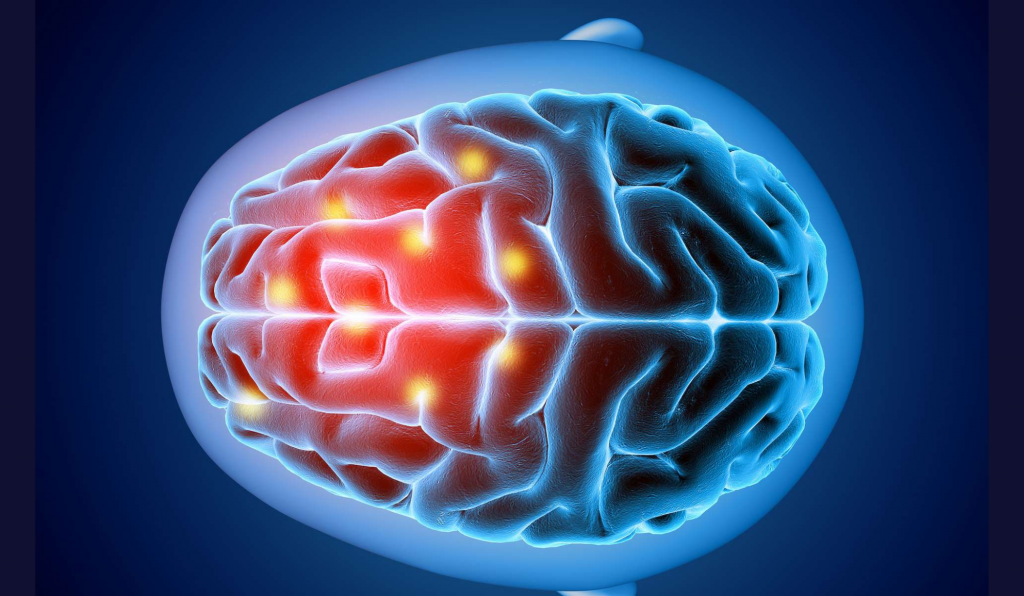
In the vast landscape of neurodegenerative diseases, Frontotemporal Dementia (FTD) stands out as a complex and challenging condition that affects the frontal and temporal lobes of the brain. Often striking individuals in their mid-40s to 60s, FTD presents a unique set of symptoms that distinguish it from other forms of dementia. In this post, I will delve into the intricacies of Frontotemporal Dementia, exploring its causes, symptoms, diagnosis, and potential avenues for treatment.
I am writing about FTD as someone very close and very dear to me was diagnosed with this debilitating disease. Whereas Bruce Willis has brought attention to FTD with his own battle against it, most have not heard of this illness and for those who do may not understand it.
Understanding Frontotemporal Dementia
Frontotemporal Dementia is a progressive brain disorder characterized by the degeneration of nerve cells in the frontal and temporal lobes of the brain. These areas are crucial for personality, behavior, and language, explaining the distinctive symptoms associated with FTD. Unlike more common forms of dementia like Alzheimer’s disease, FTD tends to affect a younger demographic, making it particularly impactful on families and careers.

Causes and Risk Factors
The exact cause of FTD is not fully understood, but a combination of genetic and environmental factors is believed to contribute to its development. Certain genetic mutations, such as those in the MAPT, GRN, and C9orf72 genes, have been linked to an increased risk of FTD. Additionally, a family history of the disease can elevate an individual’s susceptibility.
Symptoms of FTD
Frontotemporal Dementia manifests in a variety of ways, often presenting with changes in personality, behavior, and language. Common symptoms include:
- Personality changes: Individuals with FTD may exhibit alterations in their personality, such as increased apathy, social withdrawal, or inappropriate behavior.
- Behavioral changes: Impulsive actions, loss of empathy, and repetitive behaviors are common behavioral symptoms associated with FTD.
- Language difficulties: FTD can cause language problems, including difficulty speaking, understanding speech, or writing.

Diagnosis and Challenges
Diagnosing FTD can be challenging, as its symptoms can overlap with other neurological conditions. Medical professionals typically rely on a combination of clinical assessments, neuroimaging, and genetic testing to reach an accurate diagnosis. Early and accurate diagnosis is crucial for implementing appropriate interventions and support for individuals affected by FTD.
Treatment and Management
Currently, there is no cure for Frontotemporal Dementia, and treatment primarily focuses on managing symptoms and providing support to improve the quality of life for both patients and their caregivers. Multidisciplinary approaches, including speech therapy, occupational therapy, and behavioral interventions, are often employed to address specific challenges associated with FTD.
In Closing
Frontotemporal Dementia remains a perplexing and lesser-known form of dementia, bringing unique challenges to those affected and their families. As research continues to uncover the mysteries surrounding FTD, raising awareness and fostering understanding are critical steps in supporting affected individuals and advancing our knowledge of this complex condition. By shedding light on Frontotemporal Dementia, we can work towards improved diagnostics, treatments, and ultimately, a brighter future for those impacted by this enigmatic disease.
Be Fit. Be Strong. Be Well.
Adriana
 Fit Past 40 Blog