• About the Blogger
  • Healthcare Disclaimer

Fit Past 40 Blog

~ Tips to stay fit, healthy, and young-looking

Fit Past 40 Blog

Author Archives: Adriana Falco

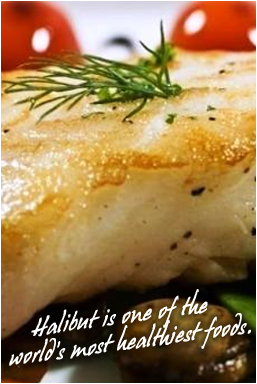
What’s for Dinner? Halibut, Zucchini, and Sweet Potato Fries

08 Monday Aug 2011

Posted by Adriana Falco in Diet, Recipes

≈ 1 Comment

Tags

Halibut, Reicpes, Sweet Potatoes, Zucchini

One of my passions is cooking and baking. I love it so much, that I have well over 100 cookbooks and have often thought of penning my own. The challenge I have faced as a single parent raising two children is their finickiness. While I will eat just about anything, neither of my children like the same foods. Hence, over the years I have often found myself cooking two different “kid-friendly” meals, meaning pasta, Stromboli, and burgers.

Now that my children are in college, they have finally gravitated to have healthier meals; in fact they insist of it. Rarely will you see them divulge in spaghetti, eat a hot dog, or have a piece of dessert. Today when they are home for dinner, I’m almost always at the supermarket after work, picking up fresh meats and vegetables to whip up a meal we will all enjoy.

So I thought I would begin to share some of my favorite recipes. We all love to eat, so why not have another recommended recipe to try out? The following is one of my summer dinnertime meals. It’s simply and easy to prepare. More importantly, it’s delicious! So print this out and tuck it away in your favorite recipe book or collections. I’m sure they will become favorites with your family as they are with mine.

Fresh Herbed Halibut. Preheat the oven’s broiler and coat a baking sheet or broiling pan with olive oil. Rinse the one 2 pound halibut fillet and pat dry. Place on the greased pan, and brush with olive oil or coat with olive oil cooking spray. Squeeze the juice from the wedges of 1 large lemon over the entire fillet, and season generously with 1 teaspoon sea salt first, then 1 teaspoon garlic powder and finally 1 tablespoon dill weed. Broil for 15 to 20 minutes in the preheated oven, until the fillet is opaque and can be flaked with a fork. Broiling time may depend on the thickness of your fillet. Serves four.

Grilled Lemon-Pepper Zucchini. Preheat an outdoor grill for high heat. When hot, lightly oil the grate. Combine the 2 sliced small yellow squash, 2 sliced small zucchinis, 1 diced small onion, and 1 minced red bell pepper in a bowl. Drizzle with 1 1/2 tablespoons extra-virgin olive oil and sprinkle in 1 tablespoon lemon-pepper seasoning. Stir to coat. Place the vegetable mixture in the center of a large sheet of aluminum foil and cover it with another large sheet of foil. Roll the edges of the foil sheets together to seal into a packet. Place the packet on the preheated grill. Cook until the vegetables are tender, about 30 minutes, turning the packet every 5 to 10 minutes. Serves four.

Baked Sweet Potato Fries. Preheat an oven to 350 degrees F. Rinse 2 sweet potatoes with cold water and drain. Cut into French fries and spread them onto a baking sheet. Mix t1/4 teaspoon cinnamon, 1/4 teaspoon ground cardamom, 1/4 teaspoon ground ginger, 1/4 teaspoon ground coriander, and an optional 2 tablespoons light brown sugar together in a bowl; sprinkle over the fries. Drizzle 3 tablespoons light olive oil over the fries. Bake in the preheated oven until tender, about 30 minutes. Season with kosher salt and ground black pepper to taste. Serves four.

For dessert in the summer, I always recommend fresh fruit, especially chilled watermelon! There’s nothing better on a summer night than sitting out back, chatting and eating a good meal with a sweet ending.

Be Fit. Be Strong. Be Well.
Adriana

Share this:

  • Email a link to a friend (Opens in new window) Email
  • Share on Facebook (Opens in new window) Facebook
  • Share on LinkedIn (Opens in new window) LinkedIn
  • Share on Pinterest (Opens in new window) Pinterest
  • Share on Pocket (Opens in new window) Pocket
  • Share on Reddit (Opens in new window) Reddit
  • Share on X (Opens in new window) X
  • Share on Tumblr (Opens in new window) Tumblr
  • Print (Opens in new window) Print
Like Loading...

BHA and BHT: Why They Are a Don’t

07 Sunday Aug 2011

Posted by Adriana Falco in Diet, Nutrition

≈ Leave a comment

Tags

BHA, BHT, Butylated hydroxyanisole, Butylated hydroxytoluene

Growing up, I would watch as Mom would always scrutinize over the ingredient labels of foods, especially boxed cereals.  What was she looking at or for? Perhaps the sugary content that she would steer her family away from? The type of flour, additives, preservatives? To all of these, yes, but most especially the preservatives. Mom would never, ever purchase a food containing BHA and/or BHT preservatives.

While the chemistry and effectiveness these additives within food are straightforward, the controversy surrounding their health effects is a hot topic, and Mom knew it. She knew the warnings and concerns of consuming BHA and BHT from all the ongoing studies and health reports, thus avoided buying any and all foods containing these additives.

Butylated hydroxyanisole (BHA) and butylated hydroxytoluene (BHT) are closely related synthetic antioxidants used as preservatives to prevent fat spoilage in processed foods. While they are often added to dry breakfast cereals, enriched rice, potato flakes, and others foods containing animal fats and shortening, BHA and BHT are also used to preserve fats and oils in lipsticks, moisturizers, and other cosmetics and even pharmaceuticals. They are also banned in nearly every country worldwide except here in the U.S., while they are continued to used by manufacturers in nearly every packaged food in the states.

BHA was invented to extend the shelf life of products, thus allowing them a better chance to be sold. Its primary use is in food, food packaging, animal feed, cosmetics, rubber, and petroleum products. BHA is also commonly used in medicines, such as isotretinoin, lovastatin, and simvastatin, among others. BHT was created purely as an antioxidant additive. Like BHA, it is found in food, cosmetics, rubber, and petroleum products, and also in jet fuels, electrical transformer oil, embalming fluid, and pharmaceuticals.

Despite the fact that the U.S. Food and Drug Administration considers both BHA and BHT to be safe, the warning are no different for BHA and BHT today than when my Mom shopped for food. Studies have shown that long-term exposure to high doses of BHT is toxic in mice and rats, causing liver, thyroid and kidney problems and affecting lung function and blood coagulation. So why is it in our food? And under the Convention for the Protection of the Marine Environment of the North-East Atlantic, BHA is listed as a chemical of potential concern, noting its toxicity to aquatic organisms and potential to bioaccumulate. This is neither appetizing nor appealing. The oxidative qualities of BHA and BHT may also give way to carcinogenicity or tumorigenicity. Additional data suggests that some individuals may even have difficulty metabolizing BHA and BHT, resulting in health and behavior changes, including hyperactivity and autism.

Let’s face it, man-made processed preservatives are just not acceptable for ingestion, and BHA and BHT are not excluded from this group. We can live without food preservatives when eating a healthy nutritional diet. Our bodies are not concerned with the colors of the food with eat and would rather us stay away from the toxic and often residual found in these preservatives, despite the U.S. Food and Drug Administration’s stamp of approval.

Mom always said, “when in doubt, don’t.” Since BHA and BHT are preservatives with still very uncertain effects, in my eyes, they are a don’t. They are totally unnecessary in our diet. To avoid them, be certain to read your food labels before purchasing any processing food. If there are foods already in your pantry containing these ingredients, toss them away or phase them out.

Be Fit. Be Strong. Be Well.
Adriana

Share this:

  • Email a link to a friend (Opens in new window) Email
  • Share on Facebook (Opens in new window) Facebook
  • Share on LinkedIn (Opens in new window) LinkedIn
  • Share on Pinterest (Opens in new window) Pinterest
  • Share on Pocket (Opens in new window) Pocket
  • Share on Reddit (Opens in new window) Reddit
  • Share on X (Opens in new window) X
  • Share on Tumblr (Opens in new window) Tumblr
  • Print (Opens in new window) Print
Like Loading...

High Intensity Training (HIT) – Not for the Meek and Mild

19 Tuesday Jul 2011

Posted by Adriana Falco in Exercising, Muscles, Weight Training

≈ Leave a comment

Tags

Arthur Jones, body building, Bowflex, Fitness, High Intensity Training, HIT, Muscle, Strength training

Since my son Michael has come home for the summer from college, he has been especially dedicated to his workouts and diet. He hits the gym faithfully, follows a healthy muscle building diet and even frequents GNC for supplements. His dedication reminds me of when I was his age. But now the tables have turned slightly as Michael has introduced me to something, HIT; a workout regimen that became widespread in the 1970’s, decades before he was even born.

High Intensity Training (HIT) is a method of strength training first made popular by inventor Arthur Jones, the founder of Nautilus and MedX. Everyone who has ever worked out is knows of Nautilus equipment. The latter company manufactures both spinal rehabilitation and premium exercise equipment. I was first made aware of Jones and his commitment to the fitness world with his creation of the portable Bowflex. My oldest brother, also named Michael, took that apparatus with him everywhere, including family vacations. Yes, you can see that discipline and a dedication to fitness runs in the family.

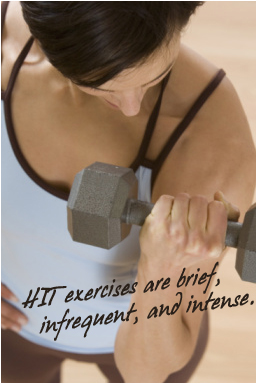
The basic principles of HIT are that the exercises are brief, infrequent, and intense.  The participant works harder for briefer amounts of time and less frequently than the typical high volume approach that trainers often encourage. It stresses intensity over repetition and focuses on performing quality weightlifting repetitions to the point of momentary muscular failure. The training takes into account the number of repetitions, the amount of weight, and the amount of time the muscle is exposed to tension in order to maximize the amount of muscle fiber recruitment. Many bodybuilders used this training technique as it’s an excellent means to build muscle mass which is my son’s goal.

A HIT workout targets one body part at a time with one or two exercises, a single set of 6 to 10 reps for your upper body and either 8 to 15 reps or more commonly 12 to 20 reps for your lower, performed until the exerciser is spent. Dead lifts usually have a rep range of 5 to 8 reps, and calves are sometimes trained with 1 to 2 sets of failure. Be certain to choose a weight that allows you to complete your reps to exhaustion. When you are able to do 10 or more reps, increase the weight for your next workout.

A rule of HIT is, as the exerciser get stronger, the stress is greater and more rest more is needed between workouts. So HIT workouts should be scheduled from 4 days a week to only one workout every 10 days. A sample HITs workout on Mondays, Wednesdays and Fridays or Tuesdays and Thursdays would include: barbell squats, leg extensions, leg curls, calf raises, chin ups or lat pull downs, barbell rows, bench presses, dumbbell flies or pec decks, shoulder presses, dumbbell lateral raises, barbell curls, and tricep extensions.

Not every strength training or exercise program is for everyone. I do not do High Intensity Training as I do not want my muscles any larger than they are already. But for those who would like be more well-built, like my son, than I suggest giving HIT a try. It’s been proven to be very effective and accomplishing increased strength and muscle mass.

Be Fit. Be Strong. Be Well.
Adriana

Share this:

  • Email a link to a friend (Opens in new window) Email
  • Share on Facebook (Opens in new window) Facebook
  • Share on LinkedIn (Opens in new window) LinkedIn
  • Share on Pinterest (Opens in new window) Pinterest
  • Share on Pocket (Opens in new window) Pocket
  • Share on Reddit (Opens in new window) Reddit
  • Share on X (Opens in new window) X
  • Share on Tumblr (Opens in new window) Tumblr
  • Print (Opens in new window) Print
Like Loading...

Sneaker Tips for Runners

15 Friday Jul 2011

Posted by Adriana Falco in Running

≈ Leave a comment

Tags

Athletic shoe, Running, Running Shoes, Sneakers (footwear)

When you’re a runner, your number one most important piece of gear is your sneakers. Once broken in, they become the beloved shoes that embrace the road, weather cool rain, and take whatever you dish out during your runs. They go with you to the gym, get packed in your bag during travels, and sit by your door waiting for you to grab them to go run.

Yes, to a runner, our sneaks are precious. The longer we keep them around, the harder it is to part with them, even when the padding inside becomes worn, the soles thin out and holes begin to appear on the shoe itself.

That’s why I felt a little saddened when I had to part with my last pair as recommended by my physical therapist. I had run way too many miles on the duo and she felt there are sneakers with better support out there for runners. She scribed down a couple brands and models, and off at went to the running story.

Wearing the right footwear is very important when exercising or playing a sport. Cleats for most field sports, boots for riding horses, barefoot for surfing and sneakers for running. When you wear the right shoe, you will be able to work out and play longer, lessen your chance of an injury and decrease how sore you might feel after finishing. The proper shoes give you the support you back needs, wriggle room for your toes, and ventilation for your feet to breathe. Below are some additional tips when buying sneakers to run in.

1.       Before entering the running store, know your arch support and pronation, the motion of how your foot rolls during your stride. This is critical for correct shock absorption and forward propulsion.

2.     Bring your old sneakers with you! The salesperson will know a lot from how you wore your last pair. Also, let them know what type of running you do, including terrain and mileage.

3.       Bring the socks you wear while running. This will help give you a more accurate feel of how the shoe fits.

4.       When trying on each pair, walk around the store in them to evaluate each pair according to their comfort, support, and fit.

5.       If down to two different pairs, place one shoe on each foot for a comparison and take a brief jog around the store. This was my deciding factor when choosing my new pair.

6.       Considering adding an insole, such as Superfeet, to your footwear. This will decrease the amount of shock that is absorbed by your body.

7.       If you run back-to-back days or more than four days a week, you should have at least two sets of sneakers and rotate them. This gives them longevity and avoids irritation and excessive wearing in any particular area.

8.       Keep track how many miles you run in your sneakers, and toss them after 400 miles due to the wear and tear. If you don’t want to keep count of your miles, then get a new pair every 4-5 months.

Keep in mind that everyone is unique, and there is no single perfect shoe. Use your running shoes just for running. Socks also make a difference. Cotton socks can cause blisters since they don’t breathe well or effectively remove moisture. Thermo-regulating performance socks that absorb the moisture are best for running.

Be Fit. Be Strong. Be Well.
Adriana
Share this:

  • Email a link to a friend (Opens in new window) Email
  • Share on Facebook (Opens in new window) Facebook
  • Share on LinkedIn (Opens in new window) LinkedIn
  • Share on Pinterest (Opens in new window) Pinterest
  • Share on Pocket (Opens in new window) Pocket
  • Share on Reddit (Opens in new window) Reddit
  • Share on X (Opens in new window) X
  • Share on Tumblr (Opens in new window) Tumblr
  • Print (Opens in new window) Print
Like Loading...

The Goodness of Wheat Germ

03 Sunday Jul 2011

Posted by Adriana Falco in Health and Wellness, Nutrition, Recipes

≈ Leave a comment

Tags

wheat germ

Many are not familiar with wheat germ or its healthy benefits. Once I was asked if wheat germ was some type of virus catchable by eating infected wheat products. This is farthest from the truth! It is not a bacterium by any means. It is actually an excellent source of many essential nutrients for your body bundled together. According to a Mayo Clinic ranking, it is also considered to be one of the top 10 healthiest foods.

I was first introduced to wheat germ as a child. Mom used it as one of her ingredients in her morning power drinks that she created in the blender. She would also add wheat germ to pancake batter, sprinkled it in our cereal, hid it in baked cookies and breads, and put it in break crumb mixture to coat chicken for dinner. Anywhere she could include it, she would.

So what is it? Well, wheat germ is not a food per se. It is actually the nutrient-rich embryo of the wheat kernel, removed during the processing of whole wheat grains to white flour, making up only about 2-3% of the entire wheat kernel. It is a very concentrated source of nutrients, containing numerous vital vitamins and minerals and healthy fats. Packed with power, two tablespoons a day of wheat germ provide an excellent source of protein, fiber, unsaturated fat, vitamin E, vitamin B1 B2, B6 phosphorus, zinc, thiamine, magnesium and pantothenic acid. Wheat germ also contains gluten. So if you are allergic to gluten, avoid it.

Wheat germ has many other health benefits. It can lower cholesterol, fight cancer and heart disease, prevent constipation and strokes, and improve digestion. It also helps to improve the storage of energy in muscles, boosts endurance and the overall stamina of the body, enhances body reflexes and improves overall alertness. Wheat germ additionally contributes in strengthening the immune system, balancing metabolism, and increasing the ability to cope with stress. It fights diabetes, prevents weight gain, protects the muscles, blood, lungs, and eyes, and, as an added bonus, slows down the aging process. What else can you possible ask for?

What is also great about wheat germ is that you can add easily it to a lot of the foods and drinks you already eat, such as yogurt, salads, casserole dishes, baked goodies and more. You can cook with it, bake with it, mix with it and sprinkle it in a favorite recipe.  Below are some of my own favorite wheat germ recipes.

Wheat Germ Whole-Wheat Buttermilk Pancakes: In a medium bowl, mix 2 eggs with 1/4 cup canola oil and 2 cups buttermilk. Stir in 2 teaspoons baking soda, 1/2 cup wheat germ, 1/2 teaspoon salt and 1 1/2 cups whole wheat pastry flour; mix until blended. Heat a lightly oiled griddle or frying pan over medium-high heat. Pour or scoop the batter onto the griddle, using approximately 1/4 cup for each pancake. Brown on both sides, turning once. Yields 12 pancakes.

Wheat Germ Cinnamon Pumpkin Waffles: Preheat a waffle iron according to manufacturer’s instructions. Combine 1 cup whole wheat flour, 1/4 cup wheat germ, 1/3 cup white sugar, 1 teaspoon ground cinnamon, 1 teaspoon pumpkin pie spice, 1/2 teaspoon ground nutmeg, 1/2 teaspoon salt, and 1 tablespoon baking powder in a bowl. Set aside. Beat together 3/4 cup milk, 1 /2 cup pumpkin puree, 2 tablespoons melted butter, 2 tablespoons olive oil, 1/2 cup unsweetened applesauce, 1 egg, and 1 egg white. Stir flour mixture into the pumpkin mixture along with 1/2 cup chopped pecans. Ladle the batter onto the preheated waffle iron. Cook the waffles until golden and crisp, 5 to 7 minutes. Yields 8 waffles.

Wheat Germ Cookies: Preheat the oven to 325 degrees F (165 degrees C). In a large bowl, cream together 1 cup butter (softened), 1 cup white sugar and 1 cup brown sugar until smooth. Beat in 2 eggs, one at a time then stir in 1 1/2 teaspoons vanilla extract. In a separate bowl, combine 1 1/2 cups rolled oats (not instant oats), 1 cup wheat germ, 1 cup all-purpose flour, 1 teaspoon baking powder, 1 teaspoon baking soda and 1 teaspoon salt. Stir the dry ingredients into the creamed mixture. Finally, mix in 1 cup flaked coconut, 2 cups chopped pecan s and 1 cup chopped pitted dates. Drop by rounded spoonfuls onto ungreased cookie sheets. Bake for 8 to 10 minutes in the preheated oven. Allow cookies to cool on baking sheet for a couple minutes before removing to a wire rack to cool completely. This allows them to flatten and firm up. Yields 5 dozen cookies.

Wheat Germ Double Chocolate Muffins:  Preheat an oven to 400 degrees F (200 degrees C). Grease 12 muffin cups, or line with paper muffin liners. Combine 1 cup whole wheat flour, 3/4 cup ground flax seed, 1/2 cup wheat germ, 1 teaspoon baking soda, 1 1/2 teaspoons baking powder, 1/2 cup cocoa powder, 1 tablespoon ground cinnamon, and 1/2 cup miniature semisweet chocolate chips in a large bowl. In another bowl, beat 1 cup low-fat buttermilk, 3/4 cup pumpkin puree, 1 cup brown sugar, 1 egg, and 1 teaspoon vanilla extract until smooth. Gently stir the wet ingredients into the dry, mixing just until combined. Spoon equal amounts of batter into muffin cups. Bake until a toothpick inserted in the center of a muffin comes out clean, about 20 to 30 minutes. Yields 12 muffins.

Enjoy these recipes or add wheat germ to one of your own favorite. You can find wheat germ in any grocery story. It’s typically next to the cereals. I buy the Quaker® Kretschemer Honey Crunch Wheat Germ and store it in my fridge once I open it. If kept in a sealed jar and refrigerated, wheat germ can last nine months.

Be Fit. Be Strong. Be Well.
Adriana

Share this:

  • Email a link to a friend (Opens in new window) Email
  • Share on Facebook (Opens in new window) Facebook
  • Share on LinkedIn (Opens in new window) LinkedIn
  • Share on Pinterest (Opens in new window) Pinterest
  • Share on Pocket (Opens in new window) Pocket
  • Share on Reddit (Opens in new window) Reddit
  • Share on X (Opens in new window) X
  • Share on Tumblr (Opens in new window) Tumblr
  • Print (Opens in new window) Print
Like Loading...

Riding Horses in Vermont – A Fit and Fun Getaway

28 Tuesday Jun 2011

Posted by Adriana Falco in Health and Wellness, Healthy Getaway, Sports

≈ 1 Comment

Tags

Chittenden Vermont, Green Mountain National Forest, Horseback Riding, Riding Horses, Vermont

One of my favorite types of vacations is one that includes athletic endeavors. It brings out the tomboy in me and places my endorphins into overdrive. May it be barreling down a snowy steep mountain, zipping  through trees in a hot dense jungle or snorkeling in cool clear water  among colorful tropical fish, there’s almost nothing better than getting that rush and workout.

I decided to share this passion of mine and some of the fine getaways that allow tapping into the inner athletic side in all of us. Stay tune for future fit and fun travel blogs such as skiing in Utah, sailing in the Virgin Islands, rafting in West Virginia, ziplining in Maui, mountain biking in Pennsylvania, hiking in Colorado, snorkeling in the Cayman Islands and European adventures. This edition features jumping horses in sunny outdoor rings, riding through endless wooded trails and cantering across wide open cross-country courses in lovely Vermont. This is not all that is available in this New England state. Read on to learn more.

Two hours north of Albany, New York in central Vermont sits Mountain Top Inn and Resort in scenic Chittenden, a hidden haven for riding horses, enjoying an assortment of outdoor activities or just kicking back lakeside with spectacular mountain views. Just 11 miles from ski magnet Killington, Mountain Top Inn sits on 350 acres of spectacular property with sweeping views of a mountain lake and the Green Mountain National Forest and creates a comfortable respite from day-to-day stress and pressure. Here you will find over 37 miles of trails right on the property for riding, running, biking and cross-country skiing … a private lake for swimming, canoeing and kayaking … and a first-rate equestrian center for riders of all ages and experience levels.

Mountain Top Inn is one of only a few resorts in the Northeast to offer horseback riding getaways for the experienced horseman to the novice rider. Guests can board their own horse or use one of the Inn’s many horses and can choose from lessons in English or Western, guided trail rides with breathtaking views, dressage, stadium jumping, cross-country jumping and more. There is also a summer horsemanship camp for children six years and older.

For those traveling who would like to do more than just ride, the Inn’s private beach on the lake offers kayaking, canoeing, scenic pontoon boat rides and swimming. Also available onsite is clay bird shooting, hiking, mountain biking, tennis, volleyball, croquet and more. Right next door to the property is the Green Mountain National Forest with 400,000 acres that stretch across nearly two-thirds the length of Vermont.

The Main Lodge has 33 comfy guest rooms and five classic mountain cabins that are also pet friendly. There are three restaurants onsite covering all three meals; the Dining Room serving New American cuisine with a world-class wine list while the Tavern and Terrace serve casual bistro style fare. Picnic lunchesare also available. When playing is done for the day, you can relax by receiving one of their many massages, including Swedish, Shiatsu, deep tissue or hot stone.

Whether you are in search of a riding adventure, romantic hideaway or a fit and fun get away, Mountain Top Inn and Resort in Chittenden has something for everyone. So pack up your bags, jump in your car and head toward Vermont and get ready for a wonderful fun and healthy vaca.

Here are some notes to jot down…

Accommodations:Mountain Top Inn and Resort, 195 Mountain Top Road, Chittenden, VT 05737 (802) 483-2311 http://mountaintopinn.com

Onsite Activities: Riding, swimming, tennis, badminton, volleyball, horseshoes, hiking, mountain biking, trail running, lawn croquet, shuffle board, clay bird shooting, lake activities, summer camp for children, cross-country skiing, ice skating, snowshoeing, snowmobile tours, horse drawn sleigh rides, dog sled rides. (seasonal)

Nearby Activities: Golf, fly-fishing, water tubing, boating, hiking, hot air ballooning, alpine slide, downhill skiing, snowboarding, snow tubing. (seasonal)

Getting There:The closest major airport is the Rutland Southern Vermont Regional Airport (RUT/KRUT), 16 miles away. Amtrak also has a direct train line from Washington, DC to Rutland. Both taxis and car rentals are available in Rutland. A second major airport is the Lebanon Municipal Airport (LEB/KLEB) in New Hampshire, 49 miles away. Otherwise, major roads and highways will get you there.

Special Note: A must place to eat breakfast is the Maple Sugar and Vermont Spice Restaurant in neighboringMendon, VT. Not only do they make their own maple syrup, this simple eatery also serves scrumptious homemade waffles, pancakes and other breakfast items and has a country store filled with Vermont goodies. Try the pumpkin pancakes, my favorite!

Whether you are in search of a riding adventure, romantic hideaway or a fit and fun get away, Mountain Top Inn and Resort in Chittenden has something for everyone. It’s a great choice. So pack up your bags, jump in your car and head toward Vermont and get ready for a wonderful fun and healthy vaca.

Be Fit. Be Strong. Be Well.
Adriana

Share this:

  • Email a link to a friend (Opens in new window) Email
  • Share on Facebook (Opens in new window) Facebook
  • Share on LinkedIn (Opens in new window) LinkedIn
  • Share on Pinterest (Opens in new window) Pinterest
  • Share on Pocket (Opens in new window) Pocket
  • Share on Reddit (Opens in new window) Reddit
  • Share on X (Opens in new window) X
  • Share on Tumblr (Opens in new window) Tumblr
  • Print (Opens in new window) Print
Like Loading...

Cycling: Ride Right into a Healthier You

26 Sunday Jun 2011

Posted by Adriana Falco in Cardio, Cycling, Health and Wellness, Sports

≈ Leave a comment

Tags

Bicycle, Cycling, Mountain bike, Road bicycle

Cycling is a favorite of mine. Growing up, I spent hours zipping around neighborhood roads on my purple bicycle with a basket up front. It was the mounting speed and feeling of freedom that was the draw. On the leg-powered, pedal-driven vehicle, I would follow my two big brothers on their adventures, explore the area with my best friend Maria, travel to the nearby tennis courts to play a few sets or just plain ride for the sheer joy of it. It was relaxing, it was exhilarating and it was pleasurable.

Today, I have added four bikes to my collection; one mountain, two road and one stationary while my beloved purple bike remains safely stored at my parents’ home. I’m also shopping around for a new race bike to help increase my speed during the cycling leg of tris, my most favorite stretch of the event. Yes, I still find riding relaxing, exhilarating and pleasurable. The biggest difference is that I no longer ride for hours or as frequent. This is not because of my schedule constraints, but more due to my own body composition and how quickly the fast twitch muscle fibers in my quads react and build from this resistance-filled workout.

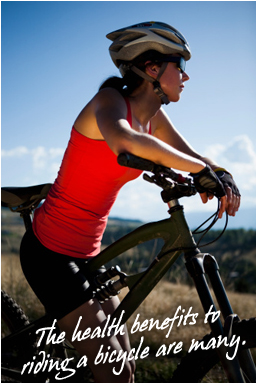
There is no doubt that riding a bicycle, may it be stationary or on a path, is an excellent form of exercise. For starters, it’s simple, easy on your joints and is great for people of all ages and all fitness levels. You can make it low or high impact, break a sweat or ride with ease, take it to the mountains, ride a road or bike inside. It can also help slow down the aging process and help you sleep more soundly at night.

Bike riding is one of the best cardiovascular workouts available. Those who ride regularly are at a decreased risk of diabetes, heart disease, high blood pressure and weight gain. It reduces stress, anxiety and depression, and depending on your intensity, can burn about 500-600 calories per hour.  Riding also improves your balance and flexibility, increases your endurance and stamina and your leg strength, and enhances your overall cardiovascular fitness level.

When it comes to riding outdoors, there are an assortment of bikes to choose from including road, mountain, BMX, hybrid and good old-fashioned casual. A road bike is great for long distance riding with its light frames, thin tires, curved handle bars and 10-20 gears. Mountain bikes are perfect for riding off the beaten path and are typically made with a light to medium heavy frame, knobby tires, a low straight handle and over 20 gears. BMX bikes are to ride all sorts of terrain, such as dirt, street, and ramps. They have a heavy-duty frame, thick knobby tires, raised handlebars and just one gear. Hybrid and casual bikes are a cross between road and mountain bikes with a medium frame, thin tires with small nubs, a straight handle bar and 0-24 gears. Both are perfect for riding leisurely.

There are three different types of stationary bikes when riding indoors: upright, recumbent and spin. The first two typically have numerous levels of resistance and various preset programs built right into the bike to personalize your workout at your fitness level. The biggest difference between the two is the seat. A recumbent bike places you in a reclining position with your legs straight out. This reduces strain on your spine. The upright and spin both sit like a traditional bicycle with the spin bike more true to road bike as it also allows you to clip into the pedals. Spin bikes are usually just available during spin classes where you will typically ride to heart pumping music and under the direction of a very motivating instructor for a hard but exhilarating indoor ride.

Bicycling is nearly a life-long activity. You can go solo, ride with family and friends or compete in an event.  Any way you choose, it’s a great way to get fit and stay healthy. So get out there, get moving and get riding!

Be Fit. Be Strong. Be Well.
Adriana

Share this:

  • Email a link to a friend (Opens in new window) Email
  • Share on Facebook (Opens in new window) Facebook
  • Share on LinkedIn (Opens in new window) LinkedIn
  • Share on Pinterest (Opens in new window) Pinterest
  • Share on Pocket (Opens in new window) Pocket
  • Share on Reddit (Opens in new window) Reddit
  • Share on X (Opens in new window) X
  • Share on Tumblr (Opens in new window) Tumblr
  • Print (Opens in new window) Print
Like Loading...

Crystal Clear Reasons to Stay Hydrated

21 Tuesday Jun 2011

Posted by Adriana Falco in Diet, Health and Wellness, Nutrition

≈ Leave a comment

Tags

Dehydration, Tinnitus

Most of last summer, I was experiencing ringing in my ears. When it started to occur more frequently, it triggered memories of how my ears use to ring as a child. Back then, I would plug my ears with my fingers for about a minute to stop the sound. But now when I tried that old trick, the ringing remained.

My ringing prompted me to schedule an appointment with an otolaryngologist, aka ear doctor. After a series of hearing tests, the doc said my hearing was just fine. What? I occasionally find myself asking others to repeat themselves as I didn’t catch what they just said. What about the ear ringing? I couldn’t imagine that, too! He gave me a script to help lessen the noise within my ears and off I went feeling a little disappointed I wasn’t diagnosed.

Late in the summer, during a hot day in Florida, the ringing had become a bit unbearable. I was at an attraction in Disney World when I called the otolaryngologist. I hadn’t been taken the medication (I don’t like taken pills) and needed to know what I could do in a pinch while out-of-town. I chatted with one of the nurses who I informed the ringing was especially worse after I finish a run. She asked me if I stay well hydrated, for if I don’t, it can cause ringing in the ears. Bingo!

The human body is 60 to 70% water. When a person doesn’t drink enough water, it can have negative effects on the body and the way it operates, like ear ringing. Not enough water is also the number one trigger of daytime fatigue. It can cause low blood pressure, heighten joint pain and trigger a rapid heart rate. Not enough fluids can also instigate a gain of excess body fat, poor muscle tone and a decreased ability to digest food.

A person may not notice if he or she is mildly to moderately dehydrated, but there are several red flags are tall-tell signs. Symptoms include, dry mouth, headaches, lightheadedness or dizziness, sunken eyes, muscle weakness or a dark yellow or amber colored urine.

Left untreated, dehydration can become more severe and opens a door to dangerous health complications, such as heatstroke, seizures, hypovolemic shock, cerebral edema (brain swelling), kidney failure, coma and even death.

The benefits of staying hydrated are plentiful … moisturizes your skin and air in your lungs, cleanses organs, removes toxins, helps maintain muscle tone, regulates body temperature, protects joints and is the adhesive that bonds cell architecture. Water also regulates body temperature, maintains your equilibrium and helps the liver break down and release more fat.

There are some added bonuses, too. Researchers have found drinking 5 glasses a day lessens the risk of developing breast cancer by 79%, bladder cancer by 50% and colon cancer by 45%. Six glasses of water a day can raise a resting metabolism by about 50 calories daily, enough to lose an extra five pounds in a year with little effort. Drinking 8-10 glasses can significantly reduce joint pain for up to 80% of sufferers.

So grab some water and drink up!

Be Fit. Be Strong. Be Well.
Adriana
Share this:

  • Email a link to a friend (Opens in new window) Email
  • Share on Facebook (Opens in new window) Facebook
  • Share on LinkedIn (Opens in new window) LinkedIn
  • Share on Pinterest (Opens in new window) Pinterest
  • Share on Pocket (Opens in new window) Pocket
  • Share on Reddit (Opens in new window) Reddit
  • Share on X (Opens in new window) X
  • Share on Tumblr (Opens in new window) Tumblr
  • Print (Opens in new window) Print
Like Loading...

Splish. Splash. Swimming is a Blast of a Workout.

07 Tuesday Jun 2011

Posted by Adriana Falco in Exercising, Sports, Swimming

≈ Leave a comment

Tags

Swimming

Ever since I was a child, I love to swim. Maybe it’s my Aquarius zodiac sign to blame, but regardless, I would swim every day if I lived in a hot climate year round or had a heated pool behind my house. But mainly due to my weekly schedule and all my other commitments, I only manage to get in two to three swims in a week on average. My preferred times to swim at the gym is at the crack of dawn or late in the evening. With goggles tightly wrapped, cap securely on and one ear plug in my left ear, I swim 30-40 laps nonstop, depending on my restlessness of swimming just laps in a single lane. I do have an underwater MP3 player, but have yet to use it.

Contrary to a popular belief, swimming is not great way to drop excess pounds. While you burn a good amount of calories while swimming, it isn’t as effective with the calorie burn with cardio activities on land. Swimming burns about three calories per mile per pound of bodyweight. So if you weigh 150 lbs. and it takes you 30 minutes to swim one mile, then you will be using approximately 900 calories in one hour. The serious swimmer easily achieves that or better, but the recreational swimmer typically does not swim at the speed, distance or duration so their calorie burn is significantly lower. Also, once you get of the pool, the calories stop burning unlike exercising at land when the increased calorie burn can continue up to 18 hours after your workout.

Nonetheless swimming is an excellent workout and is one of those exercises that, once learned, can be performed well into the late ages of life. The low impact exercise tones your entire body and provides an excellent cardiovascular workout with little strain. Regular swimming builds endurance and builds muscles. Swimming also strengthens your heart and improves the delivery of oxygen to your muscles. It can also better your blood pressure and help to lessen a chance of injury with the total body workout. There are psychological benefits as well, such as complete relaxation, stress reduction and a form of meditation. I love it so much because of the endorphin high I get during and afterward plus the overall toning and conditioning. There are no phones underwater, no interruptions, no pressure, no demands; just you and the clear blue water. Ah nirvana, at least for me.

For my swim workouts, I mainly swim freestyle, but sometimes will add the breast and back strokes to work other muscles. I often use swim paddles to strengthen my stoke mechanics, a kickboard to work my legs, and a pull buoy to push my upper body. I would also use training fins more regularly, as I love the quickness I gain through the water by using them, if it weren’t the muscle build I quickly gain with the added resistance. Whentraining for an upcoming triathlon, I will then do a lot of sprint work in the water to simulate what I will be doing in the first leg of a sprint tri.

In addition to swimming laps, one can participate in a water aerobics class, water walk or jog, or participate in a water yoga class and other options at a nearby gym or swim club. What is so great about swimming is that it exercises almost your entire body – heart, lungs, and muscles included – with very little joint strain. It is great for general fitness and it’s great for anyone at any age. So now that it’s summer and warmer weather has arrived, hopefully you will find an opportunity or two to get out there and splish splash about and make your own wonderful waves.

Be Fit. Be Strong. Be Well.
Adriana

Share this:

  • Email a link to a friend (Opens in new window) Email
  • Share on Facebook (Opens in new window) Facebook
  • Share on LinkedIn (Opens in new window) LinkedIn
  • Share on Pinterest (Opens in new window) Pinterest
  • Share on Pocket (Opens in new window) Pocket
  • Share on Reddit (Opens in new window) Reddit
  • Share on X (Opens in new window) X
  • Share on Tumblr (Opens in new window) Tumblr
  • Print (Opens in new window) Print
Like Loading...

Pilates: The Secret to an Amazing Body

06 Monday Jun 2011

Posted by Adriana Falco in Exercising, Pilates

≈ Leave a comment

Tags

Fletcher Pilates, Joseph Pilates, Pilates, Power Pilates, Romana Kryzanowska, Winsor Pilates

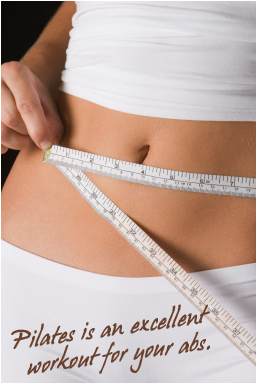
What do Drew Barrymore, Elizabeth Berkeley, Minnie Driver, Daisy Fuentes, Jasmine Guy, Jewel, Melanie Griffith, Meg Ryan, Sharon Stone, Marisa Tomei, Courtney Thorne-Smith, Dita Von Tees, Sarah Jessica Parker, Susan Lucci and Oprah Winfrey have in common with each other and 11 million people? They practice pilates, a mind-and-body approach of exercise system that was originally developed in Germany by a man named Joseph Pilates in the early 20th century. This form of popular exercise focuses primary on the core group muscles, toning and shaping the abdomen, legs, upper body and buttocks.

The perks of pilates are plentiful, including: longer, leaner muscles; improved postural problems; increased core strength, stability and peripheral mobility; better balance, strength and flexibility; ease on joints; improved performance in sports; heightened body awareness and enhanced coordination and circulation. Additional benefits include: flattened abs, improved posture, reduced back pain and injury prevention. An added bonus, it’s portable and can be customized to suit everyone from rehab patients to elite athletes.

Pilates was developed in Germany by Joseph Pilates in the early 20th century. In some respects, pilates is like yoga. The similarities include both are practiced on a mat, use mind-body type methods of movement and both emphasize deep breathing with smooth, long movements that enhance the mind-body experience. But while yoga moves from one static posture to the next, pilates flows through a series of movements with a focus on more resistance. There are also more preparatory exercises in pilates than yoga and modifications cater to many different body types and abilities with pilates, making it more applicable to everyday life.

While there are many follow-up forms to the original pilates, the following are the four major types that are practiced most.

Fletcher Pilates – This technique was developed by Ron Fletcher, a true master of movement who, after developing knee problems, sought treatment from Joseph Pilates. It was then that Fletcher became interested in the study of contrology and studied under both Joseph and Clara Pilates for over 20 years. Fletcher developed his own style of pilates, expanding on the breath work that Joseph Pilates encouraged, he developed structured breathing patterns that he calls percussive breathing. He also incorporated his modern dance background in combination with his training the pilates to further develop the body, mind, breath, spirit connection. While staying true to pilates’ origins, Fletcher also introduced innovative floor work, towel work and breathing techniques, creating an even more comprehensive movement experience.

Power Pilates – Power Pilates focuses on building strong muscles without needing to be flexible. It was developed in the early 1980’s by three master pilates teachers, Susan Moran, Bob Liekens and Phoebe Higgins, and chiropractor Dr. Howard Sichel. Suitable for all levels of fitness, this form of pilates is comprised of low impact exercise and usually requires the use of different pieces of equipment found in a pilates studo to properly perform its moves. To achieve maximum results, it is recommended that 12 to 36 hours worth of classes are taken every week.

Stott Pilates – Stott Pilates arose 20 years ago from an intense study of human anatomy and has been refined over the years to include the modern principles of exercise science and rehabilitation. Created by Moira and Lindsay G. Merrithew and a team of physical therapists, sports medicine and fitness professionals, it uses both traditional techniques and modern science to attempt to bring more healing power into exercise, especially with the spine. Performed on a mat or on reformer equipment, Stott Pilate’s primary concentrates on breathing, core conditioning and body awareness. It strengthens and tones your body without creating a bulky appearance or adding too much pressure to your joints. So popular and effective, this form of pilates is used by rehab and prenatal clients, athletes and celebrities.

Winsor Pilates – This is the form of pilates I practice. It is one of the more well-known styles, combining the traditional pilates concepts with body-sculpting movements. It was founded by Mari Winsor, a dancer, teacher, author and the foremost pilates instructor in the world. Developed over 20 years ago through intense training with Romana Kryzanowska (a pilates expert who trained with Joseph Pilates and took over his studio), the unique combination of controlled movements shapes and sculpts long, lean muscles. Countless of highly-visible bodies of musicians, professional athletes and celebrities train with Winsor in her Los Angeles studios to tone and strengthen their bodies. She also has a national following. Winsor has co-written three books on pilates, contributes to countless magazines and has sold more than 29 million DVDs on her pilates workouts.

Pilates exercises are an excellent way to stay fit. If the exercise routine is new to you, you are about to discover an exceptional fitness routine with the power to transform your body for the better. It is neither too expensive to learn, nor too labor intensive yet it is very effective. And it is one of those forms of exercises that anyone can reap its benefits, can practice daily and carry out into your longevity with very satisfying results.

Be Fit. Be Strong. Be Well.
Adriana

Share this:

  • Email a link to a friend (Opens in new window) Email
  • Share on Facebook (Opens in new window) Facebook
  • Share on LinkedIn (Opens in new window) LinkedIn
  • Share on Pinterest (Opens in new window) Pinterest
  • Share on Pocket (Opens in new window) Pocket
  • Share on Reddit (Opens in new window) Reddit
  • Share on X (Opens in new window) X
  • Share on Tumblr (Opens in new window) Tumblr
  • Print (Opens in new window) Print
Like Loading...
← Older posts
Newer posts →

Adriana Falco

  • About the Blogger
  • Healthcare Disclaimer

Like Us on Facebook

Like Us on Facebook

Enter your email address to subscribe to this blog and receive notifications of new posts by email.

Join 135 other subscribers

Recent Posts

  • Easy and Healthy Peanut Butter Dessert Recipes June 9, 2024
  • The Good, the Bad, and the Ugly Oils You Should Include and Not Include in Your Diet March 4, 2024
  • The Sweet Truth About Sweet Potatoes February 28, 2024
  • Unlocking the Decade Beyond 40: 10 Ways to Maximize Longevity and Well-being January 8, 2024
  • Navigating Holiday Eating December 12, 2023
  • The Statin Conundrum: Why Alcohol and Cholesterol Meds Don’t Mix November 27, 2023
  • Healthy and Scrumptious Desserts for the Upcoming Holiday Season November 20, 2023
  • The Tiny Powerhouse: Unveiling the Health Wonders of Chia Seeds November 13, 2023
  • Unraveling the Enigma: Understanding Frontotemporal Dementia (FTD) November 10, 2023
  • Yoga vs. Mat Pilates: Choosing the Right Path to Mind-Body Wellness November 3, 2023

Search Blog Topics

Categories

  • Abdominal Muscles
  • Anti-Aging
  • Book Review
  • Caffeine
  • Cardio
  • Cycling
  • Diet
  • Exercising
  • Fitness Classes
  • Golf
  • Health and Wellness
  • Healthy Getaway
  • Hearth Health
  • Hiking
  • Metabolism
  • Muscles
  • New Year's Resolutions
  • Nutrients
  • Nutrition
  • Pain Management
  • pain relief
  • Paleo
  • Personal Trainer
  • Pickleball
  • Pilates
  • Recipes
  • Running
  • Setting Goals
  • Skiing
  • Skincare
  • Sleep
  • Sports
  • Superfoods
  • Swimming
  • Top 10 Lists
  • Training
  • Uncategorized
  • Vitamins
  • Weight Training
  • Yoga

Fit Past 40 Archives

Follow @ FitnFun

Tweets by fitnfun

Recent Tags

Abdominal exercise Aerobic exercise American Heart Association Bananas Blueberry Breakfast Caffeine Cardio Caveman Diet Cellulite Chocolate Connective tissue Cookies Dark Chocolate Dehydration diet Dieting DVD Eating Clean Energy Bars Energy Drinks Exercises exercising fast twitch muscle fiber Fat Fat Flush Plan Fitness fitness over 40 fitness past 40 Gym Health Healthy Choices Healthy Desserts healthy living Heart Health Hiking holiday eating Metabolism mindless eating Muscle New Year’s resolutions Nutrition pain relief Paleo Pancakes Peanut butter Personal trainer Personal Training Physical exercise Physical fitness Pickleball Pilate Pilates Pumpkin Recipes Riding Horses Running Running Outdoors Setting Goals Ski Skiing Spaghetti Squash sport Sports Strength training Sweet Potatoes Tennis Travel Weight loss Weight training Wellness Winter Blues Yoga Zucchini Zumba

Archives

Adriana Falco

  • About the Blogger
  • Healthcare Disclaimer

Like Us on Facebook

Like Us on Facebook

Enter your email address to subscribe to this blog and receive notifications of new posts by email.

Join 135 other subscribers

Recent Posts

  • Easy and Healthy Peanut Butter Dessert Recipes June 9, 2024
  • The Good, the Bad, and the Ugly Oils You Should Include and Not Include in Your Diet March 4, 2024
  • The Sweet Truth About Sweet Potatoes February 28, 2024
  • Unlocking the Decade Beyond 40: 10 Ways to Maximize Longevity and Well-being January 8, 2024
  • Navigating Holiday Eating December 12, 2023
  • The Statin Conundrum: Why Alcohol and Cholesterol Meds Don’t Mix November 27, 2023
  • Healthy and Scrumptious Desserts for the Upcoming Holiday Season November 20, 2023
  • The Tiny Powerhouse: Unveiling the Health Wonders of Chia Seeds November 13, 2023
  • Unraveling the Enigma: Understanding Frontotemporal Dementia (FTD) November 10, 2023
  • Yoga vs. Mat Pilates: Choosing the Right Path to Mind-Body Wellness November 3, 2023

Search Blog Topics

Categories

  • Abdominal Muscles
  • Anti-Aging
  • Book Review
  • Caffeine
  • Cardio
  • Cycling
  • Diet
  • Exercising
  • Fitness Classes
  • Golf
  • Health and Wellness
  • Healthy Getaway
  • Hearth Health
  • Hiking
  • Metabolism
  • Muscles
  • New Year's Resolutions
  • Nutrients
  • Nutrition
  • Pain Management
  • pain relief
  • Paleo
  • Personal Trainer
  • Pickleball
  • Pilates
  • Recipes
  • Running
  • Setting Goals
  • Skiing
  • Skincare
  • Sleep
  • Sports
  • Superfoods
  • Swimming
  • Top 10 Lists
  • Training
  • Uncategorized
  • Vitamins
  • Weight Training
  • Yoga

Fit Past 40 Archives

Follow @ FitnFun

Tweets by fitnfun

Recent Tags

Abdominal exercise Aerobic exercise American Heart Association Bananas Blueberry Breakfast Caffeine Cardio Caveman Diet Cellulite Chocolate Connective tissue Cookies Dark Chocolate Dehydration diet Dieting DVD Eating Clean Energy Bars Energy Drinks Exercises exercising fast twitch muscle fiber Fat Fat Flush Plan Fitness fitness over 40 fitness past 40 Gym Health Healthy Choices Healthy Desserts healthy living Heart Health Hiking holiday eating Metabolism mindless eating Muscle New Year’s resolutions Nutrition pain relief Paleo Pancakes Peanut butter Personal trainer Personal Training Physical exercise Physical fitness Pickleball Pilate Pilates Pumpkin Recipes Riding Horses Running Running Outdoors Setting Goals Ski Skiing Spaghetti Squash sport Sports Strength training Sweet Potatoes Tennis Travel Weight loss Weight training Wellness Winter Blues Yoga Zucchini Zumba

Archives

Create a free website or blog at WordPress.com.

Privacy & Cookies: This site uses cookies. By continuing to use this website, you agree to their use.
To find out more, including how to control cookies, see here: Cookie Policy
  • Subscribe Subscribed
    • Fit Past 40 Blog
    • Join 86 other subscribers
    • Already have a WordPress.com account? Log in now.
    • Fit Past 40 Blog
    • Subscribe Subscribed
    • Sign up
    • Log in
    • Report this content
    • View site in Reader
    • Manage subscriptions
    • Collapse this bar
 

Loading Comments...
 

    %d