“Cooking for yourself is the only sure way to take back control of your diet.” — Michael Pollan
In the world of nutrition, oils play a crucial role in our daily dietary intake. They provide essential fatty acids, vitamins, and energy necessary for bodily functions. However, not all oils are created equal. Some offer significant health benefits, while others may have adverse effects on health. In this article, we’ll explore a variety of oils, categorizing them into the good, the bad, and the ugly, to help you make informed decisions about incorporating them into your diet.
The Good Oils
Extra Virgin Olive Oil: Celebrated for its heart-healthy monounsaturated fats and potent antioxidants, extra virgin olive oil is a cornerstone of the Mediterranean diet. It boasts anti-inflammatory properties and is associated with reduced risk of heart disease and certain cancers.
Avocado Oil: Rich in monounsaturated fats and vitamin E, avocado oil is known for its positive impact on heart health. It has a high smoke point, making it suitable for cooking at high temperatures.
Flaxseed Oil: A rich source of alpha-linolenic acid (ALA), a type of omega-3 fatty acid, flaxseed oil is beneficial for heart health and may help reduce inflammation in the body.
Walnut Oil: Another source of omega-3 fatty acids, walnut oil offers heart-healthy benefits and can be used in salad dressings and dips to add a nutty flavor.
Sesame Oil: Widely used in Asian cuisine, sesame oil contains antioxidants and healthy fats that may help lower blood pressure and cholesterol levels.
The Neutral Oils
Canola Oil: Low in saturated fat and high in monounsaturated fats, canola oil is a versatile cooking oil with a neutral flavor. It’s suitable for baking, sautéing, and salad dressings.
Peanut Oil: With its high smoke point, peanut oil is commonly used in deep frying and stir-frying. While it contains some monounsaturated fats, it’s important to use it in moderation due to its calorie density.
Sunflower Oil: Sunflower oil is rich in vitamin E and low in saturated fat. It’s suitable for cooking and baking but should be used in moderation due to its omega-6 fatty acid content.
The Bad Oils
Safflower Oil: While safflower oil is low in saturated fat, it’s high in omega-6 fatty acids. Consuming too much omega-6 fatty acids relative to omega-3s can promote inflammation in the body.
Vegetable Oil: Often a blend of different oils like soybean, corn, and canola oils, vegetable oil is high in omega-6 fatty acids and may contribute to inflammation when consumed in excess.
The Ugly Oils
Grapeseed Oil: While grapeseed oil has a high smoke point and is suitable for high-heat cooking, it lacks significant health benefits compared to other oils like olive or avocado oil.
Regular Olive Oil: Often labeled as “light” or “pure,” regular olive oil undergoes more processing than extra virgin olive oil and may lack some of the beneficial compounds found in extra virgin olive oil.
Selecting the right oils for your diet is essential for maintaining optimal health. Incorporating oils rich in monounsaturated and polyunsaturated fats can provide numerous health benefits. Also, reading the listed oils on ingredient labels before purchasing food at the grocery store is an important habit for maintaining a healthy diet and avoiding potential harmful oils. Similarly, when dining out, asking waiters about the oils used in dishes can help individuals avoid potential health risks.
Making informed choices about the oils consumed can help contribute to your health and well-being for years to come.
“Sweet potatoes are the world’s healthiest food.” — Dr. Mehmet Oz
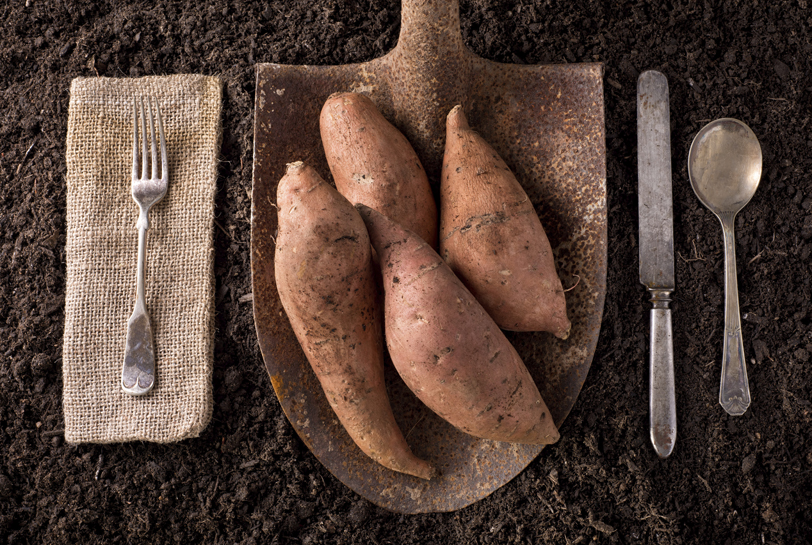
Sweet potatoes, with their vibrant hues and sweet, earthy flavor, have long been cherished as a staple in kitchens worldwide. From comforting classics to innovative culinary creations, the humble sweet potato has emerged as a superfood and continues to captivate our taste buds and inspire culinary adventures.
Sweet Beginnings
The history of sweet potatoes traces back thousands of years. Believed to have originated in Central and South America, the orange-colored vegetable was first cultivated as early as 2500 BC by pre-Columbian civilizations such as the Incas and the Aztecs. In the 16th century, the Spanish explorers discovered the vegetable when traveling the Americas and named the “sweet potato” for its sweet taste and similarity to the potato consumed in Europe.
Sweet potatoes, also known as Ipomoea batatas, have since found their way into diverse cuisines and cultures, each adding its own unique twist to traditional dishes. From the sweet potato pie and sweet potato pie baked in the U.S. to Japan’s indulgent daigaku imo and India’s shakarkandi chaat, sweet potatoes play a starring role in a rich tapestry of global culinary traditions.
Yet, the name sweet “potato” can be misleading, as sweet potatoes are not related to regular potatoes. They belong to an entirely different botanical family altogether— the morning glory family, Convolvulaceae—and differ in appearance, taste, and nutrition.
Nutritional Powerhouse
Beyond their delicious taste and vibrant colors, sweet potatoes boast an impressive array of health benefits. Packed with vitamins, minerals, and dietary fiber, they are a nutritional powerhouse that supports overall well-being. Here are some reasons why sweet potatoes are regarded as a superfood.
Rich in Nutrients: Sweet potatoes are packed with essential vitamins and minerals including vitamin A, an essential for maintaining healthy vision and supporting immune function. In fact, one medium-sized sweet potato contains 400% of your daily recommended intake of vitamin A! They also provide vitamin C, potassium, and antioxidants, helping to combat inflammation and promote heart health, and are a good source of antioxidants, such as beta-carotene, which can help protect cells from damage caused by free radicals.
High in Fiber: High in dietary fiber, sweet potatoes can help keep your digestive system healthy, promote regular bowel movements, prevent constipation, and support overall gut health.
Low Glycemic Index: Despite their natural sweetness, sweet potatoes have a relatively low glycemic index (GI). This means they are less likely to cause a rapid spike in blood sugar levels compared to other starchy foods. Sweet potatoes can be a suitable option for individuals managing blood sugar levels or diabetes.
Versatile and Delicious: Sweet potatoes can be prepared and enjoyed in a variety of ways, making them a versatile ingredient in both savory and sweet dishes. From roasted sweet potato fries to mashed sweet potatoes to sweet potato pie, there are countless delicious recipes that feature this nutritious vegetable.
Promotes Eye Health: Sweet potatoes are an excellent source of beta-carotene, which is converted to vitamin A in the body. Vitamin A is essential for maintaining healthy vision, as it supports the function of the retina and helps prevent conditions like night blindness and age-related macular degeneration.
Supports Immune Function: The vitamin C content in sweet potatoes helps support the immune system and promotes the body’s ability to fight off infections and illnesses.
Daily Diet
One of the most appealing qualities of sweet potatoes is their versatility in adding them to your meals. Whether roasted, mashed, baked, or fried, incorporating sweet potatoes into your daily diet is not only delicious but also a simple way to elevate your nutrition and culinary experiences.
For a savory twist, try roasting sweet potato wedges with a sprinkle of smoked paprika and sea salt for a satisfying snack or side dish. Or, whip up a creamy sweet potato soup infused with warming spices like ginger and turmeric for a comforting meal on chilly evenings. Here are a few more simple ideas.
Roasted sweet potato fries: Cut sweet potatoes into thin fries and roast in the oven or in an air fryer with a little bit of oil and seasoning for a healthy alternative to regular French fries.
Sweet potato mash: Boil sweet potatoes until tender, then mash them with a little bit of butter, salt, and pepper for a delicious side dish.
Sweet potato toast: Slice sweet potatoes lengthwise and toast in a toaster or in the oven. Top with your favorite toppings.
Sweet potatoes also shine in sweet treats and desserts. Indulge in a slice of decadent sweet potato pie, fragrant with cinnamon and nutmeg, or savor the delicate sweetness of a Japanese-style sweet potato mochi.
So, whether you’re savoring a steaming bowl of sweet potato curry or indulging in a slice of sweet potato pie, take a moment to appreciate the magic of this extraordinary vegetable. Embrace the sweet goodness of sweet potatoes and let them inspire you to create delicious memories and culinary masterpieces, one bite at a time, and reap their nutritional benefits and fuel your body with wholesome goodness.
“Beautiful young people are accidents of nature, but beautiful old people are works of art.” — Eleanor Roosevelt
As we age, it is often not until then that many of us start to become more self-conscious about our health, wellness, and longevity as we look in the mirror and may feel like we are not able to do the same things or feel the same as our younger years.
Luckily, in a time where people are living longer, aging well involves making smart choices, being proactive, and navigating health risks. Genetics clearly play a role, but lifestyle decisions can impact and be a significant role in prevention, management, and ideally maximizing the quality of life regarding health and wellness.
Living Longer
Just a short century ago, life expectancy was closer to 54. But today, people are living longer with many living past the age of 90. Legendary celebrities well into their 90s and still going strong include 92-year-old William Shatner, 93-year-old Clint Eastwood, 95-year-old Ruth Westheimer (aka “Dr. Ruth”), and 98-year-old Dick Van Dyke.
In 2021, there were 89,739 centenarians living in the US, nearly twice as many as 20 years ago, per the Population Division of the United Nations. Per Guinness World Records, Californian Maria Branyas is currently 116-years-old (b. March 4, 1907) and took the title of the world’s oldest verified living person earlier in 2023 after the passing of Sister André, a French supercentenarian who lived to 118 years and 340 days.
What about Dan Buettner’s “The Blue Zones”? His book published years ago, and the movie version was recently on Netflix earlier this year. Is there truth in the various methodologies and secrets from those becoming centenarians around the globe who live in the so-called “blue zones”– from how they live, what they eat, their exercise habits, and ways coping with stress?
10 Pillars to Healthy Aging
As the years unfold beyond age 40, the question remains, ‘How can I extend my lifespan and gracefully age and navigate the later years?’
Below are 10 major pillars to keep in mind for healthy aging—nutrition, diet, alcohol and drugs, hormone health, specialists, risk monitoring, exercise, mental stimulation, sleep, and stress—to maximize longevity and well-being. Always consult with your physician and dietitian when making changes to your daily health and diet regimen.
We are what we eat so always be certain to know what is in the platter you just ordered in the restaurant and what ingredients are in that box of cereal you are pulling off the grocery shelf. Reading labels and knowing what you are putting in your mouth is very important as many keep one eye shut when indulging.
The time is now if you don’t already aware you are exactly digesting as it’s never too late to discover the power of nutrition and the impact and healing power it has on your mind and body. Below is just a snippet on nutrition as we age. B vitamins, magnesium, vitamin D, and protein are essential nutrients to elevate brain health, support muscle vitality, and promote graceful aging. There are many more.
B Vitamins: Dive into the research-backed benefits of B vitamins, addressing cardiovascular and neurological conditions. Incorporate sources like meat, dairy, seafood, leafy greens, and whole grains, or explore B complex vitamin supplements.
Magnesium:Combat the challenges of magnesium absorption as you age. Explore magnesium-rich foods like spinach, avocado, dark chocolate, beans, and nuts. Consult with your physician if magnesium deficiency concerns arise.
Vitamin D:Uncover the potential of vitamin D in addressing age-related health concerns. Embrace fortified foods like milk or mushrooms and discuss supplementation options with your healthcare provider.
Protein:Navigate muscle mass decline with optimal protein intake. Aim for 1.2–2.0 grams per kilogram of body weight daily to support your body’s evolving needs.
As mentioned above, consult with your physician or dietitian to create a plan that supports overall health and addresses specific conditions. This could involve incorporating new nutrient-rich foods into your daily diet and avoiding those that may exacerbate a condition.
One of the cornerstones of a healthy life beyond 40 is a well-balanced and personalized diet. Consider a diet that is right for you—Atkins, keto, Mediterranean, paleo, intermittent fasting, and others—and a diet that aligns with your health conditions or risks. Whether it’s high blood pressure, diabetes, or heart disease, your diet plays a crucial role.
Also, if you don’t already, consider eating “in” more than eating “out.” Restaurants can easily hide unhealthy fats, high amounts of sodium and seasonings, and other hidden ingredients that you would otherwise avoid when cooking at home.
High Blood Pressure: If you’re at risk of or dealing with high blood pressure, focus on a diet rich in potassium, magnesium, and fiber. Cut back on sodium and processed foods. Consult with your healthcare team to find the right balance for you.
Diabetes: For those with diabetes or at risk, prioritize complex carbohydrates, fiber, and lean proteins. Monitor your carbohydrate intake and consider the glycemic index of foods. Work closely with your healthcare team to manage your blood sugar levels effectively.
Heart Disease: A heart-healthy diet includes plenty of fruits, vegetables, whole grains, and lean proteins. Limit saturated and trans fats, cholesterol, and sodium. Collaborate with your healthcare provider to build a diet that promotes heart health.
Remember, your dietary choices are a powerful tool in shaping your health. Consultation with your physician or dietitian ensures a personalized approach that aligns with your unique needs. Let your diet be a source of nourishment, vitality, and resilience as you navigate the years beyond 40.
As you journey through life past 40, understanding the impact of alcohol and drugs on your health becomes increasingly vital. While moderation might have been a more lenient guide in younger years, the consequences of substance use can significantly affect overall well-being as you age.
Moderation is key when it comes to alcohol consumption. Aging bodies metabolize alcohol differently, leading to increased sensitivity and potential health risks. Excessive alcohol intake can exacerbate conditions like high blood pressure, liver disease, and weaken the immune system.
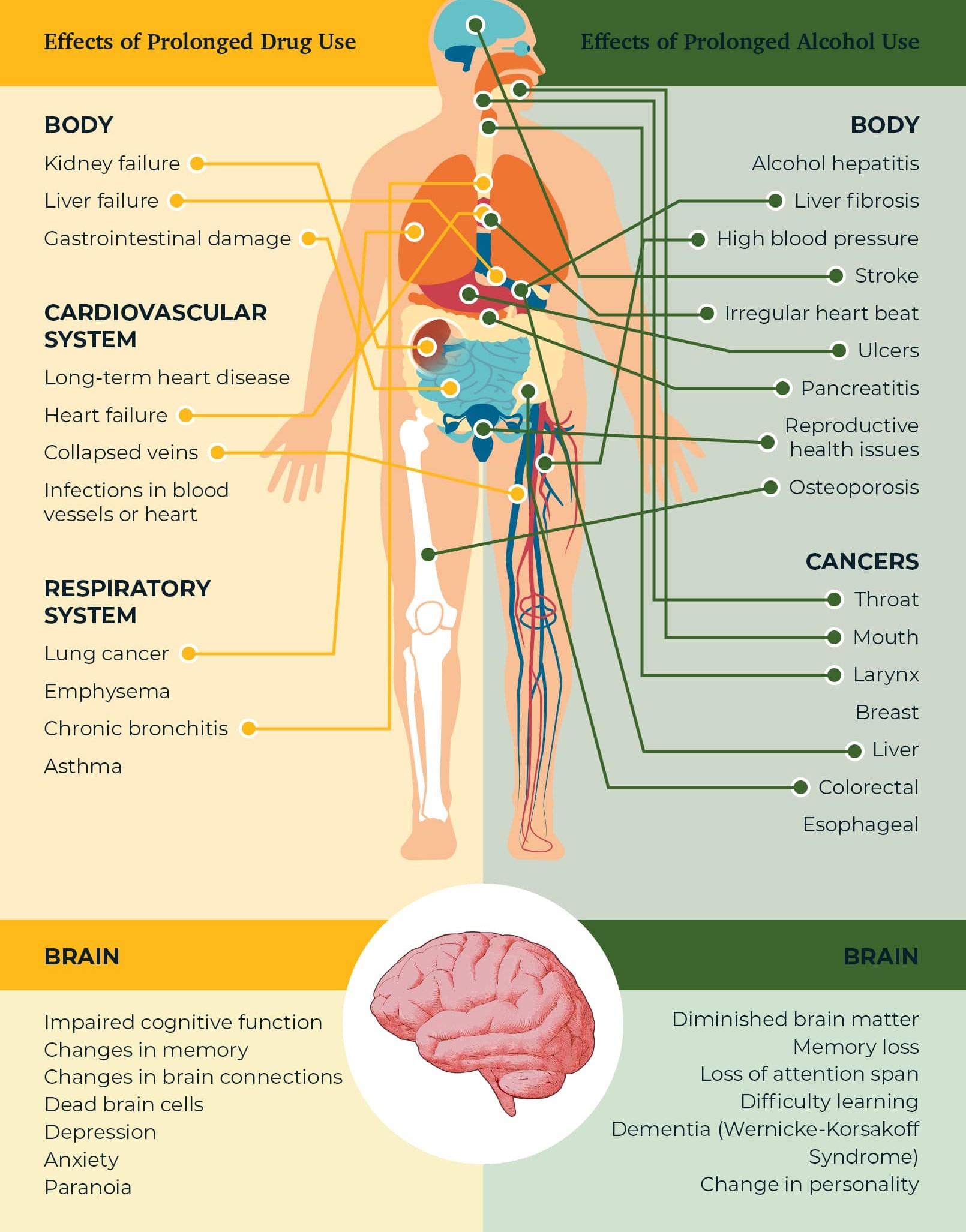
Prolonged and excessive alcohol consumption can indeed harm brain cells. Chronic alcohol use disrupts neurotransmitters, damages brain cells, and impairs communication between neurons. This interference with brain function can lead to memory problems, decreased cognitive abilities, and even contribute to conditions like Wernicke-Korsakoff syndrome, characterized by severe memory loss.
The effects of drugs, whether prescription or recreational, can magnify with age. It is crucial to adhere strictly to prescribed medications and avoid recreational drugs. Drug interactions, reduced metabolism, and increased susceptibility to side effects pose greater risks as you age.
Alcohol and drug misuse can have a profound impact on physical health. They may exacerbate existing health conditions such as cardiovascular disease, liver disorders, and weaken the body’s ability to recover from illness or injury. Substance misuse can impair cognitive function and exacerbate age-related cognitive decline. Long-term alcohol abuse, for instance, can lead to memory problems and impairments in decision-making abilities.
Excessive alcohol consumption and drug use can exacerbate mental health issues such as anxiety and depression. They might also interfere with medications prescribed for mental health conditions. Additionally, alcohol and certain drugs can interact with prescribed medications, reducing their efficacy or causing adverse reactions. Always consult healthcare professionals to understand potential interactions and risks.
For those who choose to drink alcohol, be aware of the recommended limits and consider the impact of alcohol on your health. It is crucial to be mindful of the potential risks associated with drug use and seek guidance from healthcare providers for any concerns.
Long-term health effects of prolonged drug and alcohol use: Wyoming Recovery.
As you embrace life beyond 40, skincare continues to be a very important of your daily care regimen. Aging brings forth changes in skin texture, elasticity, and moisture retention. Collagen and elastin production slow down, leading to fine lines, wrinkles, and sagging. Environmental factors, lifestyle choices, and genetics further impact your skin’s health.
Aging gracefully will involve your conscious decision to nurture your body from within and caring for the outer shell that mirrors your vitality. Afterall, our skin is your body’s largest organ, requiring ongoing tailored attention and nourishment.
Tailored Skincare Regimens: Crafting a personalized skincare routine becomes paramount. Consult with dermatologists or skincare specialists to curate a regimen that addresses your skin’s unique needs. Focus on gentle cleansing, hydration, protection from UV rays, and targeted treatments to address specific concerns like age spots or uneven tone. For the women, I use Meaningful Beauty and love the results. I also apply a retinol.
Hydration and Moisture: Maintaining skin hydration becomes essential. Opt for hydrating serums, moisturizers, and products containing hyaluronic acid or glycerin to replenish moisture and enhance skin elasticity.
Sun Protection: Always shield your skin from harmful UV rays. Incorporate broad-spectrum sunscreen with at least SPF 30 into your daily routine to prevent premature aging, sunspots, and skin damage. Wear a hat and sunglasses and wear UV protective clothing if you plan to be outdoors in the sun for an extended period.
Targeted Treatments: Consider specialized treatments like retinoids, antioxidants, or peptides to stimulate collagen production, minimize fine lines, and improve skin texture. These targeted interventions aid in preserving youthful radiance and skin resilience.
Lifestyle Impact: A healthy lifestyle—nutrition, hydration, exercise, and ample sleep—directly influences skin health. Adequate hydration and a balanced diet rich in antioxidants, vitamins, and omega-3 fatty acids support skin vitality.
Self-care Rituals: Beyond skincare products, integrate self-care rituals into your routine. Stress management, mindfulness practices, and adequate rest contribute to overall skin health and radiance.
By embracing a dedicated skincare approach, you nurture not only your skin but also your well-being. Let skincare be a celebration of self-care—a testament to the beauty that resonates from within as you navigate the journey of graceful aging beyond 40.
As life unfolds beyond the age of 40, managing stress becomes pivotal for overall health and well-being. Stress, if left unchecked, can exert a profound impact on physical health, mental well-being, and the ability to navigate the challenges of aging gracefully. Understanding its effects and adopting effective strategies to alleviate stress is essential for a fulfilling life journey.
Chronic stress can take a toll on the body and mind. It contributes to elevated blood pressure, weakens the immune system, and increases the risk of cardiovascular diseases. Stress also impacts the brain and mental health, leading to anxiety, depression, and cognitive decline over time.
Listed below are a few ways to relieve stress:
Get a daily dose of fresh air. Being outside can increase the oxygen levels in your brain, which boosts serotonin levels.
Find release through exercise. Exercise is a powerful stress reducer, releasing endorphins that elevate mood and reduce stress hormones.
Maintain a healthy diet. A healthy diet provides nutrients to properly cope with difficult emotions. Eat a balanced diet that includes fruits, vegetables, and lean protein.
Get a good night’s rest. Getting more sleep is a top recommendation by the American Psychological Association for decreasing anxiety.
Mind over matter. Your mind is a powerful thing. Incorporate mindfulness thinking into your daily routine and when placed in stressful situations.
Detox your life. If possible, distance yourself or remove causes of stress. Establish boundaries. Learn to say no when necessary and delegate tasks.
Build a support system. Sharing feelings and experiences can offer comfort, advice, and different perspectives, reducing feelings of isolation and stress
Seek professional help: If stress becomes overwhelming or persistent, seek guidance from healthcare professionals or therapists.
Recognizing the impact of stress on health and adopting proactive measures to mitigate its effects fosters not only physical resilience but also emotional and mental well-being. Prioritize stress reduction as an essential component of your journey beyond 40, allowing yourself the gift of a balanced and fulfilling life.
Assembling a proactive care team beyond your primary care physician becomes paramount for nurturing comprehensive health and well-being. Integrating specialists into your healthcare regimen allows for a multifaceted approach, addressing specific concerns and aiding in the proactive management of potential health risks as you embrace life past 40.
Tailor your approach based on personal and family history. You need to be your own self advocate when it comes to your health. Physicians you may want to consider placing on your preventive care time may include a cardiologist, endocrinologist, dermatologist, cardiologist, gynecologist, urologist, ophthalmologist, dentist, gastroenterologist, rheumatologist, and others.
By incorporating specialists into your care team, you empower yourself with tailored guidance, screenings, and interventions specific to various aspects of health. This proactive approach fosters early detection, timely interventions, and a comprehensive strategy to promote holistic health and well-being as you navigate life beyond 40.
Regular screenings and preventive tests are essential components of proactive health care beyond 40. Early detection through screenings allows for timely interventions, potentially preventing the progression of diseases or identifying health issues in their nascent stages when treatment is most effective. The “new” may be as simple as including bloodwork or multiple tests based on your genetic makeup, family history, and lifestyle.
A short list of available preventive tests:
Bone Density Scans: Assess bone health and risk of osteoporosis
Calcium Score Tests: Evaluates coronary artery calcification, aiding in the assessment of heart disease risk
Colonoscopies: Detects colorectal cancer or precancerous polyps and facilitates early intervention of colorectal cancer
Mammograms and Pap Smears: aids in early detection of breast cancer and cervical abnormalities for women
Prostate-Specific Antigen (PSA) Tests: Assists in detecting potential issues for men
Thyroid Function Tests: Evaluate thyroid hormone levels and detect thyroid disorders
Skin Cancer Screenings: Assists in identifying potential skin cancers or abnormalities
The below infographic illustrates further tests but does not represent a complete list of all available health screenings and is an approximate timeframe. The age and frequency of screenings can change based on your own personal health risks and family history. Always talk to your physician to determine which tests are right for you.
Being proactive is critical. By staying vigilant with risk monitoring and adhering to recommended screenings, individuals can proactively safeguard their health, mitigate risks, and enhance the prospects of a healthier, more fulfilling life beyond 40.
Prioritizing exercise as a regular part of life beyond 40 not only nurtures physical strength and resilience but also fosters mental clarity, emotional well-being, and a longer, more vibrant life. It is a gift to yourself—a commitment to health, vitality, and the pursuit of a fulfilling journey through the years.
Exercise boosts metabolism, aiding in better digestion, nutrient absorption, and energy expenditure. Regular exercise also strengthens the heart muscle, improves circulation, and lowers the risk of cardiovascular diseases such as heart attacks and strokes. Physical activity aids in weight management by burning calories and preserving muscle mass. This helps in controlling weight gain and maintaining a healthy body composition. Weight-bearing exercises like walking or weightlifting contribute to bone density, reducing the risk of osteoporosis and fractures.
Mentally and emotionally, regular exercising supports brain health and enhances cognitive function, reduces anxiety and depression, facilitates deeper and more restorative sleep, contributing to overall well-being.
You don’t need to run marathons and hit the gym seven days a week. Even just short, intense bouts of exercise can make a significant impact. Find activities you enjoy and make them a habit then witness the transformative effects on your overall well-being.
Whether it’s a brisk walk, a yoga class, refreshing swim, or strength training, find what suits you best and try to stay active at least 30 minutes a day with your various choices. Change your selections as the seasons change and allow exercise to be a cornerstone of your journey to a vibrant life beyond 40.
Amid the journey beyond 40, mental stimulation emerges as a key element in preserving cognitive vitality and fostering a youthful mind. Engaging your brain in stimulating activities is akin to nurturing a timeless treasure—keeping your mental faculties sharp and adaptive.
Here are a few ways to sustain brilliance as you age:
Continuous Learning: Challenge your mind with novel pursuits. Consider enrolling in online or onsite classes, learning a new language, or exploring topics that intrigue you. Continuous learning stimulates neural connections, enhancing cognitive agility and creativity.
Intellectual Hobbies: Pursue hobbies that engage your intellect. Reading, solving puzzles, playing strategy games, or engaging in arts and crafts not only entertain but also bolster cognitive reserves and problem-solving abilities.
Social Engagement: Interacting with others stimulates the brain. Engage in social activities, join clubs, have lunch with friends, or participate in group discussions. Social engagement sharpens communication skills, fosters empathy, and stimulates various regions of the brain.
Mindfulness and Meditation: Practicing mindfulness and meditation fosters mental clarity and resilience. These practices will relax you, reduce stress, improve concentration, and cultivate a calm and focused mind, enhancing overall brain health.
By actively engaging your mind through diverse and intellectually stimulating activities, you preserve cognitive agility and foster resilience against age-related decline. Embrace these strategies as tools to nurture a youthful mind and relish the timeless brilliance that accompanies you on the path beyond 40.
Sleeping is vital. It not only repairs your body overnight but consolidates your memory and enhances your cognitive performance for the next day. Experts recommend that adults age 40 to sleep between 7 to 9 hours a night.
Adults who sleep less than seven hours a night may have more health issues than those who sleep seven or more hours a night. One of three Americans have a sleep deficit, per the US Centers for Disease Control and Prevention. You don’t want to be one of them as the quantity and quality of sleep is a non-negotiable aspect of a healthy and prolonged life.
In a study as part of the National Health Interview Survey by the CDC and the National Center for Health Statistics involving around 172,000 people who answered sleep questionnaires between 2013 and 2018, those with the highest quality sleep measures live significantly longer.
How? By establishing a regular sleep routine, reducing caffeine and alcohol intake, and unplugging from devices an hour before bedtime are simple yet powerful practices to enhance your sleep quality, which have proven to add nearly five years to a man’s life expectancy and almost 2.5 years to a woman’s life.
Let sleep be your ally in the pursuit of a longer and more fulfilling life beyond 40. Prioritize deep and restorative sleep as they contribute not only to physical rejuvenation but also to cognitive vitality. Establish a consistent sleep routine, your limit caffeine and alcohol intake, and power down electronic devices an hour before bedtime.
The seven side effects of sleep deficiency. Source: Vanderbilt Health.
Summary
The above outlines 10 key pillars for healthy aging, covering nutrition, diet, alcohol and drug moderation, skincare, stress management, specialized care teams, regular screenings, exercise, mental stimulation, and quality sleep. Each pillar advocates for personalized approaches and highlights the significance of consulting healthcare professionals for tailored guidance, underscoring the importance of informed decisions in promoting a longer, more fulfilling life beyond the age of 40.
Hence, the most important takeaway is consulting with your healthcare professionals for personalized advice and interventions tailored to your needs and health conditions as you age. Be proactive. Become knowledge. Build your roadmap.
Pain is a common sensation experienced by many people, and it can range from mild discomfort to severe agony. Over-the-counter pain relievers like ibuprofen, acetaminophen, and aspirin are readily available and can be effective in treating mild to moderate pain. Heat and ice may also be applied to relive or reduce pain and so can soaking in magnesium or Epsom salts.
However, some individuals may experience chronic pain that requires additional relief and want to avoid taking prescribed pain meds. One potential option to consider is caffeine, a naturally occurring stimulant found in a variety of sources such as coffee, tea, energy drinks, and dark chocolate, which has been linked to reduce the risk of heart disease, stroke, and certain types of cancer. In addition to this and its well-known effects on one’s energy and endurance, caffeine also has surprising pain-relieving properties and may be a key staple to your pain management treatment plan.
I stumbled upon this discovery to caffeine as a pain reliever personally after finishing an ultra-marathon and continuing to eat one to two packets of Clif black cherry energy blok chews a day, which contains 50 milligrams of caffeine per 2.1-ounce packet. As a non-coffee and non-tea drinker, it was great boost for my morning runs and the perfect lift in the afternoons before an afternoon athletic activity. At the same time, I noticed my longstanding leg and back pain that I had leading up to that race had disappeared post-race and I didn’t know what to contribute as the reason. I had stopped physical therapy and not added any other pain relief treatment. It wasn’t until I stopped taking the energy bloks that the pain soon returned thereafter is when I made the dotted line connection and did some research.
How Caffeine Relieves Pain
It turns out that caffeine has been shown in studies to have pain-relieving effects by blocking adenosine receptors in the brain. Who knew? Adenosine is a chemical that plays a role in promoting sleep and suppressing arousal, and it is also involved in the regulation of pain. When caffeine blocks adenosine receptors, it can reduce the perception of pain.
All of this was quite a surprise finding for me. As a person and athlete who has had my fair share of injuries that have caused pain over the years, my treating healthcare providers and physical therapists have only suggested pain prescriptions (which I always turned down), physical therapy (a hit-or-miss), and sometimes injections (also a hit-or-miss) but never suggested to add caffeinated foods to my daily diet. This, I had to discover on my own.
Caffeine can also enhance and boost the effects of other pain-relieving medications. A study published in The Journal of Pain found that combining caffeine with acetaminophen (the active ingredient in Tylenol) resulted in a more significant reduction in pain compared to acetaminophen alone.
“The involvement of caffeine in pain management has gotten minimal attention in the past, but it is getting more attention now,” wrote Sri Harsha Boppana, Michael Peterson, Austin Du, Simhachalam Kutikuppala, and Rodney Gabriel in the published Caffeine: What Is Its Role in Pain Medicine?, a medical article written with the purpose to clarify the role of caffeine as a pain reliever and to stimulate the interest of researchers like myself.
Safe Daily Intake of Caffeine
While caffeine has benefits like improved mental alertness, enhanced physical performance, reduced risk of certain diseases and pain relief, it is essential to consume caffeine in moderation. It is important to follow the recommended daily intake of caffeine based on your age, gender, and individual tolerance, which is usually specified on the packaging.
The Mayo Clinic suggests that most adults can safely consume up to 400 milligrams of caffeine per day, which is roughly the amount found in four 8-ounce cups of coffee. Studies have found 100 to 130 milligrams of caffeine added to drugs, such as ibuprofen or paracetamol, is a safe and effective dose. If you are consuming caffeinated beverages to alleviate pain, it is recommended to consult with your healthcare provider regarding appropriate dosage. Additionally, some individuals are sensitive to caffeine or have underlying medical conditions and may need to consume less. I, myself, can only tolerant about 100 to 125 milligrams of caffeine total a day.
Sources of Caffeine
Below is a list of beverages and foods containing varying amounts of caffeine. It’s worth noting that the amount of caffeine can vary widely between different brands and types of food and drinks, and can also depend on factors, such as the brewing method or preparation technique.
Coffee drinks: A typical cup of coffee contains around 95 milligrams of caffeine. The caffeine content in coffee can vary depending on the type of coffee bean, brewing method, and serving size. Specialty coffee drinks can contain significantly more caffeine due to added espresso shots or other sources of caffeine.
Teas: The caffeine content in tea can vary depending on the type of tea, the brewing method, and the steeping time. Black tea, which is made from fermented tea leaves, contains around 47 milligrams of caffeine per cup versus green tea, made from unfermented tea leaves, contains approximately 29 milligrams.
Sodas: Sodas, such as colas and other carbonated drinks, often contain caffeine as a flavoring agent and a stimulant. One of the most popular brands, Coca-Cola, offers regular and diet varieties that contain around 34mg and 46mg of caffeine per 12 ounces serving, respectively. Another well-known brand, Pepsi, offers similar caffeine levels in their regular and diet drinks, with around 38mg and 35mg of caffeine per 12 ounces serving, respectively.
Energy drinks and powders: Energy drinks can contain high levels of caffeine, with some brands containing up to 500 milligrams per can. There are many brands on the market, such as Red Bull, CELCIUS®, and Liquid I.V.®. After a bad reaction to Red Bull years ago, I personally stay away from energy drinks and powders.
Energy liquid gels and gel blocks: Energy liquid gels and gel blocks, a popular choice among endurance athletes and runners, contain different amounts of caffeine. One popular brand, GU Energy, offers a “GU Energy Gel” that contains 20mg of caffeine per serving while CLIF offers a “Shot Energy Gel” that contains 50mg of caffeine per serving. Energy gel blocks by Honey Stinger contain around 32mg.
Chocolates: The amount of caffeine in dark chocolate varies depending on the type of chocolate and serving size. The darker the chocolate, the higher the caffeine content. Brands such as Lindt Excellence 85% and Green & Black’s Organic 85% have 23 to 24mg of caffeine per serving. Other brands, such as Hershey’s Special Dark, contain around 20mg.
Ice creams, frozen yogurts and dairy drinks: Caffeine in ice creams, frozen yogurts and dairy drinks is more commonly just adding a flavoring agent like chocolate or coffee rather than for its stimulant properties. Brands include Oikos Pro Fuel (10 milligrams per 10 ounces) and Bang! (125 milligrams per scoop).
Chewing gum: Caffeine in chewing gums is a relatively new product on the market and is a convenient way to consume caffeine on the go. Caffeine amounts greatly vary in the caffeinated gum brands and includes Awaken gum (12 milligrams), Jolt gum (45 milligrams), and Military Energy Gum (100 milligrams).
The Dangers of Caffeine
There is also a flipside to consuming caffeine and it’s important to be aware of caffeine’s potential negative health consequences. Excessive caffeine consumption can have adverse effects on some people, such as restlessness, increased heart rate, and high blood pressure. It may also not be not suitable for those with certain medical conditions such as acid reflux or anxiety disorders who may need to limit their intake or avoid it altogether.
Caffeine can be addictive and disrupt sleep patterns, leading to chronic sleep deprivation like insomnia and additional health problems. When stopping, it can cause withdrawal symptoms such as headaches, fatigue, irritability, and difficulty concentrating. Excessive consumption can also have adverse effects on the cardiovascular system, cause dehydration, worsen psychiatric conditions, and lead to anxiety and panic attacks.
Certain sodas and energy drinks contain very high levels of caffeine and other stimulants, which may increase the risk of adverse effects, like rapid heart rate, high blood pressure, and anxiety. I had bad reactions to Diet Mountain Dew (90milligrams per 20 ounces), which gave me exploding headaches, and Red Bull (80 milligrams per 8.46 ounces), which gave me my first and only case of vertigo after developing a habit of drinking it daily. I stopped cold turkey both and never had the migraine-like headaches or vertigo ever again. (Side note, I immediately sought treatment for vertigo from an ENT specialist and was completely healed after receiving the Epley maneuver.)
Key Takeaways on Caffeine
Caffeine can have surprising pain-relieving benefits, but it is essential to consume it in moderation and to consider other factors, such as potential side effects and interactions with other medications or medical conditions.
If you choose to use caffeine to manage your pain, it is recommended that you first consult with your healthcare provider to determine the appropriate dosage and ensure that it does not interfere with any other medications you may be taking.
Below are five key takeaways to adding caffeine to your diet for pain management.
First and foremost, consult with your GP before adding caffeine to your diet to determine if caffeine is ideal to help alleviate your pain.
Determine which caffeinated food or beverages you will be consuming and if it will be in combination with any caffeinated medications.
It’s crucial to always consume caffeine in moderation. Know your intake limits to caffeine, how much to digest, and how often.
If needly, adjust the amount of your caffeine intake and frequency based on your reaction and results.
If you having any adverse reactions to caffeine, contact your GP immediately before completely stopping as your GP may suggest tapering down your caffeine intake to reduce the possibility of withdraws side effects.
By understanding how caffeine works to relieve pain and being mindful of safe intake levels, you can use this popular stimulant to your advantage.
When I was little, I loved walking into our house and smelling scrumptious desserts baking in the kitchen. Chocolate Wacky Cake was one of my mom’s specialties, so was her Apple Cake! But those yummy desserts call for white flour, white sugar and other no-so-healthy ingredients. So while I have yet to replicate and perfect Mom’s recipes with healthier ingredients, I have discover other yummy desserts that I have made for my family and friends. And they include some of our favorite foods – chocolate, peanut butter, apples, bananas and ice cream – but of course not mixed together. Enjoy!
Baked Apples Total comfort dish! Cut and core 4 large golden delicious apples and place in a crockpot. Sprinkle with cinnamon and nutmeg to taste. Toss with spoon so all apple pieces get the cinnamon and nutmeg. Turn crockpot on to high. In a blender add chopped 1/2 cup chopped walnuts and 1/2 cup pecan halves, mix so they are finely chopped. Add nut mix to bowl and add 1 tablespoon maple syrup, 1 tablespoon melted butter, 1/4 cup almond flour, and 1 teaspoon cinnamon and 1/2 teaspoon nutmeg and mix with fork. Spoon topping evenly on the top of the apples in the crockpot, cover and let sit on high for 2 hours. After 2 hours remove cover from crockpot and turn crockpot to low and let bake uncovered for 30 more minuets. Enjoy!
Banana Ice Cream This is a must make! Peel 2 medium bananas and cut into medallions. Freeze until it hardens, about an hour or two. Remove and blend in a food processor or blender until smooth and creamy. Add 3 tablespoons almond butter and teaspoons honey and blend OR add 3 tablespoons unsweetened cocoa powder, 2 tablespoons coconut milk and ½ teaspoon vanilla. Both combos are delish or toss in fresh berries. You can also just eat just plain. Transfer to freezable container and freeze for a few more hours. Then serve and indulge!
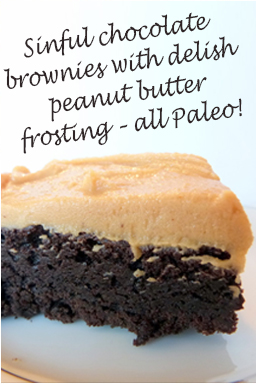
Brownies with Peanut Butter Frosting Who doesn’t love chocolate? Now you can indulge without the guilt. Preheat oven to 350° F. Line an 8×8 baking pan with parchment paper, leaving flaps overhanging the ends. In a food processor or Blendtec, pulse together 1 cup fine almond flour, 1/4 teaspoon sea salt and 1/4 teaspoon baking soda. Add in 1/2 cup dark chocolate chips and pulse until it is the texture of coarse sand. Add in 1 tablespoon cocoa powder, 1/4 cup honey, and 9 Medjool dates (pits removed, soaked 1 hour and drained) and pulse until combined. It won’t be very smooth yet. Add 3 large omega-3 eggs and 1/2 cup softened or melted coconut oil and pulse until smooth. Transfer the mixture to the prepared pan. Smooth into corners and flatten the top with a spatula. Bake for 20 to 30 minutes, checking occasionally after the 20 minutes to see if the center has set (it shouldn’t jiggle when you gently shake the pan). Once the center is set, remove from oven and let cool in pan, on a wire rack, for 2 hours before cutting. Eat as is or frost with peanut butter frosting
Peanut Butter Frosting Beat 3/4 cup palm shortening and 3/4 cup smooth natural peanut butter (no sugar added) on high speed until creamy and smooth. Add 1/3 cup raw honey, 1/2 teaspoon pure vanilla extract and 1/8 teaspoon sea salt. Beat on medium speed for about 45 seconds to combine. Scrape down the sides of the bowl and continue beating on high speed until the frosting is thick and fluffy, about 3 to 4 minutes. You can use right away or place in the refrigerator for about an hour to let it firm up. Frost brownies and serve.
Pumpkin Tarts Love, love, love pumpkin. Hence, this is a favorite of mine! Preheat oven to 350° F. Grease a 24 cup mini muffin pan with ghee (or butter if you eat dairy). Combine 2 cups fine ground almond flour, 1/4 teaspoon sea salt, 1/4 teaspoon baking soda and 1 tablespoon ground cinnamon in a medium bowl. In another bowl, combine the wet crust ingredients. Add 1/4 cup melted coconut oil, 5 tablespoons raw honey and 1 tablespoon pure vanilla extract to the dry ingredients and mix until thoroughly combined and you have a smooth dough ball. Using a small cookie scoop, drop a ball of dough in each mini muffin cup. Press down with a tart tamper, dipping the tamper in almond flour after every 2nd or 3rd tart to keep it from sticking. Bake the tarts in the pre-heated oven for exactly 5 minutes. Remove from the oven. The tarts will have puffed up quite a bit. Poke a hole in the bottom of each tart with a toothpick to release the steam. Go back and press each tart back down with the tart tamper. Let cool for 10 minutes on a cooling rack. Do not remove the tarts from the pan. While the tarts are cooling, combine 1/2 of a (15 oz.) can of pumpkin puree (about 1 cup), 1/2 cup coconut milk (canned, full-fat), 1/2 teaspoon pure vanilla extract, 1/8 teaspoon ground cloves, 1/8 teaspoon ground cinnamon, 1/4 teaspoon ground nutmeg, 1/8 teaspoon ground ginger, pinch of sea salt, 1 1/2 tablespoon maple syrup, 1/2 tablespoon arrowroot powder, 1 omega-3 egg and 1 omega-3 egg yolk in a medium bowl. Using the same small cookie scoop, fill the cooled tart shells all the way with the pie filling. Cook for 10 minutes, the centers will still be slightly wiggly. Let cool completely on a wire rack. Use a small paring knife to separate the tarts from the muffin tin and serve with a dollop of whipped crust.
On Sunday mid-mornings when I was growing up, my brothers and I were not allowed to watch television after returning home from morning mass. Mom simply did not want us to get all caught up in a program or movie that could possible prevent us from sitting down to the table when she called us for dinner around noontime or shortly thereafter. As an Italian-American family, dinner was always served midday on Sundays and it was always pasta.
Needless to say, after growing up eating pasta twice a week (Mom also served it every Thursday), plus eating the same weekday dishes week in and week out (beef stew on Mondays, stuffed chicken on Tuesdays, homemade pizza on Fridays, etc.), all I wanted when I moved out was a variety to my dinners with little repetition and no white carb pasta ever again.
Now that I eat Paleo, I love exploring new recipes and finding ones that replicate the not so nutritious meals I once ate. Often my dinner guests will say to me, “This is Paleo?” I think they anticipate a plate of blandness with no pizazz. That is far from reality! Below are just a few of my favorite Paleo dinner dishes. I hope you enjoy them as much as my family and friends.
Bruschetta Chicken with Zucchini Pasta A twist on Chicken Parmesan! Make the bruschetta ahead by combining 3 chopped large heirloom or garden grown tomatoes, about 15 chopped basil leave strips and 2 to 3 peeled garlic cloves into a bowl. Drizzle with 3 tablespoons extra-virgin olive oil and 1 tablespoon balsamic vinegar and sprinkle with sea salt to taste. Gently mix together just to combine flavors. Let set a couple hours for flavors to mix. For the chicken, mix together the juice and zest from one lemon, 1 garlic clove crushed, 3 tablespoons fresh basil finely chopped, 1 walnut oil, and sea salt and pepper to taste. Marinade 4 chicken breasts in the ingredients for 30 minutes to 24 hours then grill until cooked through and no longer pink in the middle. Lastly for the zucchini noodles, slice 4 medium to large zucchinis thinly. Melt 1 teaspoon coconut oil in a pan and sauté zucchini until warmed throughout but al dente, approximately 2 minutes. Season with garlic salt and drizzle with olive oil. To arrange, place a small amount of noodles on a plate, then top with the chicken and bruschetta.
Lamb with Spaghetti Squash A healthy makeover to spaghetti with meat sauce! Preheat oven to 375° F. Cut 1 small or medium spaghetti squash in half length-wise with a large knife or cleaver. Place cut side down in a shallow baking dish. Add 3/4″ of water to the dish. Bake for 45 minutes, until the squash is soft to the touch. After 30 minutes of baking, heat a large sauté pan over medium-high heat with 2 tablespoons coconut oil. Add 1 pound ground lamb (elk or bison), 1/8 pound ground liver (optional), 1/2 diced yellow onion, 1/2 teaspoon sea salt (optional), 1/2 teaspoon granulated garlic, and 1/4 teaspoon oregano and cook 5 minutes. Stir frequently. Add 8 medium white button or cremini mushrooms sliced and continue to cook until lamb is fully done, 10 to 12 minutes. Set aside. When squash is done cooking, remove it from the oven and cool until it can be comfortably handled. Turn the cut side up, and remove from the rind with a fork. This should be done cross-wise, so the strands of squash fall out like spaghetti. Spoon lamb mixture over spaghetti squash to serve. Top with either a Paleo Pesto or Mojo Verde sauce.
Mojo Verde Sauce Place 1 bunch cilantro, 1/4 to 1/2 cup olive oil, 1 to 2 cloves garlic and 1/2 teaspoon sea salt into a food processor. Blend until desired consistency is reached. Makes approximately 1 cup.
Paleo Pesto Sauce Place 2 oz. fresh basil leaves (about 1 cup packed full), 1/4 cup raw pumpkin seeds, 1/4 cup raw cashews, 2 tablespoons lemon juice, 1/2 teaspoon coconut aminos, 2 cloves garlic, 1/2 teaspoon sea salt (optional), dash cayenne pepper, and 1/2 cup olive oil into a food processor. Blend into a smooth paste. Stop and scrape the sides of the bowl down to get an even texture several times during blending. Add more or less olive oil to reach desired consistency. Makes about 1-1/2 cups. Double or triple the recipe and freeze leftovers for future meals.
Steak with Pineapple Salsa This is a neighborhood cookout favorite! Prepare grill or turn broiler on high. Mix 1 tablespoon olive oil and 1 teaspoon chipotle powder together in a small dish. Brush onto both sides of 1 pound beef flank steak. Grill approximately 5 minutes on one side and 3 more minutes on the other. Or broil 3 minutes on one side, and 2 minutes on the other. Remove to a plate. Cover and let rest for 10 minutes. Grill 4 slices fresh pineapple rings for 2 to 3 minutes per side (or broil for 45 seconds to 1 minute per side). Cut the pineapple into small chunks and place in a medium bowl. Add 1 diced large red bell pepper, 1/2 diced red onion, 1/4 cup chopped cilantro and juice of 1 lime. Mix together. Slice the steak thinly and top with pineapple salsa.
Tilapia Wrapped in Bacon This recipe is really easy and always a big hit with guests. Wrap each piece of tilapia with one strip of bacon. Place fish in a medium-hot skillet and sauté a few minutes on each side or until bacon is crispy. When cooked, place fish on a plate with a paper towel to soak up any bacon grease and sprinkle with salt and pepper to taste.
Sweet, salty, crunchy, soft, gooey, hot or chilled, who doesn’t love tempting appetizers to pick at and on before your long awaited dinner is served? I am definitely guilty as being one of those dinnertime eaters who will indulge in so many appetizers that by the time the main course arrives I am way too full to eat any further (Doggie bag, please?). Why even order an entrée when you can make a meal just on eating delicious apps when you are sitting at the table famished, right? Or perhaps you are one of the lucky ones who can eat both appetizers and a main course meal with plenty of room still for dessert! Whichever eater you may be, just make certain the apps you devour are healthy and nutritious like some of my favorite Paleo appetizer recipes below. Inbox me with your own favorites!
Avocado Deviled Eggs This recipe can easily be doubled! Peel 3 omega-3 hard-boiled eggs. Slice long ways in half. Give a gentle squeeze into a small bowl to pop out the yolk. Use a fork to mash the yolk, 1/2 avocado and salt and pepper to taste. Squeeze in the juice of 1/2 lime and add hot sauce to taste. Mix well and spoon mixture into a Ziploc baggie. Cut off the tip and piped it into the egg halves. Sprinkle with a little paprika for garnish. Chill until ready to serve.
Bacon Meatballs with Mango Honey Mustard Sauce These are always a hit! Preheat your oven to 350° F. Place 6 slices of pork or turkey bacon (cut into 1 inch pieces) into a large skillet and cook over medium heat. Once bacon has rendered some fat in the pan, add 1/2 diced yellow onion. Mix together and poke at it randomly to be certain the bacon and onions don’t brown too much or burn. Once bacon is cook through, place bacon and onions on a plate lined with a paper towel to soak up some excess fat and cool. Next place 1.5 pounds ground beef or turkey into a large bowl. Add cooled bacon and onions, along with 1 omega-3 egg, 1/4 cup almond flour, 1 teaspoon cumin, 1/2 teaspoon chili powder, and salt and pepper to taste. Use your hands to mix together thoroughly. Then roll into little bite size balls and place on a parchment paper lined cookie sheet. Bake for around 10-15 minutes, depending on the size of the meatballs. Enjoy!
Shrimp Cocktail Great for dinner parties!Combine 6 ounces tomato paste, 3 tablespoons apple cider vinegar, 1/3 cup water, 1 teaspoon cinnamon, 1 teaspoon allspice and salt to taste to create a Paleo ketchup. Add 1 tablespoon grated horseradish root. Taste and adjust seasonings to suit your taste. Chill until ready to serve with 30 to 40 pre-cooked deveined shrimp.
Stuffed Mushrooms with Sausage and Spinach This is a good amount of prep but worth it in the end. Preheat oven to 400° F with the rack in the center of the oven. PART 1: Place a foil-lined baking sheet onto the rack to preheat. Wipe the tops clean of 5 medium Portobello mushrooms with a damp cloth. Remove the stems then the gills with a spoon. With a sharp paring knife, cut a shallow “X” on the top of each mushroom. Brush avocado oil (or your favorite fat) all over the mushrooms and season the tops and bottoms with salt and pepper to taste. Place the mushrooms on the preheated baking sheet in the oven, gill side up, and baked for 10 minutes. Flip each mushroom and bake gill side down for 10 additional minutes. Remove tray from the oven and let the mushrooms cool to room temperature. PART 2: While the mushrooms are baking, make the stuffing. Heat a couple tablespoons of ghee (or your favorite fat) in a large skillet over medium heat and sautéed 1/2 small onion minced with salt and pepper until soft and translucent. In a medium bowl, add 1 pound raw pork or chicken sausage (removed from casing) plus the following seasonings: 1 teaspoon green peppercorns, 1 teaspoon dried chives, 1 teaspoon basil, 1 teaspoon tarragon, 1 teaspoon parsley, 1 bay leaf, 1 teaspoon dill weed and 1 teaspoon garlic powder. Mix in 2 large omega-3 egg lightly beaten, 8 ounces fresh spinach, 1 tablespoon coconut flour (optional), salt and pepper to taste. Transfer mushrooms onto another baking sheet lined with foil and tope with stuffing on each cap. Pressing stuffing down to make more compact. Baked at 350° F for 45 minutes. Top with your favorite marinara sauce and serve immediately.
Zucchini Roll Ups This recipe is super delish! Heat grill. Remove ends and slice 2 zucchinis into 1/4 inch thick strips lengthwise with a knife or mandoline. Place zucchini in a bowl with 3 tablespoons of olive oil, a pinch of garlic powder and salt and pepper to taste. Mix using your hands, coating the zucchini. Place 4 Italian sausages on the grill along with zucchini. While the zucchini and sausages are cooking, make the pesto. Add 1/2 cup walnuts, 1 garlic clove and1 cup fresh basil to a food processor. Add 1/3 cup olive oil while the food processor is running. Next add juice of 1 lemon and salt and pepper to taste. After zucchini has cooked 4 to 5 minutes and has begun to show grill marks, flip over. Once zucchini and sausage are completely cooked through, remove and cool. After cooling, use a spoon to spread the pesto down the center of the zucchini strip and cut off an inch or so piece of sausage. Place the sausage in the middle of the zucchini so the cut sides are facing toward the outer ridges of the zucchini. Wrap the zucchini around the sausage and use a toothpick to hold it in place. Makes 11-12 rolls.
I must admit, I’m a pushover for salads. They truly are one of my favorite meals, especially when it’s made with fresh spinach and lots of healthy goodies tossed in – such as chicken, shrimp, eggs, nuts, tomatoes, citrus and other endless options. So having a salad when eating Paleo is actually pretty easy for me. But there is more to lunch choices than just salads, right? Check out the Paleo recipe suggestions below that perfect for lunch. I’ve included just one salad must-have and other options – all delish!
Almond Flax Crust Pizza
Heat oven to 425° F. Combine flaxseed 1-1/4 cups flaxseed meal, 1 cup almond flour/meal, 1 teaspoon sea salt, 2 teaspoon natural baking powder and 1 teaspoon Italian mixed dried herbs together until lump-free. Beat together 3 omega-3 eggs, 3 tablespoons melted coconut oil, 1 tablespoon honey and 1/2 cup water until smooth. Pour liquid mixture into dry mixture. Blend well until smooth. Press into desired shape. Place on a pre-greased or non-stick pizza pan or sit on a silicon baking mat. Bake for 15 minutes in the center of the oven until cooked. Add favorite toppings of choice – such as grilled chicken, green peppers, red onions and marina sauce – and then return to the oven to bake for an additional 10-15 minutes. Yum!
Cream of Mushroom Soup
Perfect for a chilly day! In a large pot, sauté 1 diced onion, 2 cups thinly sliced mushrooms and 1 diced celery stalk in 1 tablespoon of organic butter or coconut oil for 5 minutes until translucent and tender. Add 6 to 8 cups of homemade chicken stock or 2 quart of organic chicken broth and 15 to 20 chopped asparagus spears, 2 cups of chopped chicken. Bring to a boil. Turn heat to low and simmer for 10 minutes. Add 2 cups of chopped fresh spinach, 1 can of coconut milk and turn heat up to return to a boil. Salt and pepper to taste. Reduce heat to low and simmer for another 3 to 4 minutes. Turn off heat and allow mixture to cool for 10 minutes.
Grilled Chicken Salad Wraps
This recipe is super easy! Mix 1/2 cup chopped grilled chicken, 3 tablespoon chopped Fuji apples, 2 tablespoon chopped red grapes, 2 teaspoon honey, and 2 tablespoon almond butter together in a bowl. Place filling onto individual Romaine leaves and wrap around close. That’s it!
Spinach and Salmon Salad with Arugula Pesto
In a food processor, blend 2 cups packed fresh arugula, 1 clove garlic and 1/4 cup walnuts until finely chopped. With the machine running, gradually add the 1/2 cup olive oil, processing until well blended. Transfer pesto to bowl and stir in salt and pepper to taste. A quick side note, the pesto can be made a couple days in advance, just cover and refrigerate! For the salad, combine 3 cups spinach, 2 cups micro greens, 1 cup shredded cabbage, 1 carrot shredded. 1 cup chopped steamed green beans, and 1/2 cup pepitas in a bowl. Add 4 tablespoons of pesto and toss greens until well combined. Place in refrigerator or set aside while you prepare fish. Finally, for the salmon, salt and pepper both sides of 2 freshwater salmon filets and lay on baking sheet. Top each filet with 1 tablespoon of arugula pesto and spread over the top. Cook the fish under a broiler for approximately 5 minutes, depending on how thick filet is, or until fish is flaking and opaque. Top salad with fish.
Turkey Sliders In a large bowl, combine the 8 to 10 ounce ground lean turkey meat, 2 tablespoons fresh chopped oregano and 2 minced garlic cloves, and mix with your hands until fully combined. Form into two patties and set aside. Heat a grill to medium high heat. Spray 4 thick slices of zucchini (or eggplant, summer squash, etc.) on both sides with olive oil and sprinkle with salt and pepper to taste. Grill zucchini 2 to 3 minutes each side until there are nice grill marks and the zucchini still holds its shape. Add the turkey burgers to the grill, cooking 3 to 5 minutes per side, until cooked. Serve between zucchini slices and add your preferred toppings (sliced tomato, avocado, etc.). Serves 2. Enjoy!
Who doesn’t love to snack? That little indulgence in-between meals to help keep metabolism energy levels going and consistent. Some people love sweet, some love salty, and many love both as long as it’s delicious – but more importantly, healthy! Below are some of my favorite and simple recipes for a healthy snack Paleo-style! Remember to send me your own favorite Paleo snack recipes. Enjoy!
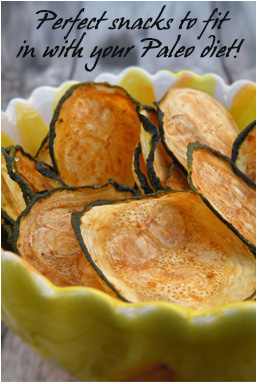
Baked Zucchini Chips For the chip eater in your home! Preheat oven to 225° F. Line a baking sheet with parchment paper or nonstick foil, and spray with canola oil. Set aside. Slice 1 zucchini into thin medallions, about the thickness of a quarter. Place slices on baking sheet sprayed with and spray tops lightly with additional cooking spray. Sprinkle with seasonings of your choice. Place in preheated oven and bake 45 minutes. Rotate baking sheet, and bake an additional 30-50 minutes, until chips are browned and crisped to your liking. These are best eaten within a couple hours of removing from the oven, as they start to get chewy if left out. One zucchini yields one serving, 1/4 to 1/3 cup of chips depending on the size of your squash.
Carmel Apple Dip Perfect in the fall and year round! Combine 1 cup pitted Medjool dates (about 8 to 10), 2 tablespoon full fat canned coconut milk, 1/4 teaspoon sea salt, and 1/2 teaspoon pure vanilla extract in the bowl of a food processor and process until smooth. Scrap down the sides if needed. Scoop out and place in a bowl. Serve with your favorite sliced apples and enjoy! Store extra in an airtight container in the refrigerator for up to two weeks.
Cauliflower Popcorn A healthy makeover of a family favorite! Soak 1/4 cup raw cashews in 1/4 cup of water for 1 to 2 hours. Pour off the soaking water, and transfer your soaked nuts to a blender. Add another 1/4 cup of water and 1/2 teaspoon sea salt to your nuts in the blender. Blend until smooth. In a large bowl, pour the cashew mixture over the 1 head of cauliflower cut into florets and toss to coat. Spread out on teflex sheets or parchment paper. Dehydrate at 115° F for 12 to 24 hours.
Cinnamon Glazed Almonds These are simply irresistible! In a saucepan, mix 1/2 cup water, 1 to 2 tablespoons cinnamon and 1 cup coconut palm sugar and bring to a boil. Stir in 2 cups soaked raw almonds and reduce heat to medium. Continue stirring mixture for about 25 to 30 minutes until mixture becomes very chunky. All liquid must evaporate to cause mixture to crystallize on the almonds. Immediately spread the almonds out on a sheet with aluminum foil or wax paper. Allow to cool for at least 5 minutes before eating. Serves 6.
Energy Bars Running around during the day? Make these ahead of time to bring with you! Place 2 cups hulled fresh strawberries and 13 pitted Medjool dates (about 2 cups) into a food processor or high-powered blender. Process into a slightly chunky puree and not completely smooth. Pour fruit puree into a bowl and evenly mix in 1/4 cup flax seeds, 3/4 cup pumpkin seeds, 1/2 cup sesame seeds, and 1/8 cup chia seeds. Add sea salt to taste (optional) if you are using salted pumpkin seeds. Spread the mixture onto a food dehydrator tray lined with parchment paper or a dehydrator sheet. The mixture should be about one-eighth-inch thick. Dehydrate at 105° F for about 24 hours. After about 12 to 18 hours and when the top is no longer sticky to the touch and the bottom can easily peel off the parchment/dehydrator sheet, flip the mixture over so the top is now the bottom. This will help evenly dehydrate both sides. The bars are done when they have a fruit leather texture, not completely crispy like a cracker. Cut into bars using a pizza cutter and store in an airtight container, in a cool dark place. Can be stored six months to one year and less if not in an airtight container and the environment is warmer than 70° F.
Raw Cashew Balls These are great for picnics! Place 1 cup pitted and chopped Medjool dates in a food processor and process until smooth. Add 1 cup cashews and 1/2 cup cashew butter. Process until the mixture forms a dough ball. Once a dough ball has formed, move the dough to a plate and form the mixture into 16 equal sized balls, refrigerate for at least an hour to harden and enjoy! You can also substitute the cashews and cashew butter for almond and almond butter.
Stuffed Apples This is super easy and one of my favorites as I love the combination! Select your favorite apple (mine are the green Granny Smith!), one for each person you will be serving. Wash, dry and core the center of the apple without cutting it open. Scoop your favorite nut butter in center (I use almond). That’s it! It’s ready to eat! Wrap it in plastic if you are taking it on the go.
CrossFit. It seems to be all the rage. Gyms just for CrossFit are popping up everywhere with family members and friends of mine joining this latest fitness craze that has taken off like wildfire.
So I went exploring to check it out and see what this so-called “ultimate power combination” was all about. I checked out a few nearby facilities, reviewed their membership plans, and even contemplating investing in a CrossFit gym not too far from my home. But in the end, I decided CrossFit wasn’t for me (due to my longstanding lower back issues) but it might be the right fitness regimen for you! Here’s more.
Greg Glassman first came up with CrossFit back in the 1990s. Prior, Glassman first coached gymnastics at a local YMCA in Southern California and later trained professional athletes and celebrities in local gyms. He discovered high intensity workouts worked best with his clientele and later concluded bodybuilding and endurance programs should be incorporated when he began training law enforcers. In 1995, Glassman took his developed fitness technique and opened up his first official CrossFit gym in Santa Cruz. His program received immediate attention and recognition. Six years later, he launched crossfit.com as an open source program – meaning anybody could now use his program – that includes a library of workout and exercise demo videos, an active discussion forum and the Workout of the Day. Then a few subsequent years later, Glassman took CrossFit to another level by launching an affiliation program. Today, members of more than 9,000 affiliated gyms practice CrossFit worldwide.
Getting back to the program itself. CrossFit is a very unique strength and conditioning exercise regimen with the goal of bettering one’s muscular strength, cardio-respiratory endurance, and flexibility. This is accomplished by stringing together a perpetually varied mix of skills and drills that most commonly associated with Olympic weight lifting, gymnastics, and metabolic conditioning. All movements are continuous, diverse and performed at high intensities to help the exerciser to ultimately become more dexterous with their accuracy, agility, balance, cardiovascular endurance, coordination, flexibility, power, speed, stamina, and strength.
Workouts include short but intense movements using your body weight, such as air squats, back extensions, box jumps, burpees, cartwheels, dips, handstands and handstand push-ups, hanging knees-to-elbows and toes-to-bar, hip extensions, holds, jump rope, kips, L-sits, lunges, muscle-ups, pirouettes, pull-ups, push-ups, ring dips, rope climbs, scales, and sit-ups. For distance and endurance, it’s biking, running, swimming, and rowing. Weight training is a mix of barbell snatches, bench presses, clean lifts, deadlifts, kettlebell swings, power cleans, push presses, snatches, squats, thrusters, and wallballs with a medicine ball.
The key is to constantly move, constantly challenge yourself and constantly advance your abilities; to become measurably stronger, faster, and fitter. And due to CrossFit’s intensity level, it also yields a very high calorie-burning capacity with the actual count based on the participant’s physical abilities, weight and aerobic capacity on top of the actual workout itself.
When it comes to nutrition, CrossFit devotees typically indulge on a diet rich in vegetables, lean meats, nuts and seeds and, in more particulars, 30 percent protein, 40 percent carbohydrates and 30 percent fat, with the principles and guidelines of the CrossFit diet duplicating those in the Paleo Diet. Hence by combining two very distinct lifestyles together, participants will not only feel better but also perform better and possibly experience mouth-dropping results.
So if you have your own curiosity about CrossFit, check out a local CrossFit gym. Most offer free passes or the first month at a discount so you can first hand determine if this fitness program is for you. You never know what you will discover unless you give it a go.









 Fit Past 40 Blog