“Cooking for yourself is the only sure way to take back control of your diet.” — Michael Pollan
In the world of nutrition, oils play a crucial role in our daily dietary intake. They provide essential fatty acids, vitamins, and energy necessary for bodily functions. However, not all oils are created equal. Some offer significant health benefits, while others may have adverse effects on health. In this article, we’ll explore a variety of oils, categorizing them into the good, the bad, and the ugly, to help you make informed decisions about incorporating them into your diet.
The Good Oils
Extra Virgin Olive Oil: Celebrated for its heart-healthy monounsaturated fats and potent antioxidants, extra virgin olive oil is a cornerstone of the Mediterranean diet. It boasts anti-inflammatory properties and is associated with reduced risk of heart disease and certain cancers.
Avocado Oil: Rich in monounsaturated fats and vitamin E, avocado oil is known for its positive impact on heart health. It has a high smoke point, making it suitable for cooking at high temperatures.
Flaxseed Oil: A rich source of alpha-linolenic acid (ALA), a type of omega-3 fatty acid, flaxseed oil is beneficial for heart health and may help reduce inflammation in the body.
Walnut Oil: Another source of omega-3 fatty acids, walnut oil offers heart-healthy benefits and can be used in salad dressings and dips to add a nutty flavor.
Sesame Oil: Widely used in Asian cuisine, sesame oil contains antioxidants and healthy fats that may help lower blood pressure and cholesterol levels.
The Neutral Oils
Canola Oil: Low in saturated fat and high in monounsaturated fats, canola oil is a versatile cooking oil with a neutral flavor. It’s suitable for baking, sautéing, and salad dressings.
Peanut Oil: With its high smoke point, peanut oil is commonly used in deep frying and stir-frying. While it contains some monounsaturated fats, it’s important to use it in moderation due to its calorie density.
Sunflower Oil: Sunflower oil is rich in vitamin E and low in saturated fat. It’s suitable for cooking and baking but should be used in moderation due to its omega-6 fatty acid content.
The Bad Oils
Safflower Oil: While safflower oil is low in saturated fat, it’s high in omega-6 fatty acids. Consuming too much omega-6 fatty acids relative to omega-3s can promote inflammation in the body.
Vegetable Oil: Often a blend of different oils like soybean, corn, and canola oils, vegetable oil is high in omega-6 fatty acids and may contribute to inflammation when consumed in excess.
The Ugly Oils
Grapeseed Oil: While grapeseed oil has a high smoke point and is suitable for high-heat cooking, it lacks significant health benefits compared to other oils like olive or avocado oil.
Regular Olive Oil: Often labeled as “light” or “pure,” regular olive oil undergoes more processing than extra virgin olive oil and may lack some of the beneficial compounds found in extra virgin olive oil.
Selecting the right oils for your diet is essential for maintaining optimal health. Incorporating oils rich in monounsaturated and polyunsaturated fats can provide numerous health benefits. Also, reading the listed oils on ingredient labels before purchasing food at the grocery store is an important habit for maintaining a healthy diet and avoiding potential harmful oils. Similarly, when dining out, asking waiters about the oils used in dishes can help individuals avoid potential health risks.
Making informed choices about the oils consumed can help contribute to your health and well-being for years to come.
“Beautiful young people are accidents of nature, but beautiful old people are works of art.” — Eleanor Roosevelt
As we age, it is often not until then that many of us start to become more self-conscious about our health, wellness, and longevity as we look in the mirror and may feel like we are not able to do the same things or feel the same as our younger years.
Luckily, in a time where people are living longer, aging well involves making smart choices, being proactive, and navigating health risks. Genetics clearly play a role, but lifestyle decisions can impact and be a significant role in prevention, management, and ideally maximizing the quality of life regarding health and wellness.
Living Longer
Just a short century ago, life expectancy was closer to 54. But today, people are living longer with many living past the age of 90. Legendary celebrities well into their 90s and still going strong include 92-year-old William Shatner, 93-year-old Clint Eastwood, 95-year-old Ruth Westheimer (aka “Dr. Ruth”), and 98-year-old Dick Van Dyke.
In 2021, there were 89,739 centenarians living in the US, nearly twice as many as 20 years ago, per the Population Division of the United Nations. Per Guinness World Records, Californian Maria Branyas is currently 116-years-old (b. March 4, 1907) and took the title of the world’s oldest verified living person earlier in 2023 after the passing of Sister André, a French supercentenarian who lived to 118 years and 340 days.
What about Dan Buettner’s “The Blue Zones”? His book published years ago, and the movie version was recently on Netflix earlier this year. Is there truth in the various methodologies and secrets from those becoming centenarians around the globe who live in the so-called “blue zones”– from how they live, what they eat, their exercise habits, and ways coping with stress?
10 Pillars to Healthy Aging
As the years unfold beyond age 40, the question remains, ‘How can I extend my lifespan and gracefully age and navigate the later years?’
Below are 10 major pillars to keep in mind for healthy aging—nutrition, diet, alcohol and drugs, hormone health, specialists, risk monitoring, exercise, mental stimulation, sleep, and stress—to maximize longevity and well-being. Always consult with your physician and dietitian when making changes to your daily health and diet regimen.
We are what we eat so always be certain to know what is in the platter you just ordered in the restaurant and what ingredients are in that box of cereal you are pulling off the grocery shelf. Reading labels and knowing what you are putting in your mouth is very important as many keep one eye shut when indulging.
The time is now if you don’t already aware you are exactly digesting as it’s never too late to discover the power of nutrition and the impact and healing power it has on your mind and body. Below is just a snippet on nutrition as we age. B vitamins, magnesium, vitamin D, and protein are essential nutrients to elevate brain health, support muscle vitality, and promote graceful aging. There are many more.
B Vitamins: Dive into the research-backed benefits of B vitamins, addressing cardiovascular and neurological conditions. Incorporate sources like meat, dairy, seafood, leafy greens, and whole grains, or explore B complex vitamin supplements.
Magnesium:Combat the challenges of magnesium absorption as you age. Explore magnesium-rich foods like spinach, avocado, dark chocolate, beans, and nuts. Consult with your physician if magnesium deficiency concerns arise.
Vitamin D:Uncover the potential of vitamin D in addressing age-related health concerns. Embrace fortified foods like milk or mushrooms and discuss supplementation options with your healthcare provider.
Protein:Navigate muscle mass decline with optimal protein intake. Aim for 1.2–2.0 grams per kilogram of body weight daily to support your body’s evolving needs.
As mentioned above, consult with your physician or dietitian to create a plan that supports overall health and addresses specific conditions. This could involve incorporating new nutrient-rich foods into your daily diet and avoiding those that may exacerbate a condition.
One of the cornerstones of a healthy life beyond 40 is a well-balanced and personalized diet. Consider a diet that is right for you—Atkins, keto, Mediterranean, paleo, intermittent fasting, and others—and a diet that aligns with your health conditions or risks. Whether it’s high blood pressure, diabetes, or heart disease, your diet plays a crucial role.
Also, if you don’t already, consider eating “in” more than eating “out.” Restaurants can easily hide unhealthy fats, high amounts of sodium and seasonings, and other hidden ingredients that you would otherwise avoid when cooking at home.
High Blood Pressure: If you’re at risk of or dealing with high blood pressure, focus on a diet rich in potassium, magnesium, and fiber. Cut back on sodium and processed foods. Consult with your healthcare team to find the right balance for you.
Diabetes: For those with diabetes or at risk, prioritize complex carbohydrates, fiber, and lean proteins. Monitor your carbohydrate intake and consider the glycemic index of foods. Work closely with your healthcare team to manage your blood sugar levels effectively.
Heart Disease: A heart-healthy diet includes plenty of fruits, vegetables, whole grains, and lean proteins. Limit saturated and trans fats, cholesterol, and sodium. Collaborate with your healthcare provider to build a diet that promotes heart health.
Remember, your dietary choices are a powerful tool in shaping your health. Consultation with your physician or dietitian ensures a personalized approach that aligns with your unique needs. Let your diet be a source of nourishment, vitality, and resilience as you navigate the years beyond 40.
As you journey through life past 40, understanding the impact of alcohol and drugs on your health becomes increasingly vital. While moderation might have been a more lenient guide in younger years, the consequences of substance use can significantly affect overall well-being as you age.
Moderation is key when it comes to alcohol consumption. Aging bodies metabolize alcohol differently, leading to increased sensitivity and potential health risks. Excessive alcohol intake can exacerbate conditions like high blood pressure, liver disease, and weaken the immune system.
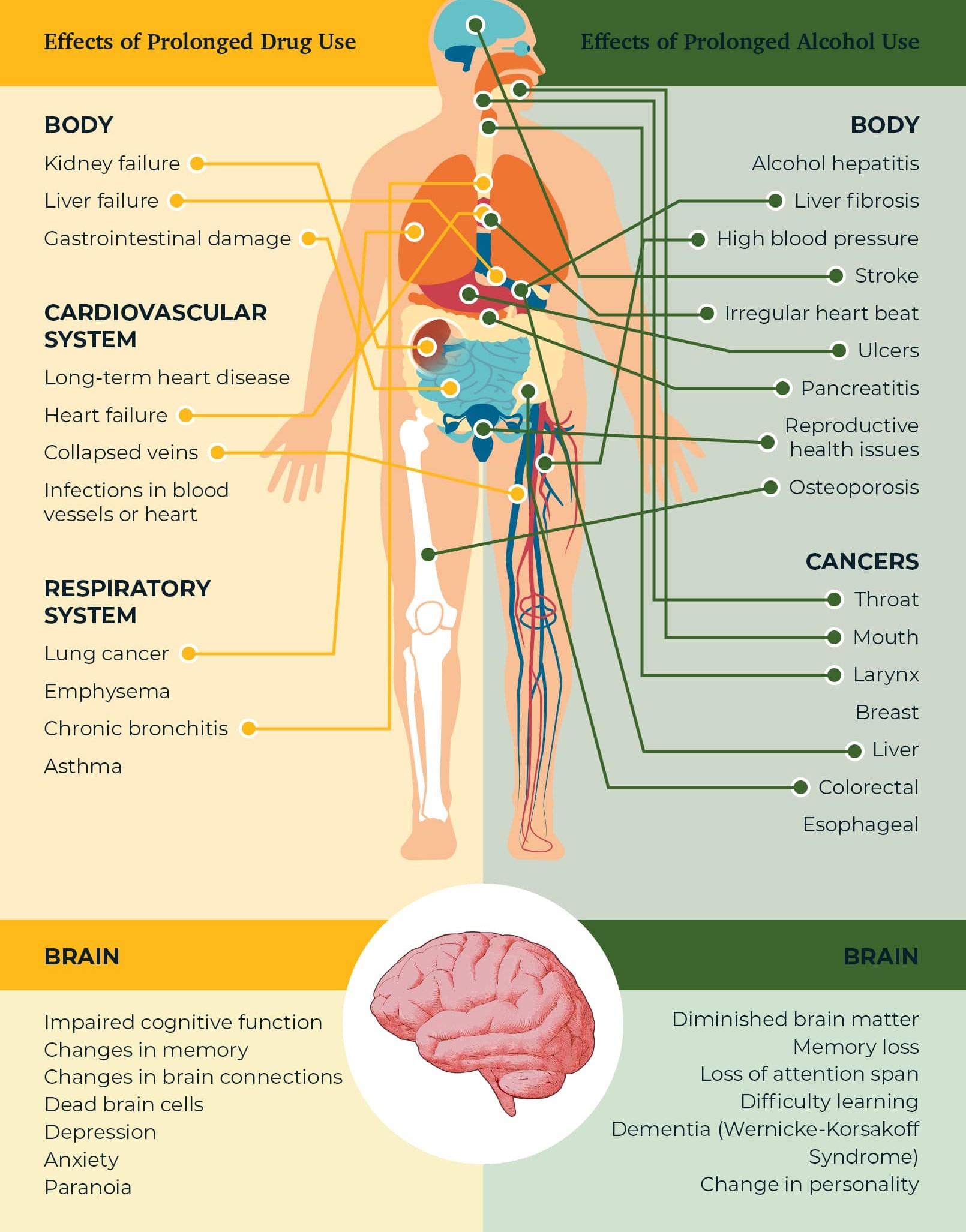
Prolonged and excessive alcohol consumption can indeed harm brain cells. Chronic alcohol use disrupts neurotransmitters, damages brain cells, and impairs communication between neurons. This interference with brain function can lead to memory problems, decreased cognitive abilities, and even contribute to conditions like Wernicke-Korsakoff syndrome, characterized by severe memory loss.
The effects of drugs, whether prescription or recreational, can magnify with age. It is crucial to adhere strictly to prescribed medications and avoid recreational drugs. Drug interactions, reduced metabolism, and increased susceptibility to side effects pose greater risks as you age.
Alcohol and drug misuse can have a profound impact on physical health. They may exacerbate existing health conditions such as cardiovascular disease, liver disorders, and weaken the body’s ability to recover from illness or injury. Substance misuse can impair cognitive function and exacerbate age-related cognitive decline. Long-term alcohol abuse, for instance, can lead to memory problems and impairments in decision-making abilities.
Excessive alcohol consumption and drug use can exacerbate mental health issues such as anxiety and depression. They might also interfere with medications prescribed for mental health conditions. Additionally, alcohol and certain drugs can interact with prescribed medications, reducing their efficacy or causing adverse reactions. Always consult healthcare professionals to understand potential interactions and risks.
For those who choose to drink alcohol, be aware of the recommended limits and consider the impact of alcohol on your health. It is crucial to be mindful of the potential risks associated with drug use and seek guidance from healthcare providers for any concerns.
Long-term health effects of prolonged drug and alcohol use: Wyoming Recovery.
As you embrace life beyond 40, skincare continues to be a very important of your daily care regimen. Aging brings forth changes in skin texture, elasticity, and moisture retention. Collagen and elastin production slow down, leading to fine lines, wrinkles, and sagging. Environmental factors, lifestyle choices, and genetics further impact your skin’s health.
Aging gracefully will involve your conscious decision to nurture your body from within and caring for the outer shell that mirrors your vitality. Afterall, our skin is your body’s largest organ, requiring ongoing tailored attention and nourishment.
Tailored Skincare Regimens: Crafting a personalized skincare routine becomes paramount. Consult with dermatologists or skincare specialists to curate a regimen that addresses your skin’s unique needs. Focus on gentle cleansing, hydration, protection from UV rays, and targeted treatments to address specific concerns like age spots or uneven tone. For the women, I use Meaningful Beauty and love the results. I also apply a retinol.
Hydration and Moisture: Maintaining skin hydration becomes essential. Opt for hydrating serums, moisturizers, and products containing hyaluronic acid or glycerin to replenish moisture and enhance skin elasticity.
Sun Protection: Always shield your skin from harmful UV rays. Incorporate broad-spectrum sunscreen with at least SPF 30 into your daily routine to prevent premature aging, sunspots, and skin damage. Wear a hat and sunglasses and wear UV protective clothing if you plan to be outdoors in the sun for an extended period.
Targeted Treatments: Consider specialized treatments like retinoids, antioxidants, or peptides to stimulate collagen production, minimize fine lines, and improve skin texture. These targeted interventions aid in preserving youthful radiance and skin resilience.
Lifestyle Impact: A healthy lifestyle—nutrition, hydration, exercise, and ample sleep—directly influences skin health. Adequate hydration and a balanced diet rich in antioxidants, vitamins, and omega-3 fatty acids support skin vitality.
Self-care Rituals: Beyond skincare products, integrate self-care rituals into your routine. Stress management, mindfulness practices, and adequate rest contribute to overall skin health and radiance.
By embracing a dedicated skincare approach, you nurture not only your skin but also your well-being. Let skincare be a celebration of self-care—a testament to the beauty that resonates from within as you navigate the journey of graceful aging beyond 40.
As life unfolds beyond the age of 40, managing stress becomes pivotal for overall health and well-being. Stress, if left unchecked, can exert a profound impact on physical health, mental well-being, and the ability to navigate the challenges of aging gracefully. Understanding its effects and adopting effective strategies to alleviate stress is essential for a fulfilling life journey.
Chronic stress can take a toll on the body and mind. It contributes to elevated blood pressure, weakens the immune system, and increases the risk of cardiovascular diseases. Stress also impacts the brain and mental health, leading to anxiety, depression, and cognitive decline over time.
Listed below are a few ways to relieve stress:
Get a daily dose of fresh air. Being outside can increase the oxygen levels in your brain, which boosts serotonin levels.
Find release through exercise. Exercise is a powerful stress reducer, releasing endorphins that elevate mood and reduce stress hormones.
Maintain a healthy diet. A healthy diet provides nutrients to properly cope with difficult emotions. Eat a balanced diet that includes fruits, vegetables, and lean protein.
Get a good night’s rest. Getting more sleep is a top recommendation by the American Psychological Association for decreasing anxiety.
Mind over matter. Your mind is a powerful thing. Incorporate mindfulness thinking into your daily routine and when placed in stressful situations.
Detox your life. If possible, distance yourself or remove causes of stress. Establish boundaries. Learn to say no when necessary and delegate tasks.
Build a support system. Sharing feelings and experiences can offer comfort, advice, and different perspectives, reducing feelings of isolation and stress
Seek professional help: If stress becomes overwhelming or persistent, seek guidance from healthcare professionals or therapists.
Recognizing the impact of stress on health and adopting proactive measures to mitigate its effects fosters not only physical resilience but also emotional and mental well-being. Prioritize stress reduction as an essential component of your journey beyond 40, allowing yourself the gift of a balanced and fulfilling life.
Assembling a proactive care team beyond your primary care physician becomes paramount for nurturing comprehensive health and well-being. Integrating specialists into your healthcare regimen allows for a multifaceted approach, addressing specific concerns and aiding in the proactive management of potential health risks as you embrace life past 40.
Tailor your approach based on personal and family history. You need to be your own self advocate when it comes to your health. Physicians you may want to consider placing on your preventive care time may include a cardiologist, endocrinologist, dermatologist, cardiologist, gynecologist, urologist, ophthalmologist, dentist, gastroenterologist, rheumatologist, and others.
By incorporating specialists into your care team, you empower yourself with tailored guidance, screenings, and interventions specific to various aspects of health. This proactive approach fosters early detection, timely interventions, and a comprehensive strategy to promote holistic health and well-being as you navigate life beyond 40.
Regular screenings and preventive tests are essential components of proactive health care beyond 40. Early detection through screenings allows for timely interventions, potentially preventing the progression of diseases or identifying health issues in their nascent stages when treatment is most effective. The “new” may be as simple as including bloodwork or multiple tests based on your genetic makeup, family history, and lifestyle.
A short list of available preventive tests:
Bone Density Scans: Assess bone health and risk of osteoporosis
Calcium Score Tests: Evaluates coronary artery calcification, aiding in the assessment of heart disease risk
Colonoscopies: Detects colorectal cancer or precancerous polyps and facilitates early intervention of colorectal cancer
Mammograms and Pap Smears: aids in early detection of breast cancer and cervical abnormalities for women
Prostate-Specific Antigen (PSA) Tests: Assists in detecting potential issues for men
Thyroid Function Tests: Evaluate thyroid hormone levels and detect thyroid disorders
Skin Cancer Screenings: Assists in identifying potential skin cancers or abnormalities
The below infographic illustrates further tests but does not represent a complete list of all available health screenings and is an approximate timeframe. The age and frequency of screenings can change based on your own personal health risks and family history. Always talk to your physician to determine which tests are right for you.
Being proactive is critical. By staying vigilant with risk monitoring and adhering to recommended screenings, individuals can proactively safeguard their health, mitigate risks, and enhance the prospects of a healthier, more fulfilling life beyond 40.
Prioritizing exercise as a regular part of life beyond 40 not only nurtures physical strength and resilience but also fosters mental clarity, emotional well-being, and a longer, more vibrant life. It is a gift to yourself—a commitment to health, vitality, and the pursuit of a fulfilling journey through the years.
Exercise boosts metabolism, aiding in better digestion, nutrient absorption, and energy expenditure. Regular exercise also strengthens the heart muscle, improves circulation, and lowers the risk of cardiovascular diseases such as heart attacks and strokes. Physical activity aids in weight management by burning calories and preserving muscle mass. This helps in controlling weight gain and maintaining a healthy body composition. Weight-bearing exercises like walking or weightlifting contribute to bone density, reducing the risk of osteoporosis and fractures.
Mentally and emotionally, regular exercising supports brain health and enhances cognitive function, reduces anxiety and depression, facilitates deeper and more restorative sleep, contributing to overall well-being.
You don’t need to run marathons and hit the gym seven days a week. Even just short, intense bouts of exercise can make a significant impact. Find activities you enjoy and make them a habit then witness the transformative effects on your overall well-being.
Whether it’s a brisk walk, a yoga class, refreshing swim, or strength training, find what suits you best and try to stay active at least 30 minutes a day with your various choices. Change your selections as the seasons change and allow exercise to be a cornerstone of your journey to a vibrant life beyond 40.
Amid the journey beyond 40, mental stimulation emerges as a key element in preserving cognitive vitality and fostering a youthful mind. Engaging your brain in stimulating activities is akin to nurturing a timeless treasure—keeping your mental faculties sharp and adaptive.
Here are a few ways to sustain brilliance as you age:
Continuous Learning: Challenge your mind with novel pursuits. Consider enrolling in online or onsite classes, learning a new language, or exploring topics that intrigue you. Continuous learning stimulates neural connections, enhancing cognitive agility and creativity.
Intellectual Hobbies: Pursue hobbies that engage your intellect. Reading, solving puzzles, playing strategy games, or engaging in arts and crafts not only entertain but also bolster cognitive reserves and problem-solving abilities.
Social Engagement: Interacting with others stimulates the brain. Engage in social activities, join clubs, have lunch with friends, or participate in group discussions. Social engagement sharpens communication skills, fosters empathy, and stimulates various regions of the brain.
Mindfulness and Meditation: Practicing mindfulness and meditation fosters mental clarity and resilience. These practices will relax you, reduce stress, improve concentration, and cultivate a calm and focused mind, enhancing overall brain health.
By actively engaging your mind through diverse and intellectually stimulating activities, you preserve cognitive agility and foster resilience against age-related decline. Embrace these strategies as tools to nurture a youthful mind and relish the timeless brilliance that accompanies you on the path beyond 40.
Sleeping is vital. It not only repairs your body overnight but consolidates your memory and enhances your cognitive performance for the next day. Experts recommend that adults age 40 to sleep between 7 to 9 hours a night.
Adults who sleep less than seven hours a night may have more health issues than those who sleep seven or more hours a night. One of three Americans have a sleep deficit, per the US Centers for Disease Control and Prevention. You don’t want to be one of them as the quantity and quality of sleep is a non-negotiable aspect of a healthy and prolonged life.
In a study as part of the National Health Interview Survey by the CDC and the National Center for Health Statistics involving around 172,000 people who answered sleep questionnaires between 2013 and 2018, those with the highest quality sleep measures live significantly longer.
How? By establishing a regular sleep routine, reducing caffeine and alcohol intake, and unplugging from devices an hour before bedtime are simple yet powerful practices to enhance your sleep quality, which have proven to add nearly five years to a man’s life expectancy and almost 2.5 years to a woman’s life.
Let sleep be your ally in the pursuit of a longer and more fulfilling life beyond 40. Prioritize deep and restorative sleep as they contribute not only to physical rejuvenation but also to cognitive vitality. Establish a consistent sleep routine, your limit caffeine and alcohol intake, and power down electronic devices an hour before bedtime.
The seven side effects of sleep deficiency. Source: Vanderbilt Health.
Summary
The above outlines 10 key pillars for healthy aging, covering nutrition, diet, alcohol and drug moderation, skincare, stress management, specialized care teams, regular screenings, exercise, mental stimulation, and quality sleep. Each pillar advocates for personalized approaches and highlights the significance of consulting healthcare professionals for tailored guidance, underscoring the importance of informed decisions in promoting a longer, more fulfilling life beyond the age of 40.
Hence, the most important takeaway is consulting with your healthcare professionals for personalized advice and interventions tailored to your needs and health conditions as you age. Be proactive. Become knowledge. Build your roadmap.
The festive season is synonymous with indulging in delicious treats. However, for those seeking healthier alternatives that don’t compromise on flavor, especially steering clear of ingredients like milk, butter, flour, and refined sugar, the task of finding such desserts can seem daunting.
Fear not! Today, I’m sharing an assortment of delicious recipes that can be added to the holiday dessert table without sacrificing health goals. So, whether you’re celebrating Thanksgiving or spreading cheer during the December holidays, these tasty yet health-conscious treats are bound to impress your guests and satisfy your sweet cravings guilt-free during the upcoming festivities.
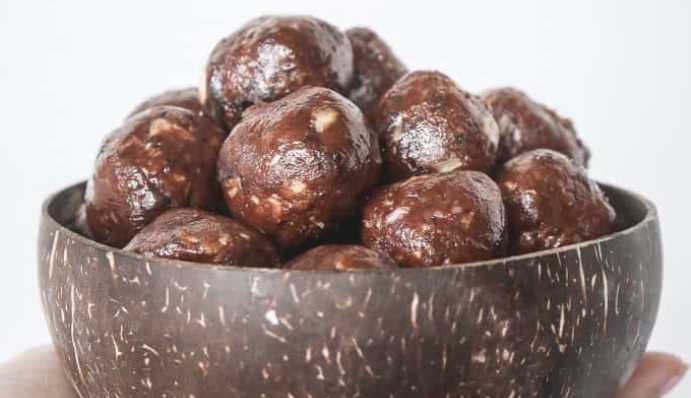
Almond Butter Date Truffles
Indulge in the simplicity of these almond butter date truffles, a healthier take on decadent truffles. With the natural sweetness of dates and the nutty richness of almond butter, these bite-sized delights are perfect for a guilt-free yet luxurious holiday treat.
Ingredients:
10 Medjool dates, pitted
1/2 cup oats (GF for gluten-free eaters)
1/2 cup creamy almond butter
1/3 cup honey
1/4 cup cocoa powder
Instructions:
In a food processor, blend all ingredients until a dough forms.
Transfer dough to a bowl. Cover and store in the fridge for 15-20 minutes to harden.
Roll into 1-inch balls and place onto parchment paper. Place back in the fridge to let harden further.
Store in a parchment lined airtight container for up to 6 days.
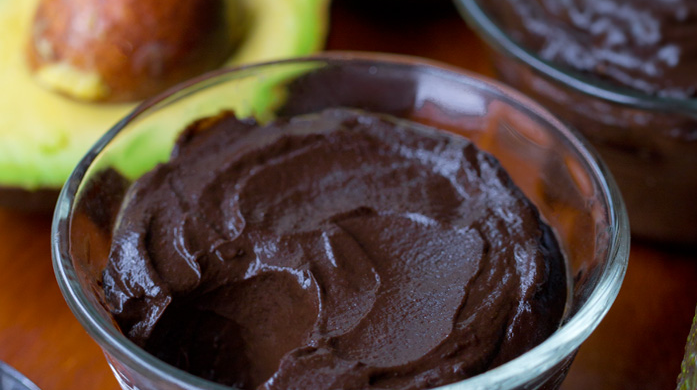
Avocado Chocolate Mousse
Dive into a velvety indulgence with this surprising yet heavenly avocado chocolate mousse. Creamy avocados and cocoa powder come together to create a decadent treat that’s sure to please chocolate lovers.
Ingredients:
2 ripe avocados
1/4 cup unsweetened cocoa powder
1/4 cup maple syrup or honey
1 teaspoon vanilla extract
Pinch of salt
Fresh berries for garnish
Instructions:
Blend avocados, cocoa powder, maple syrup (or honey), vanilla extract, and salt in a food processor until smooth.
Spoon the mousse into serving cups and chill in the refrigerator for at least 30 minutes.
Garnish with fresh berries before serving.
Baked Cinnamon Apples
Experience the comforting aroma of baked cinnamon apples wafting through your kitchen. Simple yet full of flavor, this recipe turns crisp apples into a warm and fragrant dessert that’s both wholesome and satisfying.
Ingredients:
4-5 apples, cored and sliced
2 tablespoons coconut oil
1 tablespoon cinnamon
1/4 teaspoon nutmeg
Chopped nuts (walnuts or almonds) for topping
Instructions:
Preheat the oven to 350°F (175°C).
Toss the apple slices with coconut oil, cinnamon, and nutmeg until evenly coated.
Place the coated slices in a baking dish and bake for 25-30 minutes until tender.
Serve warm, topped with chopped nuts.
Banana Oatmeal Cookies
Health meets taste in these chewy and naturally sweet banana oatmeal cookies. Loaded with fiber from oats and the natural sweetness of ripe bananas, these cookies are a guilt-free delight.
Ingredients:
2 ripe bananas, mashed
1 1/2 cups rolled oats
1/2 cup chopped nuts or seeds (e.g., almonds, walnuts, pumpkin seeds)
1 teaspoon vanilla extract
1 teaspoon cinnamon
Instructions:
Preheat the oven to 350°F (175°C).
In a bowl, combine mashed bananas, oats, nuts/seeds, vanilla extract, cinnamon, and salt. Mix well.
Drop spoonfuls of the mixture onto a baking sheet lined with parchment paper.
Bake for 15-20 minutes until golden brown.
Allow the cookies to cool before enjoying.
Chia Seed Pudding
A simple yet elegant dessert, chia seed pudding is a versatile dish perfect for the holiday season. With a base of chia seeds and almond/coconut milk, it’s a canvas for creativity, topped with your favorite seasonal fruits.
Ingredients:
1/4 cup chia seeds
1 cup unsweetened almond milk or coconut milk
1 tablespoon maple syrup or honey
1/2 teaspoon vanilla extract
Fresh fruit for topping
Instructions:
In a bowl, mix chia seeds, almond milk (or coconut milk), maple syrup (or honey), and vanilla extract.
Stir well and let it sit for 15 minutes, stirring occasionally to prevent clumps.
Refrigerate for at least 2 hours or overnight until it thickens.
Top with fresh fruit before serving.
Cranberry-Orange Chia Jam
Add a burst of tangy sweetness to your holiday meals with this vibrant cranberry-orange chia jam. Brimming with the seasonal flavors of cranberries and the citrusy zest of oranges, this naturally sweetened jam serves as a versatile topping, perfect for spreading on scones or as a complement to your festive desserts.
Ingredients:
2 cups fresh or frozen cranberries
Zest and juice of 1 orange
2-3 tablespoons maple syrup or honey (adjust to taste)
2 tablespoons chia seeds
Instructions:
In a saucepan, combine cranberries, orange zest, orange juice, and sweetener over medium heat.
Simmer for about 10-15 minutes until the cranberries burst and the mixture thickens.
Remove from heat and stir in chia seeds. Let it sit for 10-15 minutes to thicken further.
Store in a jar in the refrigerator. Use as a topping for desserts or spread on toast.
Gingerbread Energy Bites
Embrace the festive spirit with these gingerbread energy bites! Packed with the cozy flavors of ginger and cinnamon, these bites offer a healthy twist to the beloved holiday treat. Perfect for a quick snack or a guilt-free dessert, these energy bites are a delightful addition to your holiday spread.
Ingredients:
1 cup pitted dates
1 cup raw almonds
1 tablespoon molasses
1 teaspoon ground ginger
1 teaspoon ground cinnamon
1/4 teaspoon ground cloves
Shredded coconut for rolling (optional)
Instructions:
Blend dates and almonds in a food processor until a sticky dough forms.
Add molasses, ginger, cinnamon, and cloves. Pulse until well combined.
Roll the mixture into small balls. Optionally, roll in shredded coconut.
Refrigerate for 30 minutes before serving.
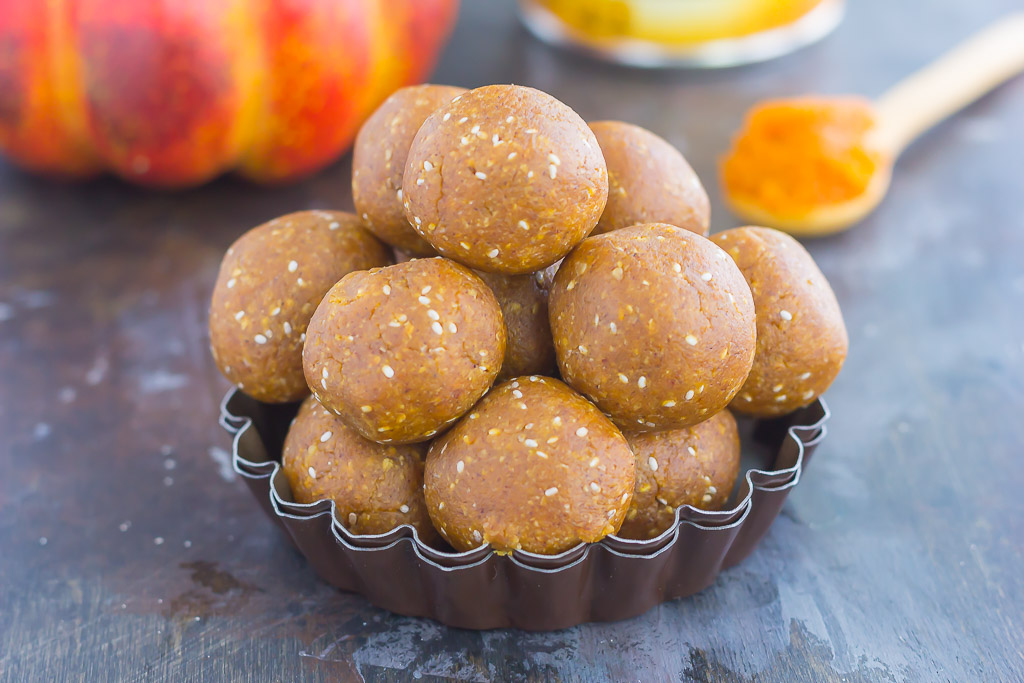
No-Bake Pumpkin Pie Bites
Savor the essence of autumn with these delightful no-bake pumpkin pie bites. Combining the warmth of pumpkin pie spice with the natural sweetness of dates and pecans, these bite-sized treats offer a taste of the season without the need for an oven.
Ingredients:
1 cup Medjool dates, pitted
1 cup raw pecans
1 cup pumpkin puree
2 teaspoons pumpkin pie spice
1 teaspoon vanilla extract
Unsweetened shredded coconut (optional, for coating)
Instructions:
In a food processor, blend dates and pecans until they form a sticky dough.
Add pumpkin puree, pumpkin pie spice, and vanilla extract. Blend until well combined.
Roll the mixture into small balls and coat with shredded coconut if desired.
Refrigerate for 30 minutes before serving.
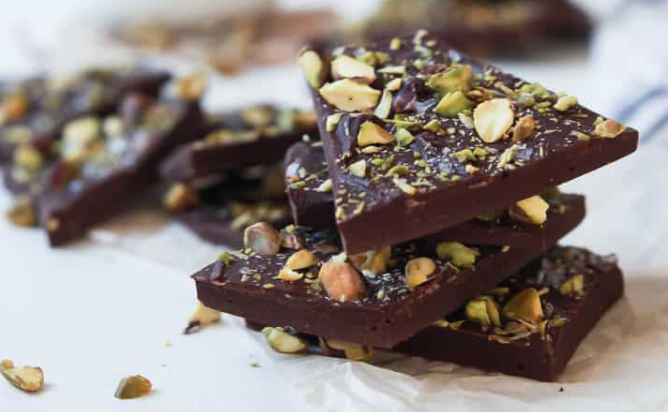
Pistachio Chocolate Bark
Experience the magic of the season with this delightful pistachio chocolate bark. Rich, dark chocolate infused with crunchy pistachios, this bark embodies the essence of the holiday season. An easy-to-make treat that doubles as a delightful homemade gift, bringing joy to every chocolate lover’s heart.
Ingredients:
2 (12-ounce package) semi-sweet or dark chocolate chips
1/4 cup pistachios, roughly chopped
1 1/2 teaspoon course sea salt
Instructions:
Place a sheet of parchment paper on a baking sheet and spray with cooking spray. Set aside.
Melt chocolate chips in a microwave or using a double boiler.
Continue to stir chips with a spatula as they melt.
Line a baking sheet with parchment paper and spread the melted chocolate evenly to about 1/4″ thick.
Sprinkle with course sea salt and pistachios.
Refrigerate about one hour until set, then break into uneven pieces and serve.
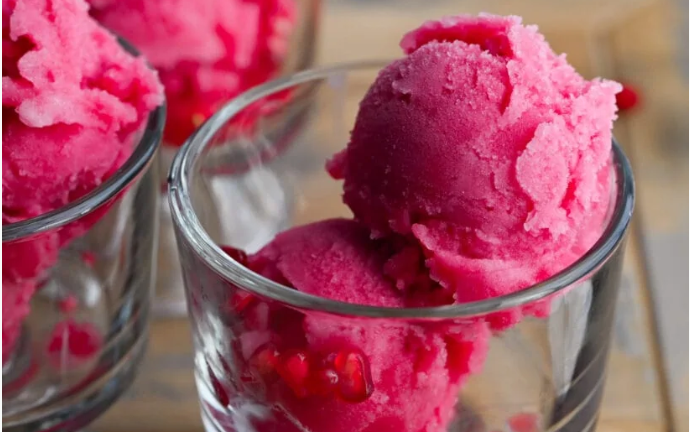
Pomegranate Sorbet
Chill out the holiday heat with a refreshing and vibrant pomegranate sorbet. Bursting with antioxidants and the tangy sweetness of fresh pomegranate, this frozen delight is a delightful palate cleanser between festive courses or a refreshing conclusion to a merry meal.
Ingredients:
3 cups pomegranate juice
1/2 cup maple syrup or agave syrup
Juice of 1 lime
Pomegranate arils for garnish
Instructions:
In a bowl, mix pomegranate juice, maple syrup (or agave syrup), and lime juice.
Pour the mixture into an ice cream maker and churn according to the manufacturer’s instructions.
Transfer to a container and freeze for a few hours until firm.
Serve topped with fresh pomegranate arils.
These dessert recipes offer a delightful twist to the traditional Thanksgiving spread and a blend of festive flavors perfect for the December holiday season while providing healthier alternatives for those looking to indulge without compromising on taste and catering to various dietary preferences. Enjoy spreading the holiday cheer with these guilt-free treats!
Chia seeds, once a staple in the diets of ancient civilizations like the Aztecs and Mayans, have made a remarkable comeback in recent years. These tiny seeds pack a powerful nutritional punch, earning them the title of a superfood. In this post, I will delve into what chia seeds are, explore their numerous health benefits, and discover creative ways to easily incorporate them into your daily diet.
What Are Chia Seeds?
Chia seeds are tiny black or white seeds derived from the Salvia hispanica plant, native to Central and South America. Despite their small oval-shaped size, chia seeds are nutrient-dense and offer a variety of health benefits.
Traditionally, chia seeds were a dietary staple for ancient civilizations like the Aztecs and Mayans, revered for their energy-boosting properties. The name “chia” itself is derived from the Nahuatl word “chian,” meaning oily, a testament to the seeds’ high lipid content.
Today, these tiny seeds have gained modern recognition for their exceptional nutritional profile and versatile culinary applications. Chia seeds are hydrophilic, meaning they can absorb water and form a gel-like consistency, expanding to several times their original size. This unique characteristic not only adds to their culinary appeal but also contributes to their health benefits.
Nutritional Powerhouse
Chia seeds also boast a notable mineral profile, containing essential nutrients like calcium, phosphorus, magnesium, and manganese. These minerals contribute to bone health, regulate metabolism, and support overall well-being.
Rich in Omega-3 Fatty Acids: Chia seeds are an excellent plant-based source of omega-3 fatty acids, essential for heart health, brain function, and reducing inflammation in the body.
High in Fiber:With a high fiber content, chia seeds promote digestive health and help regulate blood sugar levels, making them an excellent choice for those looking to manage weight or diabetes.
Loaded with Antioxidants:Chia seeds are packed with antioxidants that combat free radicals, contributing to overall health and potentially reducing the risk of chronic diseases.
Good Source of Plant-Based Protein: For vegetarians and vegans, chia seeds provide a valuable protein source, aiding in muscle repair and growth.
In addition to their mineral content, chia seeds are a low-calorie food, making them a valuable addition to various dietary plans and an ideal choice for those aiming to maintain or lose weight.
Incorporating Chia Seeds into Your Diet
Embarking on a journey to include chia seeds in your diet is not only beneficial for your health but also surprisingly easy. Whether you are a new to eating as healthier, a culinary novice, or a seasoned chef, the versatility of chia seeds lends itself to a variety of delicious and nutritious culinary creations.
Chia Pudding:Combine chia seeds with your favorite milk (dairy or plant-based) and let it sit overnight. In the morning, you’ll have a delicious and nutritious chia pudding. Customize with fruits, nuts, and sweeteners as desired.
Smoothie Booster:Sprinkle a tablespoon of chia seeds into your morning smoothie or shake for an added nutritional boost. The seeds will absorb liquid and create a thicker texture.
Oatmeal or Yogurt Topping:Enhance your breakfast by sprinkling chia seeds on top of oatmeal or yogurt. This adds a delightful crunch while increasing the meal’s nutritional content.
Baking Ingredient:Incorporate chia seeds into your baking recipes, such as muffins, pancakes, or bread. They add a subtle nutty flavor and a nutritional kick.
Salad Topping:Sprinkle chia seeds on salads for a unique texture and nutritional bonus. They blend well with both leafy greens and fruit salads.
As you experiment with incorporating these tiny seeds into your meals, you’ll discover not only their nutritional benefits but also the delightful ways they can enhance the flavor and texture of your favorite dishes.
Summary
Chia seeds are a versatile and nutritious addition to any diet, offering a range of health benefits. From improving heart health to aiding digestion, these tiny seeds have earned their status as a superfood and it’s evident that these tiny marvels are more than just a trend. With creative and easy ways to incorporate them into your meals, there’s no reason not to embrace the nutritional powerhouse that is chia seeds.
Pain is a common sensation experienced by many people, and it can range from mild discomfort to severe agony. Over-the-counter pain relievers like ibuprofen, acetaminophen, and aspirin are readily available and can be effective in treating mild to moderate pain. Heat and ice may also be applied to relive or reduce pain and so can soaking in magnesium or Epsom salts.
However, some individuals may experience chronic pain that requires additional relief and want to avoid taking prescribed pain meds. One potential option to consider is caffeine, a naturally occurring stimulant found in a variety of sources such as coffee, tea, energy drinks, and dark chocolate, which has been linked to reduce the risk of heart disease, stroke, and certain types of cancer. In addition to this and its well-known effects on one’s energy and endurance, caffeine also has surprising pain-relieving properties and may be a key staple to your pain management treatment plan.
I stumbled upon this discovery to caffeine as a pain reliever personally after finishing an ultra-marathon and continuing to eat one to two packets of Clif black cherry energy blok chews a day, which contains 50 milligrams of caffeine per 2.1-ounce packet. As a non-coffee and non-tea drinker, it was great boost for my morning runs and the perfect lift in the afternoons before an afternoon athletic activity. At the same time, I noticed my longstanding leg and back pain that I had leading up to that race had disappeared post-race and I didn’t know what to contribute as the reason. I had stopped physical therapy and not added any other pain relief treatment. It wasn’t until I stopped taking the energy bloks that the pain soon returned thereafter is when I made the dotted line connection and did some research.
How Caffeine Relieves Pain
It turns out that caffeine has been shown in studies to have pain-relieving effects by blocking adenosine receptors in the brain. Who knew? Adenosine is a chemical that plays a role in promoting sleep and suppressing arousal, and it is also involved in the regulation of pain. When caffeine blocks adenosine receptors, it can reduce the perception of pain.
All of this was quite a surprise finding for me. As a person and athlete who has had my fair share of injuries that have caused pain over the years, my treating healthcare providers and physical therapists have only suggested pain prescriptions (which I always turned down), physical therapy (a hit-or-miss), and sometimes injections (also a hit-or-miss) but never suggested to add caffeinated foods to my daily diet. This, I had to discover on my own.
Caffeine can also enhance and boost the effects of other pain-relieving medications. A study published in The Journal of Pain found that combining caffeine with acetaminophen (the active ingredient in Tylenol) resulted in a more significant reduction in pain compared to acetaminophen alone.
“The involvement of caffeine in pain management has gotten minimal attention in the past, but it is getting more attention now,” wrote Sri Harsha Boppana, Michael Peterson, Austin Du, Simhachalam Kutikuppala, and Rodney Gabriel in the published Caffeine: What Is Its Role in Pain Medicine?, a medical article written with the purpose to clarify the role of caffeine as a pain reliever and to stimulate the interest of researchers like myself.
Safe Daily Intake of Caffeine
While caffeine has benefits like improved mental alertness, enhanced physical performance, reduced risk of certain diseases and pain relief, it is essential to consume caffeine in moderation. It is important to follow the recommended daily intake of caffeine based on your age, gender, and individual tolerance, which is usually specified on the packaging.
The Mayo Clinic suggests that most adults can safely consume up to 400 milligrams of caffeine per day, which is roughly the amount found in four 8-ounce cups of coffee. Studies have found 100 to 130 milligrams of caffeine added to drugs, such as ibuprofen or paracetamol, is a safe and effective dose. If you are consuming caffeinated beverages to alleviate pain, it is recommended to consult with your healthcare provider regarding appropriate dosage. Additionally, some individuals are sensitive to caffeine or have underlying medical conditions and may need to consume less. I, myself, can only tolerant about 100 to 125 milligrams of caffeine total a day.
Sources of Caffeine
Below is a list of beverages and foods containing varying amounts of caffeine. It’s worth noting that the amount of caffeine can vary widely between different brands and types of food and drinks, and can also depend on factors, such as the brewing method or preparation technique.
Coffee drinks: A typical cup of coffee contains around 95 milligrams of caffeine. The caffeine content in coffee can vary depending on the type of coffee bean, brewing method, and serving size. Specialty coffee drinks can contain significantly more caffeine due to added espresso shots or other sources of caffeine.
Teas: The caffeine content in tea can vary depending on the type of tea, the brewing method, and the steeping time. Black tea, which is made from fermented tea leaves, contains around 47 milligrams of caffeine per cup versus green tea, made from unfermented tea leaves, contains approximately 29 milligrams.
Sodas: Sodas, such as colas and other carbonated drinks, often contain caffeine as a flavoring agent and a stimulant. One of the most popular brands, Coca-Cola, offers regular and diet varieties that contain around 34mg and 46mg of caffeine per 12 ounces serving, respectively. Another well-known brand, Pepsi, offers similar caffeine levels in their regular and diet drinks, with around 38mg and 35mg of caffeine per 12 ounces serving, respectively.
Energy drinks and powders: Energy drinks can contain high levels of caffeine, with some brands containing up to 500 milligrams per can. There are many brands on the market, such as Red Bull, CELCIUS®, and Liquid I.V.®. After a bad reaction to Red Bull years ago, I personally stay away from energy drinks and powders.
Energy liquid gels and gel blocks: Energy liquid gels and gel blocks, a popular choice among endurance athletes and runners, contain different amounts of caffeine. One popular brand, GU Energy, offers a “GU Energy Gel” that contains 20mg of caffeine per serving while CLIF offers a “Shot Energy Gel” that contains 50mg of caffeine per serving. Energy gel blocks by Honey Stinger contain around 32mg.
Chocolates: The amount of caffeine in dark chocolate varies depending on the type of chocolate and serving size. The darker the chocolate, the higher the caffeine content. Brands such as Lindt Excellence 85% and Green & Black’s Organic 85% have 23 to 24mg of caffeine per serving. Other brands, such as Hershey’s Special Dark, contain around 20mg.
Ice creams, frozen yogurts and dairy drinks: Caffeine in ice creams, frozen yogurts and dairy drinks is more commonly just adding a flavoring agent like chocolate or coffee rather than for its stimulant properties. Brands include Oikos Pro Fuel (10 milligrams per 10 ounces) and Bang! (125 milligrams per scoop).
Chewing gum: Caffeine in chewing gums is a relatively new product on the market and is a convenient way to consume caffeine on the go. Caffeine amounts greatly vary in the caffeinated gum brands and includes Awaken gum (12 milligrams), Jolt gum (45 milligrams), and Military Energy Gum (100 milligrams).
The Dangers of Caffeine
There is also a flipside to consuming caffeine and it’s important to be aware of caffeine’s potential negative health consequences. Excessive caffeine consumption can have adverse effects on some people, such as restlessness, increased heart rate, and high blood pressure. It may also not be not suitable for those with certain medical conditions such as acid reflux or anxiety disorders who may need to limit their intake or avoid it altogether.
Caffeine can be addictive and disrupt sleep patterns, leading to chronic sleep deprivation like insomnia and additional health problems. When stopping, it can cause withdrawal symptoms such as headaches, fatigue, irritability, and difficulty concentrating. Excessive consumption can also have adverse effects on the cardiovascular system, cause dehydration, worsen psychiatric conditions, and lead to anxiety and panic attacks.
Certain sodas and energy drinks contain very high levels of caffeine and other stimulants, which may increase the risk of adverse effects, like rapid heart rate, high blood pressure, and anxiety. I had bad reactions to Diet Mountain Dew (90milligrams per 20 ounces), which gave me exploding headaches, and Red Bull (80 milligrams per 8.46 ounces), which gave me my first and only case of vertigo after developing a habit of drinking it daily. I stopped cold turkey both and never had the migraine-like headaches or vertigo ever again. (Side note, I immediately sought treatment for vertigo from an ENT specialist and was completely healed after receiving the Epley maneuver.)
Key Takeaways on Caffeine
Caffeine can have surprising pain-relieving benefits, but it is essential to consume it in moderation and to consider other factors, such as potential side effects and interactions with other medications or medical conditions.
If you choose to use caffeine to manage your pain, it is recommended that you first consult with your healthcare provider to determine the appropriate dosage and ensure that it does not interfere with any other medications you may be taking.
Below are five key takeaways to adding caffeine to your diet for pain management.
First and foremost, consult with your GP before adding caffeine to your diet to determine if caffeine is ideal to help alleviate your pain.
Determine which caffeinated food or beverages you will be consuming and if it will be in combination with any caffeinated medications.
It’s crucial to always consume caffeine in moderation. Know your intake limits to caffeine, how much to digest, and how often.
If needly, adjust the amount of your caffeine intake and frequency based on your reaction and results.
If you having any adverse reactions to caffeine, contact your GP immediately before completely stopping as your GP may suggest tapering down your caffeine intake to reduce the possibility of withdraws side effects.
By understanding how caffeine works to relieve pain and being mindful of safe intake levels, you can use this popular stimulant to your advantage.
When The Biggest Loser contestant Rachel Frederickson won Season 15 of the television reality show, the public and the media went on a frenzy – her weight loss gone too far. During the taping of the show and the three months proceeding, the voice-over artist from Los Angeles dropped from 260 to an unrecognizable 105 pounds to claim the season’s crown and $250,000 cash prize. Her astonishing 155-pound weight lost, equivalent to 59.62% of her starting body weight, was achieved from daily six hours workouts and limiting her diet to 1,600 calories a day.
At 5’4” and 105 pounds, 24-year-old Rachel is now the exact same size of me. So of course, I will disagree with the self-claim body critics who will say she’s too thin and that she is anorexic. I like my size. And I think Rachel looks great! I believe it’s perhaps more about the shock of going from an unhealthy, obese body size to where she is today in the rapid speed of time to complete. In just under eight months. Wow! Now that is motivation and discipline. Or is it insanity and starvation?
To be fair, a swift weight loss can occur when a person of obese size stops eating poorly, frequently, and in overly amounts with little or no exercise in their day-to-day life and instead switches to eating wisely and healthy with the right foods in the right amounts and with an exercise program approved by their physician or personal trainer. The pounds can drop off. Easily 10 or more a week initially, depending on your starting size, and less as time passes. And of course, results are even quicker when you are on a national television show and have the constant support and guidance from a personal trainer and dietician.
So for those who aren’t cast on a weight lose show, what is a good rule of thumb to follow when it comes to losing weight? How much is too much and how much is too little? How much should you lose versus can lose?
There is no perfect answer to these questions since there are several baseline factors to consider. Starting weight. Goal weight. Metabolism. Genetics. Health conditions. Diet restrictions. Discipline. Exercise regimen. Support system. Lifestyle. Environment. And more.
However, if you want to lose weight and keep it off, your goal should be just one to two pounds a week. That’s all. It may not sound like a lot, but remain patient, dedicated, and consistent and you will see your hard work will pay off over time. Plus losing weight at a slow steady pace reduces the risk of unwanted side effects and increases the likelihood that you will be able to keep the weight off long term, like with The Biggest Loser Season 1 winner Ryan Benson, who started at 330, dropped to 208 and is now at 300 and Season 3 winner Erik Chopin, who began at 407, plummeted to 193 and is back up to 368.
Rapid weight loss is unhealthy and ineffective. It can cause dehydration, fatigue, dry skin and nails, hair loss, bloating, constipation, gallstones, iron and nutrient deficiencies, mineral loss, liver damage, heart disease, osteoporosis, and more. And if you are losing more than a couple of pounds a week, your body perceives it’s in starvation and will start burning muscle for needed fuel and energy. With less muscle mass, your metabolism automatically slows down and burns fewer calories.
As with any weight loss plan, consult with your primary physician first and request a complete physical before dieting. He or she can help you select a diet plan that is right for you and the correct amount of calories. Discuss an exercise program that is appropriate for your age, existing, fitness level, and goal. Finally, keep a dairy to help with your own personal weight loss journey. Track your daily food intakes and times along with the triggers that cause you to want to eat outside your meals and snacks. Document your exercise regimen, nightly hours of sleep, and your daily stress levels. Collectively, this will reveal your best recipe for your weight loss.
Sometimes it’s the little things in life that counts and adds up to make a difference. Or another way to look at it, baby steps people! I’m referring to making small subtle changes to your daily diet to get you started to eating healthier. It’s how I started many years, and what I suggest to those who inquire how I reached my healthy eating levels of today.
Below are 15 simply changes you can do to your diet today that matter and will make a positive difference with your health and well-being.
#1. Eat within one hour of waking up in the mornings. While sleeping, your metabolism slows down, your body temp lowers, and your blood sugar level drops to conserve energy. To restart your engine and lower your risk for weight gain and obesity, eat a balance meal of lean proteins, complex carbs, and healthy fats within an hour of waking.
#2. Chew your food 30-50 times per mouthful. Chewing food thoroughly has several benefits, such as improving your digestion, eliminating bad breath, preventing excessive gas, and strengthening the immune system. It also takes up to 20 minutes for your brain to get the signal that your stomach is full. So between bites, place your utensil down and savor the moment.
#3. Avoid the whites: flour, sugar, salt, rice, potatoes and mayonnaise. Yes, don’t pass the salt, skip the sugar, and avoid white flour and mayonnaise. Yes, this means white pasta, white bread, and baked goodies made with white substances. All of these foods are absorbed quickly and cause a rapid spike in your blood sugar, which can result in weight gain plus is linked to an increased risk of diabetes and heart disease.
#4. Eat protein with every meal. Protein satisfies hunger and boosts metabolism. If you don’t eat enough, your body breakdowns and burns muscle to compensate which you want to avoid. For each meal, consume enough protein fitting the size of your palm; a total daily intake of ~46g for women and ~56g for men depending on your age, situation, and activity level.
#5. Stop eating processed food. Skip the convenience and forget the delish taste. Eating processed food is not worth you ingesting, doing more harm than good, loaded with preservatives, unnecessary carbohydrates, trans fats, extremely high levels of sodium, and often high fructose. Processed meats come full of synthetic chemicals, many of which are potentially carcinogenic. Need more be said?
#6. Pack your lunch. Not only will it save on your wallet, but your body will thank you. If you typically grab fast food or sit down at a restaurant with coworkers or clients, you are most likely eating more fat and calories than you need or realize. Instead, pack your lunch and know exactly what you are eating. It may take extra time in the mornings, but it’s well worth it in the long run.
#7. Don’t eat lunchmeat or hot dogs. Sorry ballpark hot dog fans, this is one treat to avoid. Any meat that is salted, cured, smoked, or preserved with nitrate is considered processed. This includes bacon and sausage. As mentioned in tip #5 above, they are full of synthetic chemicals and are possibly carcinogenic. They are also usually high in fats and salt, which means they are not heart-friendly, either.
#8. Carry and drink fresh H2O. Pass on the sodas and fruit drinks. Instead swig half your body water in water in ounces of water everyday. Not only is water is one of the best tools for weight loss, it flushes out toxins and waste products, reduces the risk of a heart attack and colon cancer in addition to keeping you hydrated, nourishes your skin, and facilitates your athletic activities among other numerous benefits.
#9. Pass on unhealthy trans fats. These are the bad guys, primarily found in foods containing margarine or vegetable shortening, such as fried foods, baked goods, packaged snacks, fast foods, full-fat cheeses, and lard. These man-made fats raise LDL cholesterol levels while lowering HDL cholesterol, increasing your risk of a heart attack, stroke, and possibly type two diabetes. Instead, choose foods with monounsaturated or polyunsaturated fats, including olive and canola oils, almonds and other nuts, seeds, avocados, and fatty fish, such as salmon.
#10. Eliminate red meat, now. Numerous studies year after year show a direct line with red meat consumption to diabetes, heart disease, cancer and other life-threatening conditions. This includes beef, pork, and lamb meats, which are all high in saturated fat and cholesterol. Most are filled with nitrates and have dangerous chemicals when cooked at high temps. Substitute your servings with fish and poultry.
#11. Eat every couple hours. Your body is like a clock. Eating every 2-3 hours will keep your metabolism high and your insulin levels stable, which in return keeps your energy up and your hunger under control. Going long periods without food can result in a breakdown and loss of muscle tissue, resulting in a slower metabolism, and a gorge out on your next meal.
#12. Pack a snack. Ever find yourself hungry when on the go? When this happens and you have nothing on hand, making a quick stop to grab a healthy snack can be challenging as you drive by fast food eateries or are tempted by the aroma of sweet treats when in a shopping mall. So before heading out, take along your favorite protein bar, a small bag of nuts, or grab an apple, pear, or banana to keep your metabolism going and ward off hunger.
#13. Eat fish 3 or more times per week or take a daily fish oil supplement. Protein packed, vitamin rich and low in saturated fat, fish is also great brain food. Most fish, such as salmon, tuna, and trout, contain omega-3 fatty acids, which keep arteries free of blockage, lower blood pressure, reduce inflammation, and aid in brain development and memory. The omega-3s will also decrease your risk of heart disease, stroke, arthritis, diabetes, and cancer.
#14. When your hunger stops, stop eating. No, you do not have to finish all the food on your plate and not after that feel so full you could burst feeling. Goodness knows that many restaurants today super-size their servings. Once your hunger is satisfied, it’s time to put down the fork and ask for a container to take the balance home.
#15. Don’t eat past 7:00 pm. A good rule of thumb to follow is to stop eating 3-4 hours before retiring to bed. After eating, it takes about 6-8 hours or more for food to pass through your stomach and small intestine, depending upon the type. Only a couple of hours after dinner, your body naturally begins preparing for sleep with a reduced metabolism and storage of fat recently consumed. The only calories you body needs are the basics to keep your heart beating, your lungs breathing, and your eyes moving in REM sleep overnight.
I can easily give you another 15 changes to make to your diet, but let’s start with these. Add in daily exercise to the above and you are off to a good starting plan you can follow and build on for the rest of your life.
For most of the country, the winter this year was a very mild one, especially when compared to the past couple years. With little snow on the ground and the temperatures mild for most of the season, many were able to continue cycling and running outdoors while skiers, borders, and ice skaters had to search for places with enough snow and ice to make their sports happen.
With the winter months now behind us and spring in the process of blooming, it’s also time to take a look at our bodies to see if it’s ready to hit the beach in its fineness. Despite the lack of snow, many still had the internal instinct to eat more during the winter months. The shorten days of less daylight also decreased the energy for many, causing some to shorten or skip their workouts all together.
First up, get on the scale! What is your weight compared to the end of last summer? Have you gained a few extra pounds from the holiday treats or were you able to maintain your weight? Next, try on some of your summer outfits. How do they fit? If all is good, they don your favorite swimsuit. Any bulges? How is your middle looking? Arms? Shoulders? Butt? Any jiggle or wiggle? Is there room for improving, perhaps in your overall body tone and muscle definition?
Now, set your goals. Do you want to lose, gain or maintain? Have a favorite outfit you want to fit into again? Perhaps you want your abs defined a little more or your arms more muscular. Whatever it is, get a journal and write down where you are today and where you want to be in three months. Try to make your goals realistic and achievable.
Next, build your plan of action. Make it a winning combination of dieting and workouts. Be sure to include both weight lifting and cardio to help drop the pounds and tone up. Watch the starchy carbs and unnecessary foods with empty calories.
Need some suggestions? The next series of blogs string together a 12-week plan that, if followed properly, should put your body in better form through the combination of dieting and working out. Twelve weeks is a nice span of time to set your short term goals with enough planned time to notice a positive change. Also, check with your physician before starting if you have any injuries or illnesses.
So stay tune! You may additionally want keep a workout journal to track your progress and keep you on goal.
Yesterday was my birthday; I turned 40-something. I wasn’t ashamed to admit my age to those around me since I very easily look 10 years younger. Whenever I tell my age, all respond, “Noooo! Really?” in total disbelief, which of course puts a grin on my face as it would anyone hearing those words.
In celebration of my special day, I took myself shopping to some of my favorite clothing stores. I easily slipped into my standard XS or size 0. While changing in the dressing room, I smiled to myself and felt very blessed as my body still looks only 25 with its firmness and sleekness.
At 5’4″, I weigh 100-105 pounds. I am very tone and still very solid with just the right amount of muscle definition; not to the point I look like a body builder, but to the point one can tell I go to the gym regularly. No belly fat. No saddle bags. No double chin.
My facial skin shows no wrinkles, only a hairline which no one else notices but me. My Italian olive skin keeps a year round slight tan while my dark chocolate brown hair falls past my sculpted shoulders. And to top off my younger-than-my-age look, I dress the latest fashions and keep my hair cut to current trends.
So how do I do it? Besides dressing the part, how do I stay so young and fit looking? What are some of my secrets that have defied the aging process? What is my regimen like to achieve such lasting results?
Well, there’s a lot that goes into it how I have evolved to where I am today. All has been a way of life for me from the very beginning, with my parents’ own healthy ways, and have continued to develop throughout my life. I fell in love with sports and fitness at a very young age, so working out is like playing to me. I have never smoked, rarely drink alcohol and always pay attention to health in the news. I also maintain a balanced lifestyle of work, family and fun with as little stress as possible.
My Schedule. I am Type A and have an enormously high energy and endurance levels as anyone close to me can vouch. I am ambitious, driven and determined; the Energizer Bunny without any given caffeine. Here’s a quick rundown of what I do weekly to stay fit. I run six days, lift three to four, abs six to seven days, yoga one to three times a week, Pilates three times, cycling once, swimming one to three times, and finally boot camp and lift-it classes once a week each. Yes, that’s all in one week. Yes, I do have a full-time job and thensome. Maintaining my workout regimen is a priority for me. I love doing it and I love the payoffs.
Running. This is my number one, must do workout activity. If I just have 30 minutes to workout, this is how I will spend it. Depending on my availability and if I’m on a treadmill versus outside, I run 4-5 miles a day, six days a week. If I am training for an event like I am now, then one of the days I will reserve for a long run and run a higher mileage based on my planned out schedule. I prefer to run outside as I enjoy the fresh air and scenery and like the end results I see on my body better. I do believe running outdoors versus on a treadmill are two different types of running (like swimming in a pool versus the ocean) and exert certain leg muscles differently.
Abs. I love working my abs and do so almost daily. I start out with a warm up, 100 crunches on a fitness ball followed by 25 sit-sups with a six pound medicine ball, twisting my torso side-to-side when I’m in the almost upright position. Next, 300 straight on crunches with my legs at three varying angles to catch the three areas of my abs. Then 200 crunches on the ground with my lower torso turned 90 degrees left, then another 200 twisted right. This is followed by 300 sit-ups with bent knees and hands behind my head. In between each 100, I do 25 reps of hand reaches. I wrap up with three sets of toe-to-toe beats while still on my back, then I flip over for planks. Remember, good form is very key and pulling your belly button to your spine at all times is a must or else you will build out.
Check back next week when I continue to share how I stay fit and young looking. I’ll discuss what I do for weight training, fitness classes, swimming, cycling, diet, skincare and sleep.














 Fit Past 40 Blog