• About the Blogger
  • Healthcare Disclaimer

Fit Past 40 Blog

~ Tips to stay fit, healthy, and young-looking

Fit Past 40 Blog

Tag Archives: Weight loss

Unlocking the Decade Beyond 40: 10 Ways to Maximize Longevity and Well-being

08 Monday Jan 2024

Posted by Adriana Falco in Anti-Aging, Diet, Exercising, Health and Wellness, Nutrients, Nutrition, Paleo, Setting Goals, Superfoods

≈ Leave a comment

Tags

Aging, anitaging, Caveman Diet, diet, Fitness, Health, Nutrition, Paleo, Weight loss, Wellness
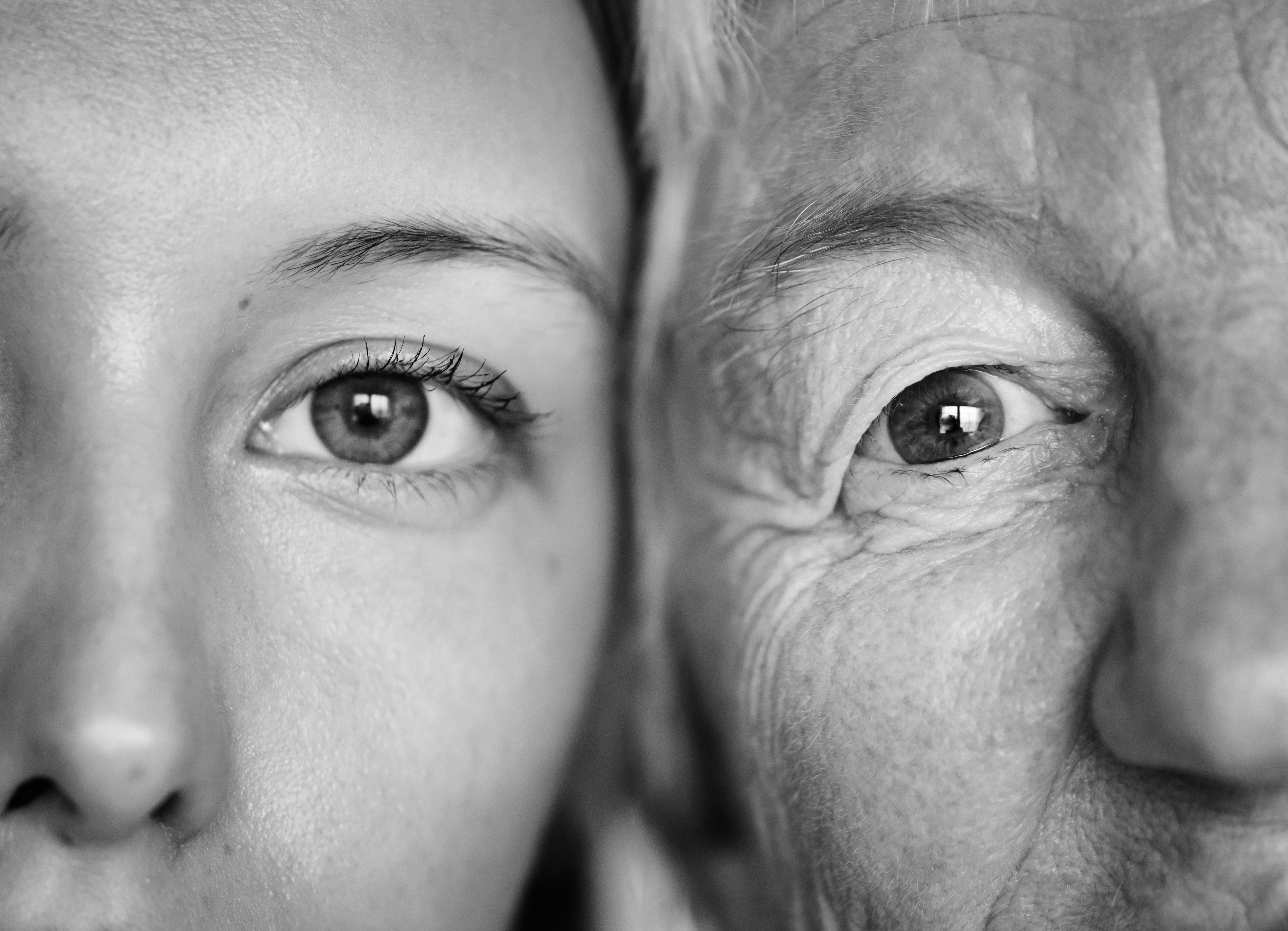
“Beautiful young people are accidents of nature, but beautiful old people are works of art.” — Eleanor Roosevelt

As we age, it is often not until then that many of us start to become more self-conscious about our health, wellness, and longevity as we look in the mirror and may feel like we are not able to do the same things or feel the same as our younger years.

Luckily, in a time where people are living longer, aging well involves making smart choices, being proactive, and navigating health risks. Genetics clearly play a role, but lifestyle decisions can impact and be a significant role in prevention, management, and ideally maximizing the quality of life regarding health and wellness.

Living Longer

Just a short century ago, life expectancy was closer to 54. But today, people are living longer with many living past the age of 90. Legendary celebrities well into their 90s and still going strong include 92-year-old William Shatner, 93-year-old Clint Eastwood, 95-year-old Ruth Westheimer (aka “Dr. Ruth”), and 98-year-old Dick Van Dyke.

In 2021, there were 89,739 centenarians living in the US, nearly twice as many as 20 years ago, per the Population Division of the United Nations. Per Guinness World Records, Californian Maria Branyas is currently 116-years-old (b. March 4, 1907) and took the title of the world’s oldest verified living person earlier in 2023 after the passing of Sister André, a French supercentenarian who lived to 118 years and 340 days.

What about Dan Buettner’s “The Blue Zones”? His book published years ago, and the movie version was recently on Netflix earlier this year. Is there truth in the various methodologies and secrets from those becoming centenarians around the globe who live in the so-called “blue zones”– from how they live, what they eat, their exercise habits, and ways coping with stress?

10 Pillars to Healthy Aging

As the years unfold beyond age 40, the question remains, ‘How can I extend my lifespan and gracefully age and navigate the later years?’

Below are 10 major pillars to keep in mind for healthy aging—nutrition, diet, alcohol and drugs, hormone health, specialists, risk monitoring, exercise, mental stimulation, sleep, and stress—to maximize longevity and well-being. Always consult with your physician and dietitian when making changes to your daily health and diet regimen.

1—Nutrition: Keeping a Watchful Eye

We are what we eat so always be certain to know what is in the platter you just ordered in the restaurant and what ingredients are in that box of cereal you are pulling off the grocery shelf. Reading labels and knowing what you are putting in your mouth is very important as many keep one eye shut when indulging.

The time is now if you don’t already aware you are exactly digesting as it’s never too late to discover the power of nutrition and the impact and healing power it has on your mind and body. Below is just a snippet on nutrition as we age. B vitamins, magnesium, vitamin D, and protein are essential nutrients to elevate brain health, support muscle vitality, and promote graceful aging. There are many more.

  • B Vitamins: Dive into the research-backed benefits of B vitamins, addressing cardiovascular and neurological conditions. Incorporate sources like meat, dairy, seafood, leafy greens, and whole grains, or explore B complex vitamin supplements.
  • Magnesium: Combat the challenges of magnesium absorption as you age. Explore magnesium-rich foods like spinach, avocado, dark chocolate, beans, and nuts. Consult with your physician if magnesium deficiency concerns arise.
  • Vitamin D: Uncover the potential of vitamin D in addressing age-related health concerns. Embrace fortified foods like milk or mushrooms and discuss supplementation options with your healthcare provider.
  • Protein: Navigate muscle mass decline with optimal protein intake. Aim for 1.2–2.0 grams per kilogram of body weight daily to support your body’s evolving needs.

As mentioned above, consult with your physician or dietitian to create a plan that supports overall health and addresses specific conditions. This could involve incorporating new nutrient-rich foods into your daily diet and avoiding those that may exacerbate a condition.

2—Diet: You Are What You Eat

One of the cornerstones of a healthy life beyond 40 is a well-balanced and personalized diet. Consider a diet that is right for you—Atkins, keto, Mediterranean, paleo, intermittent fasting, and others—and a diet that aligns with your health conditions or risks. Whether it’s high blood pressure, diabetes, or heart disease, your diet plays a crucial role.

Also, if you don’t already, consider eating “in” more than eating “out.” Restaurants can easily hide unhealthy fats, high amounts of sodium and seasonings, and other hidden ingredients that you would otherwise avoid when cooking at home.

  • High Blood Pressure: If you’re at risk of or dealing with high blood pressure, focus on a diet rich in potassium, magnesium, and fiber. Cut back on sodium and processed foods. Consult with your healthcare team to find the right balance for you.
  • Diabetes: For those with diabetes or at risk, prioritize complex carbohydrates, fiber, and lean proteins. Monitor your carbohydrate intake and consider the glycemic index of foods. Work closely with your healthcare team to manage your blood sugar levels effectively.
  • Heart Disease: A heart-healthy diet includes plenty of fruits, vegetables, whole grains, and lean proteins. Limit saturated and trans fats, cholesterol, and sodium. Collaborate with your healthcare provider to build a diet that promotes heart health.

Remember, your dietary choices are a powerful tool in shaping your health. Consultation with your physician or dietitian ensures a personalized approach that aligns with your unique needs. Let your diet be a source of nourishment, vitality, and resilience as you navigate the years beyond 40.

3—Alcohol and Drugs: Don’t Help You Age Well

As you journey through life past 40, understanding the impact of alcohol and drugs on your health becomes increasingly vital. While moderation might have been a more lenient guide in younger years, the consequences of substance use can significantly affect overall well-being as you age.

Moderation is key when it comes to alcohol consumption. Aging bodies metabolize alcohol differently, leading to increased sensitivity and potential health risks. Excessive alcohol intake can exacerbate conditions like high blood pressure, liver disease, and weaken the immune system.

Prolonged and excessive alcohol consumption can indeed harm brain cells. Chronic alcohol use disrupts neurotransmitters, damages brain cells, and impairs communication between neurons. This interference with brain function can lead to memory problems, decreased cognitive abilities, and even contribute to conditions like Wernicke-Korsakoff syndrome, characterized by severe memory loss.

The effects of drugs, whether prescription or recreational, can magnify with age. It is crucial to adhere strictly to prescribed medications and avoid recreational drugs. Drug interactions, reduced metabolism, and increased susceptibility to side effects pose greater risks as you age.

Alcohol and drug misuse can have a profound impact on physical health. They may exacerbate existing health conditions such as cardiovascular disease, liver disorders, and weaken the body’s ability to recover from illness or injury. Substance misuse can impair cognitive function and exacerbate age-related cognitive decline. Long-term alcohol abuse, for instance, can lead to memory problems and impairments in decision-making abilities.

Excessive alcohol consumption and drug use can exacerbate mental health issues such as anxiety and depression. They might also interfere with medications prescribed for mental health conditions. Additionally, alcohol and certain drugs can interact with prescribed medications, reducing their efficacy or causing adverse reactions. Always consult healthcare professionals to understand potential interactions and risks.

For those who choose to drink alcohol, be aware of the recommended limits and consider the impact of alcohol on your health. It is crucial to be mindful of the potential risks associated with drug use and seek guidance from healthcare providers for any concerns.
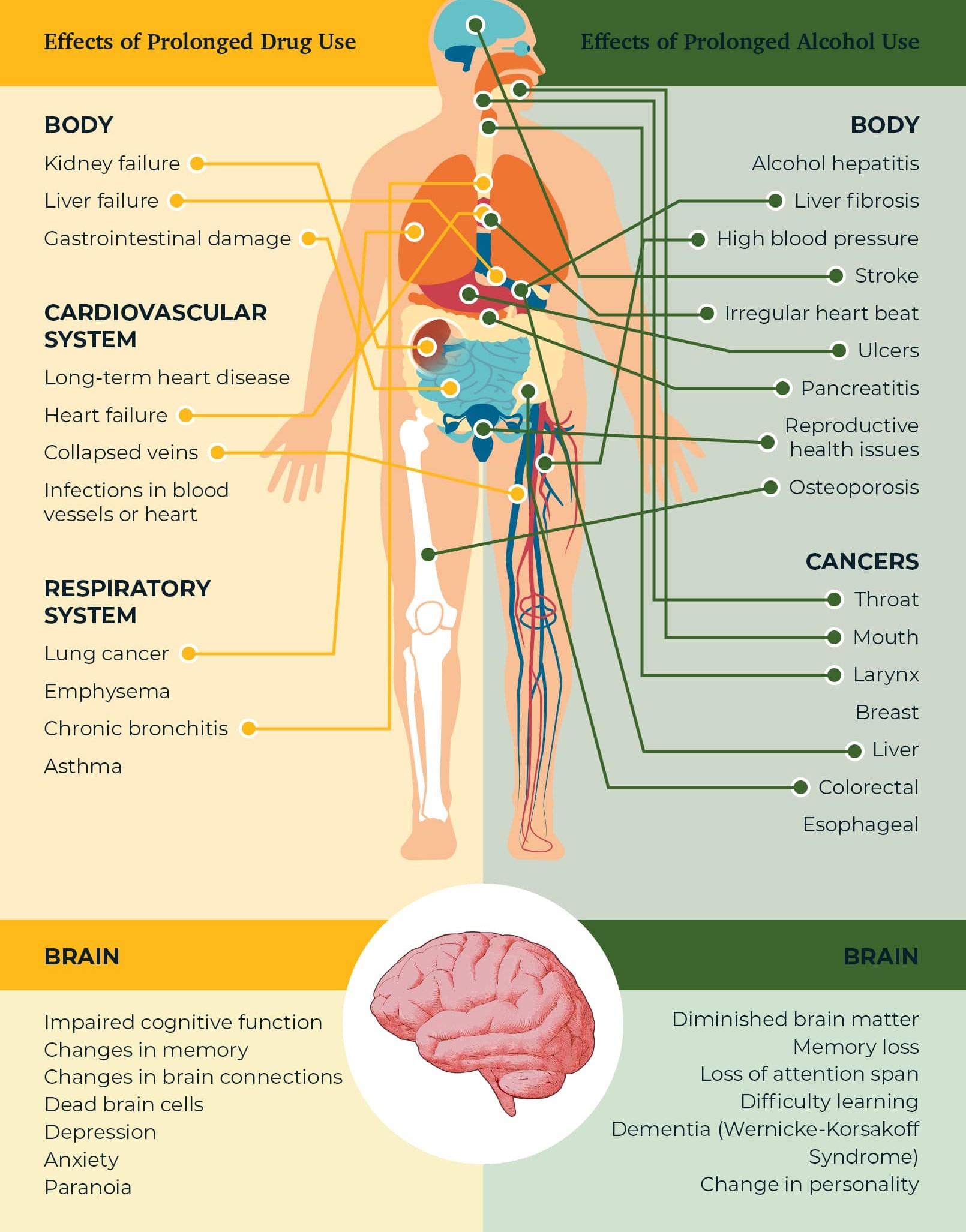
Long-term health effects of prolonged drug and alcohol use: Wyoming Recovery.

4—Skincare: Have Radiance in Aging Gracefully

As you embrace life beyond 40, skincare continues to be a very important of your daily care regimen. Aging brings forth changes in skin texture, elasticity, and moisture retention. Collagen and elastin production slow down, leading to fine lines, wrinkles, and sagging. Environmental factors, lifestyle choices, and genetics further impact your skin’s health.

Aging gracefully will involve your conscious decision to nurture your body from within and caring for the outer shell that mirrors your vitality. Afterall, our skin is your body’s largest organ, requiring ongoing tailored attention and nourishment.

  • Tailored Skincare Regimens: Crafting a personalized skincare routine becomes paramount. Consult with dermatologists or skincare specialists to curate a regimen that addresses your skin’s unique needs. Focus on gentle cleansing, hydration, protection from UV rays, and targeted treatments to address specific concerns like age spots or uneven tone. For the women, I use Meaningful Beauty and love the results. I also apply a retinol.
  • Hydration and Moisture: Maintaining skin hydration becomes essential. Opt for hydrating serums, moisturizers, and products containing hyaluronic acid or glycerin to replenish moisture and enhance skin elasticity.
  • Sun Protection: Always shield your skin from harmful UV rays. Incorporate broad-spectrum sunscreen with at least SPF 30 into your daily routine to prevent premature aging, sunspots, and skin damage. Wear a hat and sunglasses and wear UV protective clothing if you plan to be outdoors in the sun for an extended period.
  • Targeted Treatments: Consider specialized treatments like retinoids, antioxidants, or peptides to stimulate collagen production, minimize fine lines, and improve skin texture. These targeted interventions aid in preserving youthful radiance and skin resilience.
  • Lifestyle Impact: A healthy lifestyle—nutrition, hydration, exercise, and ample sleep—directly influences skin health. Adequate hydration and a balanced diet rich in antioxidants, vitamins, and omega-3 fatty acids support skin vitality.
  • Self-care Rituals: Beyond skincare products, integrate self-care rituals into your routine. Stress management, mindfulness practices, and adequate rest contribute to overall skin health and radiance.

By embracing a dedicated skincare approach, you nurture not only your skin but also your well-being. Let skincare be a celebration of self-care—a testament to the beauty that resonates from within as you navigate the journey of graceful aging beyond 40.

5—Stress: Reduce and Remove

As life unfolds beyond the age of 40, managing stress becomes pivotal for overall health and well-being. Stress, if left unchecked, can exert a profound impact on physical health, mental well-being, and the ability to navigate the challenges of aging gracefully. Understanding its effects and adopting effective strategies to alleviate stress is essential for a fulfilling life journey.

Chronic stress can take a toll on the body and mind. It contributes to elevated blood pressure, weakens the immune system, and increases the risk of cardiovascular diseases. Stress also impacts the brain and mental health, leading to anxiety, depression, and cognitive decline over time.

Listed below are a few ways to relieve stress:

  • Get a daily dose of fresh air. Being outside can increase the oxygen levels in your brain, which boosts serotonin levels.
  • Find release through exercise. Exercise is a powerful stress reducer, releasing endorphins that elevate mood and reduce stress hormones.
  • Maintain a healthy diet. A healthy diet provides nutrients to properly cope with difficult emotions. Eat a balanced diet that includes fruits, vegetables, and lean protein.
  • Get a good night’s rest. Getting more sleep is a top recommendation by the American Psychological Association for decreasing anxiety.
  • Mind over matter. Your mind is a powerful thing. Incorporate mindfulness thinking into your daily routine and when placed in stressful situations.
  • Detox your life. If possible, distance yourself or remove causes of stress. Establish boundaries. Learn to say no when necessary and delegate tasks.  
  • Build a support system. Sharing feelings and experiences can offer comfort, advice, and different perspectives, reducing feelings of isolation and stress
  • Seek professional help: If stress becomes overwhelming or persistent, seek guidance from healthcare professionals or therapists.

Recognizing the impact of stress on health and adopting proactive measures to mitigate its effects fosters not only physical resilience but also emotional and mental well-being. Prioritize stress reduction as an essential component of your journey beyond 40, allowing yourself the gift of a balanced and fulfilling life.

6—Specialists: Balance Out Your Care Team

Assembling a proactive care team beyond your primary care physician becomes paramount for nurturing comprehensive health and well-being. Integrating specialists into your healthcare regimen allows for a multifaceted approach, addressing specific concerns and aiding in the proactive management of potential health risks as you embrace life past 40.

Tailor your approach based on personal and family history. You need to be your own self advocate when it comes to your health. Physicians you may want to consider placing on your preventive care time may include a cardiologist, endocrinologist, dermatologist, cardiologist, gynecologist, urologist, ophthalmologist, dentist, gastroenterologist, rheumatologist, and others.

By incorporating specialists into your care team, you empower yourself with tailored guidance, screenings, and interventions specific to various aspects of health. This proactive approach fosters early detection, timely interventions, and a comprehensive strategy to promote holistic health and well-being as you navigate life beyond 40.

7—Risk Monitoring: Stay a Step Ahead

Regular screenings and preventive tests are essential components of proactive health care beyond 40. Early detection through screenings allows for timely interventions, potentially preventing the progression of diseases or identifying health issues in their nascent stages when treatment is most effective. The “new” may be as simple as including bloodwork or multiple tests based on your genetic makeup, family history, and lifestyle.

A short list of available preventive tests:

  • Bone Density Scans: Assess bone health and risk of osteoporosis
  • Calcium Score Tests: Evaluates coronary artery calcification, aiding in the assessment of heart disease risk
  • Colonoscopies: Detects colorectal cancer or precancerous polyps and facilitates early intervention of colorectal cancer
  • Mammograms and Pap Smears: aids in early detection of breast cancer and cervical abnormalities for women
  • Prostate-Specific Antigen (PSA) Tests: Assists in detecting potential issues for men
  • Thyroid Function Tests: Evaluate thyroid hormone levels and detect thyroid disorders
  • Skin Cancer Screenings: Assists in identifying potential skin cancers or abnormalities

The below infographic illustrates further tests but does not represent a complete list of all available health screenings and is an approximate timeframe. The age and frequency of screenings can change based on your own personal health risks and family history. Always talk to your physician to determine which tests are right for you.

Being proactive is critical. By staying vigilant with risk monitoring and adhering to recommended screenings, individuals can proactively safeguard their health, mitigate risks, and enhance the prospects of a healthier, more fulfilling life beyond 40.

A guide to health screenings in your 40’s. Source: Tri-City Medical Center.

8—Exercise: Keep on Moving

Prioritizing exercise as a regular part of life beyond 40 not only nurtures physical strength and resilience but also fosters mental clarity, emotional well-being, and a longer, more vibrant life. It is a gift to yourself—a commitment to health, vitality, and the pursuit of a fulfilling journey through the years.

Exercise boosts metabolism, aiding in better digestion, nutrient absorption, and energy expenditure. Regular exercise also strengthens the heart muscle, improves circulation, and lowers the risk of cardiovascular diseases such as heart attacks and strokes. Physical activity aids in weight management by burning calories and preserving muscle mass. This helps in controlling weight gain and maintaining a healthy body composition. Weight-bearing exercises like walking or weightlifting contribute to bone density, reducing the risk of osteoporosis and fractures.

Mentally and emotionally, regular exercising supports brain health and enhances cognitive function, reduces anxiety and depression, facilitates deeper and more restorative sleep, contributing to overall well-being.

You don’t need to run marathons and hit the gym seven days a week. Even just short, intense bouts of exercise can make a significant impact. Find activities you enjoy and make them a habit then witness the transformative effects on your overall well-being.

Whether it’s a brisk walk, a yoga class, refreshing swim, or strength training, find what suits you best and try to stay active at least 30 minutes a day with your various choices. Change your selections as the seasons change and allow exercise to be a cornerstone of your journey to a vibrant life beyond 40.

9—Mental Stimulation: Keeping Your Brain Young

Amid the journey beyond 40, mental stimulation emerges as a key element in preserving cognitive vitality and fostering a youthful mind. Engaging your brain in stimulating activities is akin to nurturing a timeless treasure—keeping your mental faculties sharp and adaptive.

Here are a few ways to sustain brilliance as you age:

  • Continuous Learning: Challenge your mind with novel pursuits. Consider enrolling in online or onsite classes, learning a new language, or exploring topics that intrigue you. Continuous learning stimulates neural connections, enhancing cognitive agility and creativity.
  • Intellectual Hobbies: Pursue hobbies that engage your intellect. Reading, solving puzzles, playing strategy games, or engaging in arts and crafts not only entertain but also bolster cognitive reserves and problem-solving abilities.
  • Social Engagement: Interacting with others stimulates the brain. Engage in social activities, join clubs, have lunch with friends, or participate in group discussions. Social engagement sharpens communication skills, fosters empathy, and stimulates various regions of the brain.
  • Mindfulness and Meditation: Practicing mindfulness and meditation fosters mental clarity and resilience. These practices will relax you, reduce stress, improve concentration, and cultivate a calm and focused mind, enhancing overall brain health.

By actively engaging your mind through diverse and intellectually stimulating activities, you preserve cognitive agility and foster resilience against age-related decline. Embrace these strategies as tools to nurture a youthful mind and relish the timeless brilliance that accompanies you on the path beyond 40.

10—Sleep: The Need to Recharge

Sleeping is vital. It not only repairs your body overnight but consolidates your memory and enhances your cognitive performance for the next day. Experts recommend that adults age 40 to sleep between 7 to 9 hours a night.

Adults who sleep less than seven hours a night may have more health issues than those who sleep seven or more hours a night. One of three Americans have a sleep deficit, per the US Centers for Disease Control and Prevention. You don’t want to be one of them as the quantity and quality of sleep is a non-negotiable aspect of a healthy and prolonged life.

In a study as part of the National Health Interview Survey by the CDC and the National Center for Health Statistics involving around 172,000 people who answered sleep questionnaires between 2013 and 2018, those with the highest quality sleep measures live significantly longer.

How? By establishing a regular sleep routine, reducing caffeine and alcohol intake, and unplugging from devices an hour before bedtime are simple yet powerful practices to enhance your sleep quality, which have proven to add nearly five years to a man’s life expectancy and almost 2.5 years to a woman’s life.

Let sleep be your ally in the pursuit of a longer and more fulfilling life beyond 40. Prioritize deep and restorative sleep as they contribute not only to physical rejuvenation but also to cognitive vitality. Establish a consistent sleep routine, your limit caffeine and alcohol intake, and power down electronic devices an hour before bedtime.

The seven side effects of sleep deficiency. Source: Vanderbilt Health.

Summary

The above outlines 10 key pillars for healthy aging, covering nutrition, diet, alcohol and drug moderation, skincare, stress management, specialized care teams, regular screenings, exercise, mental stimulation, and quality sleep. Each pillar advocates for personalized approaches and highlights the significance of consulting healthcare professionals for tailored guidance, underscoring the importance of informed decisions in promoting a longer, more fulfilling life beyond the age of 40.

Hence, the most important takeaway is consulting with your healthcare professionals for personalized advice and interventions tailored to your needs and health conditions as you age. Be proactive. Become knowledge. Build your roadmap.

Be Fit. Be Strong. Be Well.
Adriana
Share this:

  • Click to email a link to a friend (Opens in new window) Email
  • Click to share on Facebook (Opens in new window) Facebook
  • Click to share on LinkedIn (Opens in new window) LinkedIn
  • Click to share on Pinterest (Opens in new window) Pinterest
  • Click to share on Pocket (Opens in new window) Pocket
  • Click to share on Reddit (Opens in new window) Reddit
  • Click to share on X (Opens in new window) X
  • Click to share on Tumblr (Opens in new window) Tumblr
  • Click to print (Opens in new window) Print
Like Loading...

How Fast is Too Fast for Weight Loss

17 Monday Feb 2014

Posted by Adriana Falco in Diet, Health and Wellness, Metabolism, Muscles, Nutrition

≈ Leave a comment

Tags

diet, Rapid Weight Loss, Weight loss

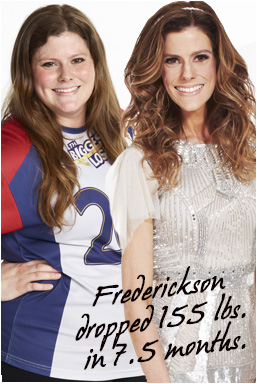
week94When The Biggest Loser contestant Rachel Frederickson won Season 15 of the television reality show, the public and the media went on a frenzy – her weight loss gone too far. During the taping of the show and the three months proceeding, the voice-over artist from Los Angeles dropped from 260 to an unrecognizable 105 pounds to claim the season’s crown and $250,000 cash prize. Her astonishing 155-pound weight lost, equivalent to 59.62% of her starting body weight, was achieved from daily six hours workouts and limiting her diet to 1,600 calories a day.

At 5’4” and 105 pounds, 24-year-old Rachel is now the exact same size of me. So of course, I will disagree with the self-claim body critics who will say she’s too thin and that she is anorexic. I like my size. And I think Rachel looks great! I believe it’s perhaps more about the shock of going from an unhealthy, obese body size to where she is today in the rapid speed of time to complete. In just under eight months. Wow! Now that is motivation and discipline. Or is it insanity and starvation?

To be fair, a swift weight loss can occur when a person of obese size stops eating poorly, frequently, and in overly amounts with little or no exercise in their day-to-day life and instead switches to eating wisely and healthy with the right foods in the right amounts and with an exercise program approved by their physician or personal trainer. The pounds can drop off. Easily 10 or more a week initially, depending on your starting size, and less as time passes. And of course, results are even quicker when you are on a national television show and have the constant support and guidance from a personal trainer and dietician.

So for those who aren’t cast on a weight lose show, what is a good rule of thumb to follow when it comes to losing weight? How much is too much and how much is too little? How much should you lose versus can lose?

There is no perfect answer to these questions since there are several baseline factors to consider. Starting weight. Goal weight. Metabolism. Genetics. Health conditions. Diet restrictions. Discipline. Exercise regimen. Support system. Lifestyle. Environment. And more.

However, if you want to lose weight and keep it off, your goal should be just one to two pounds a week. That’s all. It may not sound like a lot, but remain patient, dedicated, and consistent and you will see your hard work will pay off over time. Plus losing weight at a slow steady pace reduces the risk of unwanted side effects and increases the likelihood that you will be able to keep the weight off long term, like with The Biggest Loser Season 1 winner Ryan Benson, who started at 330, dropped to 208 and is now at 300 and Season 3 winner Erik Chopin, who began at 407, plummeted to 193 and is back up to 368.

Rapid weight loss is unhealthy and ineffective. It can cause dehydration, fatigue, dry skin and nails, hair loss, bloating, constipation, gallstones, iron and nutrient deficiencies, mineral loss, liver damage, heart disease, osteoporosis, and more. And if you are losing more than a couple of pounds a week, your body perceives it’s in starvation and will start burning muscle for needed fuel and energy. With less muscle mass, your metabolism automatically slows down and burns fewer calories.

As with any weight loss plan, consult with your primary physician first and request a complete physical before dieting. He or she can help you select a diet plan that is right for you and the correct amount of calories. Discuss an exercise program that is appropriate for your age, existing, fitness level, and goal. Finally, keep a dairy to help with your own personal weight loss journey. Track your daily food intakes and times along with the triggers that cause you to want to eat outside your meals and snacks. Document your exercise regimen, nightly hours of sleep, and your daily stress levels. Collectively, this will reveal your best recipe for your weight loss.

Be Fit. Be Strong. Be Well.
Adriana
Share this:

  • Click to email a link to a friend (Opens in new window) Email
  • Click to share on Facebook (Opens in new window) Facebook
  • Click to share on LinkedIn (Opens in new window) LinkedIn
  • Click to share on Pinterest (Opens in new window) Pinterest
  • Click to share on Pocket (Opens in new window) Pocket
  • Click to share on Reddit (Opens in new window) Reddit
  • Click to share on X (Opens in new window) X
  • Click to share on Tumblr (Opens in new window) Tumblr
  • Click to print (Opens in new window) Print
Like Loading...

Book Review: “The Fat Flush Plan” by Ann Louise Gittleman

04 Thursday Oct 2012

Posted by Adriana Falco in Book Review, Diet, Health and Wellness, Metabolism

≈ Leave a comment

Tags

Cellulite, Detox, Dieting, The Fat Flush Plan, Weight loss

I love to read. Give me a good book and I will be lost in it until I finish reading it. Then for days afterward, I may relish in the storyline if it’s fiction, reflect on what I have gained if it’s non-fiction.

There are different types of books I tend to read. I have well over 200 cookbooks, dozens of fitness and health books, business reads, self-help books, travel guides, pictorial coffee-table books, my children’s storybooks, and a ton of literature. All of Tess Gerritsen’s works. Numerous Danielle Steele, Mary Higgins Clark and John Grisham novels. J. K. Rowling, V. C. Andrews and E. L. James. I can’t leave out Nicholas Sparks, Dan Brown and James Patterson. And one of my very first authors I adored, Agatha Christie. All stored in my floor-to-ceiling bookcase that graces one complete wall in my family room and categorized by genre.

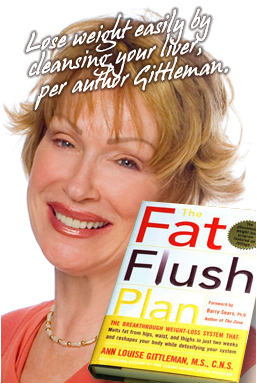
One of my favorite healthy eating books is the international best-seller “The Fat Flush Plan” by Ann Louise Gittleman, Ph.D., C.N.S. I remember distinctly one I first learned of this author, American nutritionist and detox proponent who is named one of the top 10 nutritionists by Self Magazine and author of over 30 books. I was coming home from skiing in Mont Tremblant, Canada and chatting away with a fellow skier, Sue Simms. She was sharing with the wonderful results she had while on diet of the “The Fat Flush Plan.” Since I am the forever learner who is always tinkering around with my diet to find out what works best with me, I was eager to pick up this book and give it a read.

Eat healthy foods, cleanse your liver and lose weight was the underlining message of Gittleman’s book which has sold millions of copies and is on the The New Times’ bestseller list. Not that I want to lose weight, but I am always interested in learning ways to eat even healthier and was interested in “revolutionary diet” claims that eating a certain way will also reduce and/or eliminate cellulite. Not that I have much, but what little I do have I wish was gone! So I thought I’d put the words of this book into action and try the tips that supposed helps to melt fat from hips, waist, and thighs in only two weeks plus will help to reshape your body while detoxifying.

The book starts out discussing the basics of what are the five hidden weight gain factors that prevent weight loss followed by an overview of actual plan itself which has the goal of increasing your metabolism with nutritional supplements, flushing out bloat and speeding up fat loss while also helping you to kick the caffeine habit if you have one. The diet is based on the belief that essential fats are absolutely necessary for rapid weight loss, longevity and good health. The diet relies on a unique combination of 40% healthy essential fats, 30% balanced proteins, and 30% low-glycemic carbohydrates from fat flushing fruits and vegetables to provide the weight loss results you want. The Plan also heavily relies on its liver cleansers – cranwater, “Long Life Cocktails” to start and end your days, hot cups of water and lemon juice plus an array of fat burning, water regulating, and insulin controlling herbs and spices.

Next, the three phases of The Plan are shared. Phase One includes a two week, “cleaning out,” fat flush strategy, requiring the elimination of wheat, dairy and sugar and a diet of only 1,100 to 1,200 calorie per day. This stage is the jumpstart to your weight loss. And surprising whatever fat you do have starts to melt away and bloating disappears. You can stay on this phase of the program for longer if you have more fat to lose.

Phase Two is for people with more weight to lose and allows the person to have a variety of food choices a more diverse diet which even includes carbs. Daily intake is now 1,200 to 1,500 calories. You can stay on this stage until you hit your desired weight. The book also includes meal plans and recipes and tips for eating out.

The “Lifestyle Eating Plan” is for to sustaining and maintaining your desired weight is discussed in Phase Three. This is the maintenance stage of The Fat Flush Plan and allows you to eat 1,500 or more calories per day. Certain carbs, grains and dairy products are now allowed.

Does this detox diet plan work? For me, yes. I personally dropped 14 pounds following this plan, an amount too much for my body build so I gained back five. And what little cellulite I had diminished. To this day, the “Lifestyle Eating Plan” is the basis of my diet. I still drink the cranwater and have added the Fat Flush Plan smoothies. I eat very little carbs and never any white ones. I incorporate lots of fresh vegetables and fruits plus nuts and daily servings of fish or poultry. And flaxseed is now part of my daily diet.

“The Fat Flush Plan” is as groundbreaking as it claims. By going on The Plan and committing yourself to its guidelines, you will submit yourself to one of the most complete processes of weight loss and detox you’ll ever experience. There are also several subsequent books by Gittleman, including: “Fat Flush for Life,” “The Fast Track Detox Diet,” “The Flat Flush Cookbook” and “The Fat Flush Foods” among others.

Gittleman’s “The Fat Flush Plan” is worth the read. And if you up to the challenge, go for the diet!

Be Fit. Be Strong. Be Well.
Adriana

Share this:

  • Click to email a link to a friend (Opens in new window) Email
  • Click to share on Facebook (Opens in new window) Facebook
  • Click to share on LinkedIn (Opens in new window) LinkedIn
  • Click to share on Pinterest (Opens in new window) Pinterest
  • Click to share on Pocket (Opens in new window) Pocket
  • Click to share on Reddit (Opens in new window) Reddit
  • Click to share on X (Opens in new window) X
  • Click to share on Tumblr (Opens in new window) Tumblr
  • Click to print (Opens in new window) Print
Like Loading...

Is Your Body Beach Ready? Part II

29 Tuesday May 2012

Posted by Adriana Falco in Diet

≈ Leave a comment

Tags

Apple cider vinegar, Calorie, Dieting, Eating, Health, Weight loss

From the feedback that I have received, the readers of my blog are at all different fitness levels. So when it comes to defining the 12 week program, I am suggesting a plan of action for those who inspire to weigh less and become more fit and tone but need a little help reaching their goal. The following 12 week “beach body” recipe will consist of diet, weight-training, cardio plus a few tricks of the fitness trade to stir change in your body.

In Part II of this three part series, I will be discussing dieting. The first golden rule is DIET IS EVERYTHING. The 80 percent diet and 20 percent exercise is very much true for most people and you truly become what you eat. For me, I basically follow a diet that is one that contains no white or brown carbs, no dairy, no caffeine, no lunchmeat, no salt, minimal fat, and very little alcohol. Yes, I do break it on occasion, but for the most part it’s a diet filled with lots of fresh fruit and veggies, protein, dietary supplements, and lots of fresh water for hydration. I’m fortunate I enjoy all of my food options so it makes eating without straying easy.

Before we get started and to help you stay on course, I suggest keeping a journal so you can keep track of your results and learn what works for you and what doesn’t as we are all individuals with different genetic makeup. What will be key to your long term success is identifying your own individual recipe of diet and exercise. Include your workouts in your journal entries in addition to the food you eat on a daily basis. Your very first entry should be your measurements of today and your goals of where you want to be in 12 weeks. If you have access to a camera, take a snapshot of yourself and adhere it to your journal.

So let’s talk about your diet. I often feel that a combination of the right food selection and the right calorie count with maximum allowed volume is best means to a successful weight loss. To achieve this, you first need to learn what your ideal daily caloric intake should be to achieve your goal. To help determine, click here for a calorie calculator which will ask you a few questions to determine your daily count. Remember not to lose more than two pounds a week. Weight loss should never be fast but at a controlled rate. Next, let’s discuss food intake. In addition to reducing your daily calories, make smart choices. Ideally you should reduce the amount of your refined foods, but I realize this is may be challenging for many, especially at first. So cut back as much as you can, as portion control is key, and fill your three meals a day with a lot of fresh fruits, veggies, protein and whole grain foods within you calorie limit. Snacks can be again fruits and veggies, such as celery and carrot sticks, and nuts as long as you don’t much on too many. If you feel you would better benefit for an actual diet plan, there are many to choose from those I discussed in “Ten Popular Diets to Start off the Year.” Select the one you feel you can maintain.

One trick to help stir change in the body is what I drink during the day. I start and end my days with Dr. Ann Louis Gittleman’s “Long Life Cocktail” – one quarter cup of unsweetened cranberry juice, three quarters cup water, and one teaspoon of powdered psyllium husks – which helps to detox your liver. When your liver is overworked and undernourished, toxins can build up and enter your bloodstream causing weight gain, bloating, cellulite, indigestion, high blood pressure and cholesterol levels, fatigue, mood swings, depression, and even skin rashes. So it’s best to consciously take care of your liver which will also aide in your weight loss and weight maintenance.

Drinking a lot of water will also help with your weight loss. Before indulging in breakfast, drink a cup of hot water with a slice of fresh lemon. This helps to jumpstart your digestive system, aiding to regenerate your liver and optimize your fat metabolism. Additionally before each meal, drink one to two tablespoons of apple cider vinegar straight up or dilute it in a glass of water with one to two teaspoons of raw honey and a lemon slice to sweeten the taste. For best results, purchase apple cider vinegar that is natural, unfiltered and unpasteurized. I use Bragg’s Organic Apple Cider Vinegar. And to eliminate water retention, drink eight glasses of cranberry water a day; the mixture of one quarter unsweetened cranberry juice, three quarters water but without the psyllium husks.

In the final installment of this three-part series, I will discuss an exercise plan to follow to help with your weight loss. But until then, create your journal, determine your daily calorie intake and plan out our diet. One of my favorite quotes is, “people don’t plan to fail, they fail to plan.”

Be fit. Be strong. Be well.
Adriana

Share this:

  • Click to email a link to a friend (Opens in new window) Email
  • Click to share on Facebook (Opens in new window) Facebook
  • Click to share on LinkedIn (Opens in new window) LinkedIn
  • Click to share on Pinterest (Opens in new window) Pinterest
  • Click to share on Pocket (Opens in new window) Pocket
  • Click to share on Reddit (Opens in new window) Reddit
  • Click to share on X (Opens in new window) X
  • Click to share on Tumblr (Opens in new window) Tumblr
  • Click to print (Opens in new window) Print
Like Loading...

Is Your Body Beach Ready? Part I

31 Saturday Mar 2012

Posted by Adriana Falco in Diet, Exercising, Setting Goals

≈ Leave a comment

Tags

diet, Health, Physical exercise, Weight loss, Weight training, Workout Plan

For most of the country, the winter this year was a very mild one, especially when compared to the past couple years. With little snow on the ground and the temperatures mild for most of the season, many were able to continue cycling and running outdoors while skiers, borders, and ice skaters had to search for places with enough snow and ice to make their sports happen.

With the winter months now behind us and spring in the process of blooming, it’s also time to take a look at our bodies to see if it’s ready to hit the beach in its fineness. Despite the lack of snow, many still had the internal instinct to eat more during the winter months. The shorten days of less daylight also decreased the energy for many, causing some to shorten or skip their workouts all together.

First up, get on the scale! What is your weight compared to the end of last summer? Have you gained a few extra pounds from the holiday treats or were you able to maintain your weight? Next, try on some of your summer outfits. How do they fit? If all is good, they don your favorite swimsuit. Any bulges? How is your middle looking? Arms? Shoulders? Butt? Any jiggle or wiggle? Is there room for improving, perhaps in your overall body tone and muscle definition?

Now, set your goals. Do you want to lose, gain or maintain? Have a favorite outfit you want to fit into again? Perhaps you want your abs defined a little more or your arms more muscular. Whatever it is, get a journal and write down where you are today and where you want to be in three months. Try to make your goals realistic and achievable.

Next, build your plan of action. Make it a winning combination of dieting and workouts. Be sure to include both weight lifting and cardio to help drop the pounds and tone up. Watch the starchy carbs and unnecessary foods with empty calories.

Need some suggestions? The next series of blogs string together a 12-week plan that, if followed properly, should put your body in better form through the combination of dieting and working out. Twelve weeks is a nice span of time to set your short term goals with enough planned time to notice a positive change. Also, check with your physician before starting if you have any injuries or illnesses.

So stay tune!  You may additionally want keep a workout journal to track your progress and keep you on goal.

Be Fit. Be Strong. Be Well.
Adriana
Share this:

  • Click to email a link to a friend (Opens in new window) Email
  • Click to share on Facebook (Opens in new window) Facebook
  • Click to share on LinkedIn (Opens in new window) LinkedIn
  • Click to share on Pinterest (Opens in new window) Pinterest
  • Click to share on Pocket (Opens in new window) Pocket
  • Click to share on Reddit (Opens in new window) Reddit
  • Click to share on X (Opens in new window) X
  • Click to share on Tumblr (Opens in new window) Tumblr
  • Click to print (Opens in new window) Print
Like Loading...

Ten Popular Diets to Start Off the Year

29 Sunday Jan 2012

Posted by Adriana Falco in Diet

≈ 1 Comment

Tags

American Heart Association, Arthur Agatston, Body for Life, Health, Marie Almon, Medifast, NutriSystem, Weight loss

One of the most common New Year’s resolutions is to lose weight. The battle of the bulge has been an ongoing fight for many with the extra pounds winning, especially with age. And with age, losing weight can become more challenging as lifestyles change and activities begin to slip away.

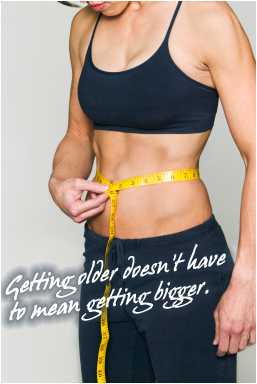
But getting older shouldn’t also mean getting bigger. As you become less active, adjust your daily caloric intake to match accordingly. To maintain your weight, the American Heart Association recommends women of the ages 40 to 50 to consume 1,800 calories per day for a sedative lifestyle, 1,800 and 2,000 for a moderate, and up to 2,200 daily calories for those who exercise vigorously.

If you actually count the calories you eat for one day, you may be actually surprised to learn that 1,800 calories is not very many. To eat more, you have to become more active. And to lose weight, you need increase your activities PLUS eat less.

In your quest to lose weight, you will need to find one that best matches your lifestyle and taste buds. Below are some of the top diets from the hundreds available today.

Atkins – A low-carbohydrate diet created by Robert Atkins that limits consumption of carbohydrates to switch your body’s metabolism from metabolizing glucose as energy over to converting stored body fat to energy.

Body for Life – Based on principles widely known in bodybuilding, the Body for Life diet was created by EAS owner Bill Phillips and focuses on a low caloric diet to force fat loss while still retaining enough calories and protein to build muscle and cardiovascular endurance.

Jenny Craig – With more than 700 weight management centers in the world, this weight management program combines nutrition and physical activity with counseling to help you change lifestyle and eating habits for life.

Medifast– Originally only available through your physician, the Medifast program a very low-calorie approach to weight loss with zero counting. Instead over 70 meal-replacement options are available, including snacks and popular shakes.

Mediterranean Diet – Considered to be one of the healthiest diets, the Mediterranean Diet is inspired by Spain, Italy, Greece and the Middle East and includes a high consumption fresh, seasonal whole foods, olive oil and fish, a moderate intake of dairy and wine, low consumption of red meats and no processed foods.

Nutrisystem – The ultimate in convenience, NutriSystem provides pre-prepared, portion-controlled meal selections that are delivered to your door in microwave-ready pouches. Just go online and sign up. The meals are low in sodium, saturated and trans fats, and include whole grains and a wide variety of foods.

South Beach – Devised by cardiologist Arthur Agatston and dietician Marie Almon, this low-fat diet replaces bad carbs and bad fats with good ones. There’s no counting calories or strict portion sizes.

Volumetrics – For those who always feel hungry on a diet, then this one may be for you. Created by nutritionist Barbara Rolls, PhD, the diet focuses on feeling full by eating energy densed foods with these foods having very high water content.

Weight Watchers – Created by a homemaker in the 1960’s, this international program helps to lose weight by forming helpful habits such as eating smarter, getting more exercise and providing support. Both products and services are available to participants.

The Zone – A best seller book by the same name, this diet encourages consuming calories from carbohydrates, protein, and fat in a balanced ratio (30% protein, 30% fat, and 40% carbohydrates) to retool your metabolism.

A key to dieting is finding the one plan that works best for you in terms of your preferred food choices, lifestyle, willpower and results. Losing weight is no easy feat, particularly the older one becomes. Just remain strong and think positive. Get a buddy to diet with or keep a food journal to help keep you on track. Remember, all is achievable with focus and determination.

Be Fit. Be Strong. Be Well.
Adriana

Share this:

  • Click to email a link to a friend (Opens in new window) Email
  • Click to share on Facebook (Opens in new window) Facebook
  • Click to share on LinkedIn (Opens in new window) LinkedIn
  • Click to share on Pinterest (Opens in new window) Pinterest
  • Click to share on Pocket (Opens in new window) Pocket
  • Click to share on Reddit (Opens in new window) Reddit
  • Click to share on X (Opens in new window) X
  • Click to share on Tumblr (Opens in new window) Tumblr
  • Click to print (Opens in new window) Print
Like Loading...

Achieving Amazing Abs at Any Age – Part 2

07 Monday Feb 2011

Posted by Adriana Falco in Abdominal Muscles, Diet, Exercising, Health and Wellness, Weight Training

≈ 1 Comment

Tags

Abdominal exercise, Aerobic exercise, Cardio, Metabolism, Physical exercise, Weight loss, Weight training

In Part 1 of this blog, I introduced the theory of a five-part winning combination to achieve amazing abs (cardio + weight training + abdominal exercises + diet + genetics), the dangers of not having a slim waistline, how your genetics play a role and why cardiovascular exercise is so important. In Part 2, I am going to discuss how weight training fits in, some of the best abdominal exercises for flat abs, an overview of what your diet should look like, and some final go get ’em tips!

3) Weight Training. Most men and women tend to lose muscle mass with age due to inactivity, causing a slower metabolism.  But the more muscle mass you have on your body, the more fat you will burn on a daily basis – regardless of your age. So building and maintaining your muscle mass is also very important in achieving and retaining your abs. With an ongoing, regular strength-training program using weights (30-45 minutes, three to four times a week), loss of your muscle tissue can be prevented and carved abs can be achieved. This can be accomplished with circuit training or free weights. If you need to, start with lighter lights and higher repetitions and work your way heavier and stronger.


4) Abdominal Exercises. There are three main muscle groups in your abdominals:rectus abdominis, transversus abdominis, and the internal and external obliques. These muscles are the only group that can be worked daily, and I highly recommend it. Even if it’s just for 15 minutes a day, do it since working these muscles regularly and consistently is key in achieving great abs. Seven great abdominal exercises are: 1) Sit ups with a dumbbell or medicine ball for that extra push; 2) Leg raises from the floor, bench or in a captain’s chair; 3) Stomach crunches on a mat or on an exercise ball; 4) Vertical leg crunches on the floor; 5) Reverse stomach crunches on a mat or bench; 6) Planks on your elbows with both planted toes or one raised leg; and 7) Bicycle peddle from your back and on a mat. Also, both yoga and Pilates are excellent for your abs as they focus on strengthening your core.


5) Diet. Your diet is another clincher in all of this mad methodology. To have great abs, you have to get rid of the extra layers of fat hiding them as excess food tends to accumulate around the middle. Start by cutting out the wrong foods and eating the right ones in small meals throughout the day. Eliminate all of the sugars from your diet and avoid foods containing simple and complex carbohydrates. This includes most whites, such as bread, pasta, chips, fries, and saturated fats. These calories go right to your waistline. Stay away from alcohol and soda, skip all junk food and pass up on foods with a high salt content that cause water retention. Steer clear of gassy foods that can cause bloating, including wheat, bananas, broccoli and many others.

Some of the good foods to eat include those high in protein like tuna, salmon, eggs and foods that are high in fiber like fruits, vegetables, whole grains. While dairy is high in fat and should be limited when going for the six pack, eating a daily serving of a probiotic-rich food like yogurt helps your digestive system to break down your food, preventing potential gastrointestinal issues that can keep you from having a flat stomach. Also, drink plenty of water, which should always be your first beverage of choice. Six to eight 8-ounce glasses of water is ideal. If you are dehydrated, your body retains water in retaliation and you may end up with extra excess pounds around your middle.

Some final tips: Remember, there is no way to target fat loss just in your stomach area, but your exercising and dieting will help do the trick. To get started on your sculpted abs, you will need to do two things – build muscle and lose fat. If you feel you have hit a plateau, change up your exercise and cardio and switch up your diet. When eating, chew each bite at least 10 times before swallowing. If you eat fast, you are more likely to swallowing air, which also can deposit around your middle. Lastly, make sure you get a good night’s rest of 7-8 hours of sleep as lack of sleep increases the likelihood you will gain weight.

There’s no better time than the present. Get going on achieving your amazing abs

Be Fit. Be Strong. Be Well.
Adriana
Share this:

  • Click to email a link to a friend (Opens in new window) Email
  • Click to share on Facebook (Opens in new window) Facebook
  • Click to share on LinkedIn (Opens in new window) LinkedIn
  • Click to share on Pinterest (Opens in new window) Pinterest
  • Click to share on Pocket (Opens in new window) Pocket
  • Click to share on Reddit (Opens in new window) Reddit
  • Click to share on X (Opens in new window) X
  • Click to share on Tumblr (Opens in new window) Tumblr
  • Click to print (Opens in new window) Print
Like Loading...

Achieving Amazing Abs at Any Age – Part 1

31 Monday Jan 2011

Posted by Adriana Falco in Abdominal Muscles, Cardio, Diet, Exercising, Health and Wellness, Metabolism

≈ Leave a comment

Tags

Abdominal exercise, Aerobic exercise, Cardio, Metabolism, Physical exercise, Weight loss, Weight training

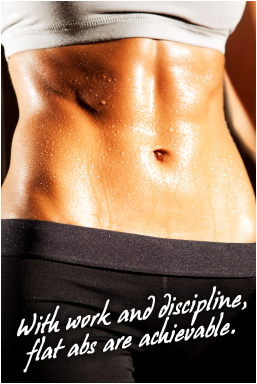
Having beautiful sexy abs is not just for the underwear and swimsuit models, fitness competitors or for the very young.  If you work hard, watch the quality and quantity of your food intake, and are truly dedicated and persistent, your flat abs can be eventually achieved.

Unfortunately, there are no shortcuts to whittling your waist or ways to drop pounds just around your middle. Plain and simple, attaining amazing abs is a winning combination of cardio + weight training + abdominal exercises + diet + genetics. Of course, being discipline about your regimen is a given as well as your time, commitment and patience. It can be a lot of work, but the effort is well worth it. When your body looks great, you feel great not to mention that endorphin high that kicks in.

Even if you might not care that you don’t have flat abs, the pitfalls and dangers of not having a lean middle are many. Belly fat (or visceral fat) is very unhealthy as it rests deep in your abdomen, surrounds your organs, and secretes toxic hormones. Study after study shows that extra weight around your middle increases your risk of heart disease, hypertension, cancer and dementia. Those at even higher risk are women with waists larger than 35 inches who are more than twice as likely to die of heart disease as women whose middles measure less than 28 inches. A waistline of 32 inches or more places you at higher risk of Type2 Diabetes.

So what about those nice set of abs? The key in the five-part equation to achieving amazing abs is figuring out the right combination that works best for you since it differsfor each of us. You might have to diet more, run further, lift longer and/or crunch harder to achieve your six-pack if you don’t have the God given genetics. If you do have the good genes, well you are one of the lucky ones and get to work a little less at it.

In Part 1 of this blog, I am going to discuss the first two parts of the winning combination, how your genetics play a role and why cardiovascular exercise is so important.

1) Genetics. When I say genetics play a role in this winning combination, I am referring to your natural body build and own metabolism. These are a factor of how hard you will have to work to achieve your amazing abs. Those with a heavier body frame and weight, by nature, are going to have to work harder than those who are naturally small and lean. But those who are larger, oftentimes have more muscle mass and therefore burn more calories quicker.

We also all know that metabolism is the process that your body burns calories and turns food into energy. The higher your metabolism, the more calories you will burn. If you feel your metabolism is too slow, the best way to increase it is with exercise as metabolism is primarily driven by your muscles. The best way to raise your natural metabolism is by eating small meals throughout the day, ideally six, to keep your body engine running and churning. It causes your metabolism to speed up and lose weight. If you skip meals thinking it will work quicker, your body’s metabolism will actually slow down as it tries to conserve fat and protect you against starvation.


2) Cardio. Your cardio workout is an extremely important step in achieving amazing abs. Have you ever seen a professional runner with a bulging belly? Need I say more? You can burn 100 to 500 calories depending on how hard you work, how long you exercise and how much you weigh. Exercises like running, swimming and spinning will help you shed the extra pounds. Since your abdominal muscles are very active during these workouts, it will help tone your abdominal muscles. A 30-45 minute cardio workout, at least 5 days a week, is best as it will make an impact on your abs when combined with a healthy balanced diet, abdominal exercises and strength training.

Be certain to check back next week when I discuss how weight training fits in, some of the best abdominal exercises for flat abs, an overview of what your diet should look like, and some final go get ’em tips!


Be Fit. Be Strong. Be Well.
Adriana

Share this:

  • Click to email a link to a friend (Opens in new window) Email
  • Click to share on Facebook (Opens in new window) Facebook
  • Click to share on LinkedIn (Opens in new window) LinkedIn
  • Click to share on Pinterest (Opens in new window) Pinterest
  • Click to share on Pocket (Opens in new window) Pocket
  • Click to share on Reddit (Opens in new window) Reddit
  • Click to share on X (Opens in new window) X
  • Click to share on Tumblr (Opens in new window) Tumblr
  • Click to print (Opens in new window) Print
Like Loading...

The Most Important Meal of Your Day – Breakfast

24 Monday Jan 2011

Posted by Adriana Falco in Diet, Health and Wellness, Recipes

≈ Leave a comment

Tags

Blood sugar, Breakfast, Dietary fiber, Fruit, Weight loss

In “Setting Your Fitness Goals,” I mention that what you eat is 80 percent of your success rate for achieving and maintaining your fitness goal. So let’s start with the first meal of the day; breakfast. Many of us were raised by our parents to make certain we ate our breakfasts before dashing off to school. Unfortunately, today many of us claim not to have time for the early meal and instead either drink a cup of coffee on the go, snack at our desk while working, or hold off the pangs until lunchtime. Some even do so in the hopes it will ward off weight gain as their true motivator.

Skipping breakfast is actually a more likely way to cause weight gain than weight loss. Studies have shown missing breakfast is strongly linked to the development of obesity as the morning meal skippers tend to eat more food than usual at the next meal or later in the day, and food that is less nutritional. Additionally, the daily prolonged fasting can increase your body’s insulin response, which in turn increases fat storage. So if you are a breakfast skipper, whether trying to save time or cut you calories, you may want to rethink your strategy.

Breakfast is the most important meal of your day. Like starting your car in the morning, a healthy breakfast kick-starts your energy level, refuels your body, and replenishes the glycogen stores that supply blood sugar (glucose). Eating this morning meal within an hour of rising reduces your hunger later in the day, making it easier to avoid overeating, and increases your metabolic burning rate.

What you choose to eat for breakfast also makes a big difference for your health. If you choose healthful, slow-burning foods, like whole grains and fruits, you should be able to control your appetite until midday and overeating is less likely. The more whole the grain is, the slower the digestion. This helps keep blood sugar levels stable, prevents energy crashes, and prevents from feeling hungry later in the morning or day.

Oatmeal is a great source of slow-digesting, complex carbohydrates. It is high in both soluble and insoluble fiber, helping to reduce bad cholesterol by literally binding to them and sweeping them out of the body. Oatmeal also contains a wide array of vitamins, minerals, and antioxidants and is a good source of protein and iron. In essence, oatmeal is a superfood.

Oatmeal is also a powerhouse when it comes to helping prevent certain medical conditions. Numerous studies show that the fiber and other nutrients found in oatmeal may actually reduce the risk for certain cancers. Other studies have shown that eating oatmeal may help lower cholesterol, reduce the risk of heart disease, lessen the risk for type 2 diabetes, and may help lower high blood pressure.

So if you only have a short amount of time in the mornings, I recommend instant or quick-cooking oatmeal or whole grain cold cereal with raisins or fresh fruit and low-fat dairy or soy milk. It’s a great healthy way to start your day. If you have a little more time, below I have included a couple recipes I love that incorporate other superfoods such as yogurts and berries. (I’ll discuss superfoods in a future blog.)

Egg White Oatmeal Pancakes: Grind 1 cup steel-cut oats and 1/4 cup chopped nuts (almonds and walnuts) in a food processor. Sprinkle in 1 teaspoon cinnamon. Add scoop vanilla whey protein powder (optional). Stir in 1 cup egg whites and blend. Lightly grease griddle with Pam. Heat griddle to 375 degrees F and until drops of water dance and evaporate immediately. Pour 1/4 cup of the mixture onto hot griddle and let cook until the edges start to look dry and bubbles form on the uncooked surface. Flip over and let the pancakes cook for another minute or two until golden brown. Top with fresh berries. 2 Servings.

Fruit and Yogurt Parfaits: In a small bowl, combine 2 cups low fat vanilla yogurt and 1/4 teaspoon cinnamon. Combine 1 cup sliced strawberries, 1/2 cup blueberries and 1/2 cup raspberries in another bowl. In four clear, tall glasses, layer 1/4 cup fruit mixture, 2 tablespoons cooked oatmeal (or granola), and 1/4 cup yogurt mixture. Continue to build the parfaits, repeating the layers until all of the ingredients are used completely. Lightly sprinkle tops with wheat germ and top off with a few berries. 4 Servings.

Be Fit. Be Strong. Be Well.
Adriana

Share this:

  • Click to email a link to a friend (Opens in new window) Email
  • Click to share on Facebook (Opens in new window) Facebook
  • Click to share on LinkedIn (Opens in new window) LinkedIn
  • Click to share on Pinterest (Opens in new window) Pinterest
  • Click to share on Pocket (Opens in new window) Pocket
  • Click to share on Reddit (Opens in new window) Reddit
  • Click to share on X (Opens in new window) X
  • Click to share on Tumblr (Opens in new window) Tumblr
  • Click to print (Opens in new window) Print
Like Loading...

The Pros and Cons of a Hiring Personal Training

17 Monday Jan 2011

Posted by Adriana Falco in Exercising, Personal Trainer, Setting Goals, Training

≈ Leave a comment

Tags

Fitness, Health, Personal trainer, Personal Training, Physical exercise, Weight loss, Weight training

Many individuals go into working out without a plan of action. They may jump on the stationary bike and ride it for a few miles, follow others in the circuit training, or grab some free weights and do random routines. They may watch others, ask others, and envy others.

Then there are those who are self-dedicated, have worked out for years, and know exactly what to do to achieve the results they want. They know which exercise works best and they have fallen into a faithful routine.

The last group is those who hire a trainer for various reasons such as changing up their own made routines, achieve different results or certain new levels of fitness, or need to depend on someone to motivate through a workout.

My reasonings for hiring a personal trainer have always been the same; to change up my own existing routine and give it some fresh light. I’m also on a constant quest to sculpt my muscles more and reach beyond my fitness plateau into perfection, if such a destiny for myself exists. Over the past 10 years, I have had six personal trainers, three men and three women, each with their own unique approach and method to reaching fitness nirvana. Three utilized the weight equipment and machines in the gym to help me get where I wanted to be, and three taught me new methods of using my own body weight to achieve my results. Of the six trainers, only two worked for me in the sense that I felt the benefits and witnessed the results in my body. They have had such an impact on my fitness level, I will always sing their praises and have put them high on a pedestal. The others were not a match and, looking back, it was a disappointing waste of my energy, time and money.

Ironically, the peak of my own self ultimate fitness level was when I trained alone for fitness competitions. Two months out, I decided to start competing and, in that limited lead time, whipped myself into competing form. How? I spent 90 to 120 minutes in the gym every day with a third of that going to cardio. The balance went to weight training and ab work with routines and equipment I had learned over the years work for me. I was religious and diligent with my exercises. So much so, many thought I was a trainer. Working out was the easy part for me since I enjoyed my time in the gym. It’s like playtime for me. I unwind, relax and let go. It’s my sanctuary.

It was the diet part that was initially challenging for me as I had become accustomed to not having to necessary watch what I ate. I read up on eating and watched my food intake. I developed a diet plan that would burn the most amount of fat and incorporated good fats with omega-threes. I was heavy on the proteins, such as egg whites for breakfast, tuna for lunch, and chicken for dinner, and included lots of fresh vegetables. I eliminated sugars and processed starches and drank lots of water to flush my system. No sweet treats. No bacon or bread. Not even pizza. This was definitely the hardest part of my self training.

My hard effort and self discipline proved itself as you can see in the photo above. I kicked myself into outstanding form and proved I could do it alone and without a trainer. At the same time, I have immensely enjoyed working with trainers Thomas Lengyel and Leann Pacinelli who have truly listened to what I expressed my fitness goals to be and who created personalized workout plans that became successful means for me achieving my fitness objectives.

So just like anything else in life, you need to be wise when selecting a personal trainer if this is the route you decide to go. Get a referral from a satisfied friend in your gym and interview the trainer about their method and philosophy. If possible, schedule a trial workout to see if like the trainer’s approach to working out, that the two of you mesh with your personalities, and that the trainer genuinely shows an interest in you and your goals. Or, if you feel you have the willpower, you can go solo just like I have. Either way, it will take a few weeks to a few months to see your results that will be ultimate true measure of your success.

Be Fit. Be Strong. Be Well.
Adriana

Share this:

  • Click to email a link to a friend (Opens in new window) Email
  • Click to share on Facebook (Opens in new window) Facebook
  • Click to share on LinkedIn (Opens in new window) LinkedIn
  • Click to share on Pinterest (Opens in new window) Pinterest
  • Click to share on Pocket (Opens in new window) Pocket
  • Click to share on Reddit (Opens in new window) Reddit
  • Click to share on X (Opens in new window) X
  • Click to share on Tumblr (Opens in new window) Tumblr
  • Click to print (Opens in new window) Print
Like Loading...

Adriana Falco

  • About the Blogger
  • Healthcare Disclaimer

Like Us on Facebook

Like Us on Facebook

Enter your email address to subscribe to this blog and receive notifications of new posts by email.

Join 135 other subscribers

Recent Posts

  • Easy and Healthy Peanut Butter Dessert Recipes June 9, 2024
  • The Good, the Bad, and the Ugly Oils You Should Include and Not Include in Your Diet March 4, 2024
  • The Sweet Truth About Sweet Potatoes February 28, 2024
  • Unlocking the Decade Beyond 40: 10 Ways to Maximize Longevity and Well-being January 8, 2024
  • Navigating Holiday Eating December 12, 2023
  • The Statin Conundrum: Why Alcohol and Cholesterol Meds Don’t Mix November 27, 2023
  • Healthy and Scrumptious Desserts for the Upcoming Holiday Season November 20, 2023
  • The Tiny Powerhouse: Unveiling the Health Wonders of Chia Seeds November 13, 2023
  • Unraveling the Enigma: Understanding Frontotemporal Dementia (FTD) November 10, 2023
  • Yoga vs. Mat Pilates: Choosing the Right Path to Mind-Body Wellness November 3, 2023

Search Blog Topics

Categories

  • Abdominal Muscles
  • Anti-Aging
  • Book Review
  • Caffeine
  • Cardio
  • Cycling
  • Diet
  • Exercising
  • Fitness Classes
  • Golf
  • Health and Wellness
  • Healthy Getaway
  • Hearth Health
  • Hiking
  • Metabolism
  • Muscles
  • New Year's Resolutions
  • Nutrients
  • Nutrition
  • Pain Management
  • pain relief
  • Paleo
  • Personal Trainer
  • Pickleball
  • Pilates
  • Recipes
  • Running
  • Setting Goals
  • Skiing
  • Skincare
  • Sleep
  • Sports
  • Superfoods
  • Swimming
  • Top 10 Lists
  • Training
  • Uncategorized
  • Vitamins
  • Weight Training
  • Yoga

Fit Past 40 Archives

Follow @ FitnFun

Tweets by fitnfun

Recent Tags

Abdominal exercise Aerobic exercise American Heart Association Bananas Blueberry Breakfast Caffeine Cardio Caveman Diet Cellulite Chocolate Connective tissue Cookies Dark Chocolate Dehydration diet Dieting DVD Eating Clean Energy Bars Energy Drinks Exercises exercising fast twitch muscle fiber Fat Fat Flush Plan Fitness fitness over 40 fitness past 40 Gym Health Healthy Choices Healthy Desserts healthy living Heart Health Hiking holiday eating Metabolism mindless eating Muscle New Year’s resolutions Nutrition pain relief Paleo Pancakes Peanut butter Personal trainer Personal Training Physical exercise Physical fitness Pickleball Pilate Pilates Pumpkin Recipes Riding Horses Running Running Outdoors Setting Goals Ski Skiing Spaghetti Squash sport Sports Strength training Sweet Potatoes Tennis Travel Weight loss Weight training Wellness Winter Blues Yoga Zucchini Zumba

Archives

Adriana Falco

  • About the Blogger
  • Healthcare Disclaimer

Like Us on Facebook

Like Us on Facebook

Enter your email address to subscribe to this blog and receive notifications of new posts by email.

Join 135 other subscribers

Recent Posts

  • Easy and Healthy Peanut Butter Dessert Recipes June 9, 2024
  • The Good, the Bad, and the Ugly Oils You Should Include and Not Include in Your Diet March 4, 2024
  • The Sweet Truth About Sweet Potatoes February 28, 2024
  • Unlocking the Decade Beyond 40: 10 Ways to Maximize Longevity and Well-being January 8, 2024
  • Navigating Holiday Eating December 12, 2023
  • The Statin Conundrum: Why Alcohol and Cholesterol Meds Don’t Mix November 27, 2023
  • Healthy and Scrumptious Desserts for the Upcoming Holiday Season November 20, 2023
  • The Tiny Powerhouse: Unveiling the Health Wonders of Chia Seeds November 13, 2023
  • Unraveling the Enigma: Understanding Frontotemporal Dementia (FTD) November 10, 2023
  • Yoga vs. Mat Pilates: Choosing the Right Path to Mind-Body Wellness November 3, 2023

Search Blog Topics

Categories

  • Abdominal Muscles
  • Anti-Aging
  • Book Review
  • Caffeine
  • Cardio
  • Cycling
  • Diet
  • Exercising
  • Fitness Classes
  • Golf
  • Health and Wellness
  • Healthy Getaway
  • Hearth Health
  • Hiking
  • Metabolism
  • Muscles
  • New Year's Resolutions
  • Nutrients
  • Nutrition
  • Pain Management
  • pain relief
  • Paleo
  • Personal Trainer
  • Pickleball
  • Pilates
  • Recipes
  • Running
  • Setting Goals
  • Skiing
  • Skincare
  • Sleep
  • Sports
  • Superfoods
  • Swimming
  • Top 10 Lists
  • Training
  • Uncategorized
  • Vitamins
  • Weight Training
  • Yoga

Fit Past 40 Archives

Follow @ FitnFun

Tweets by fitnfun

Recent Tags

Abdominal exercise Aerobic exercise American Heart Association Bananas Blueberry Breakfast Caffeine Cardio Caveman Diet Cellulite Chocolate Connective tissue Cookies Dark Chocolate Dehydration diet Dieting DVD Eating Clean Energy Bars Energy Drinks Exercises exercising fast twitch muscle fiber Fat Fat Flush Plan Fitness fitness over 40 fitness past 40 Gym Health Healthy Choices Healthy Desserts healthy living Heart Health Hiking holiday eating Metabolism mindless eating Muscle New Year’s resolutions Nutrition pain relief Paleo Pancakes Peanut butter Personal trainer Personal Training Physical exercise Physical fitness Pickleball Pilate Pilates Pumpkin Recipes Riding Horses Running Running Outdoors Setting Goals Ski Skiing Spaghetti Squash sport Sports Strength training Sweet Potatoes Tennis Travel Weight loss Weight training Wellness Winter Blues Yoga Zucchini Zumba

Archives

Blog at WordPress.com.

Privacy & Cookies: This site uses cookies. By continuing to use this website, you agree to their use.
To find out more, including how to control cookies, see here: Cookie Policy
  • Subscribe Subscribed
    • Fit Past 40 Blog
    • Join 86 other subscribers
    • Already have a WordPress.com account? Log in now.
    • Fit Past 40 Blog
    • Subscribe Subscribed
    • Sign up
    • Log in
    • Report this content
    • View site in Reader
    • Manage subscriptions
    • Collapse this bar
 

Loading Comments...
 

    %d