• About the Blogger
  • Healthcare Disclaimer

Fit Past 40 Blog

~ Tips to stay fit, healthy, and young-looking

Fit Past 40 Blog

Tag Archives: Fitness

Unlocking the Decade Beyond 40: 10 Ways to Maximize Longevity and Well-being

08 Monday Jan 2024

Posted by Adriana Falco in Anti-Aging, Diet, Exercising, Health and Wellness, Nutrients, Nutrition, Paleo, Setting Goals, Superfoods

≈ Leave a comment

Tags

Aging, anitaging, Caveman Diet, diet, Fitness, Health, Nutrition, Paleo, Weight loss, Wellness
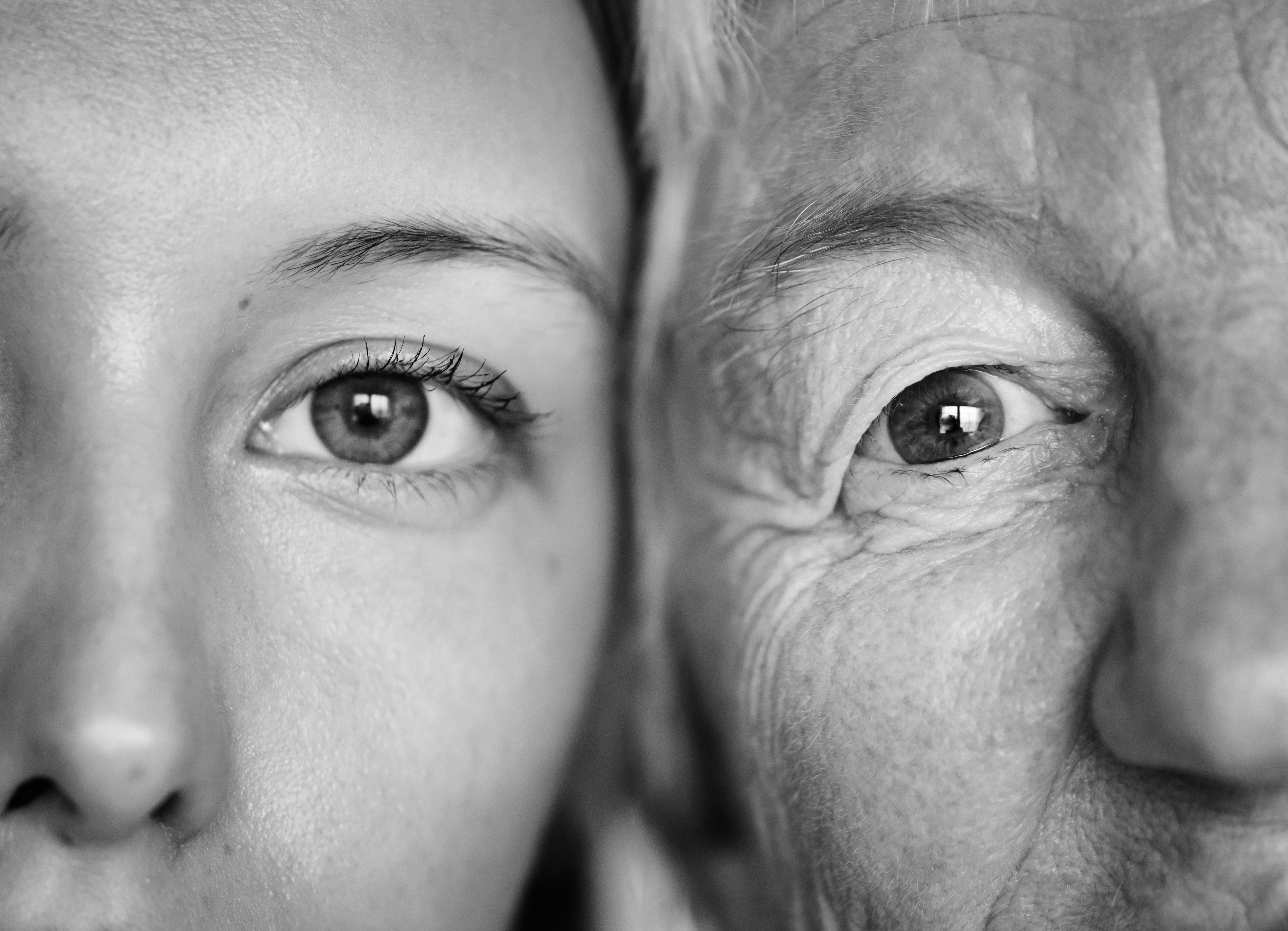
“Beautiful young people are accidents of nature, but beautiful old people are works of art.” — Eleanor Roosevelt

As we age, it is often not until then that many of us start to become more self-conscious about our health, wellness, and longevity as we look in the mirror and may feel like we are not able to do the same things or feel the same as our younger years.

Luckily, in a time where people are living longer, aging well involves making smart choices, being proactive, and navigating health risks. Genetics clearly play a role, but lifestyle decisions can impact and be a significant role in prevention, management, and ideally maximizing the quality of life regarding health and wellness.

Living Longer

Just a short century ago, life expectancy was closer to 54. But today, people are living longer with many living past the age of 90. Legendary celebrities well into their 90s and still going strong include 92-year-old William Shatner, 93-year-old Clint Eastwood, 95-year-old Ruth Westheimer (aka “Dr. Ruth”), and 98-year-old Dick Van Dyke.

In 2021, there were 89,739 centenarians living in the US, nearly twice as many as 20 years ago, per the Population Division of the United Nations. Per Guinness World Records, Californian Maria Branyas is currently 116-years-old (b. March 4, 1907) and took the title of the world’s oldest verified living person earlier in 2023 after the passing of Sister André, a French supercentenarian who lived to 118 years and 340 days.

What about Dan Buettner’s “The Blue Zones”? His book published years ago, and the movie version was recently on Netflix earlier this year. Is there truth in the various methodologies and secrets from those becoming centenarians around the globe who live in the so-called “blue zones”– from how they live, what they eat, their exercise habits, and ways coping with stress?

10 Pillars to Healthy Aging

As the years unfold beyond age 40, the question remains, ‘How can I extend my lifespan and gracefully age and navigate the later years?’

Below are 10 major pillars to keep in mind for healthy aging—nutrition, diet, alcohol and drugs, hormone health, specialists, risk monitoring, exercise, mental stimulation, sleep, and stress—to maximize longevity and well-being. Always consult with your physician and dietitian when making changes to your daily health and diet regimen.

1—Nutrition: Keeping a Watchful Eye

We are what we eat so always be certain to know what is in the platter you just ordered in the restaurant and what ingredients are in that box of cereal you are pulling off the grocery shelf. Reading labels and knowing what you are putting in your mouth is very important as many keep one eye shut when indulging.

The time is now if you don’t already aware you are exactly digesting as it’s never too late to discover the power of nutrition and the impact and healing power it has on your mind and body. Below is just a snippet on nutrition as we age. B vitamins, magnesium, vitamin D, and protein are essential nutrients to elevate brain health, support muscle vitality, and promote graceful aging. There are many more.

  • B Vitamins: Dive into the research-backed benefits of B vitamins, addressing cardiovascular and neurological conditions. Incorporate sources like meat, dairy, seafood, leafy greens, and whole grains, or explore B complex vitamin supplements.
  • Magnesium: Combat the challenges of magnesium absorption as you age. Explore magnesium-rich foods like spinach, avocado, dark chocolate, beans, and nuts. Consult with your physician if magnesium deficiency concerns arise.
  • Vitamin D: Uncover the potential of vitamin D in addressing age-related health concerns. Embrace fortified foods like milk or mushrooms and discuss supplementation options with your healthcare provider.
  • Protein: Navigate muscle mass decline with optimal protein intake. Aim for 1.2–2.0 grams per kilogram of body weight daily to support your body’s evolving needs.

As mentioned above, consult with your physician or dietitian to create a plan that supports overall health and addresses specific conditions. This could involve incorporating new nutrient-rich foods into your daily diet and avoiding those that may exacerbate a condition.

2—Diet: You Are What You Eat

One of the cornerstones of a healthy life beyond 40 is a well-balanced and personalized diet. Consider a diet that is right for you—Atkins, keto, Mediterranean, paleo, intermittent fasting, and others—and a diet that aligns with your health conditions or risks. Whether it’s high blood pressure, diabetes, or heart disease, your diet plays a crucial role.

Also, if you don’t already, consider eating “in” more than eating “out.” Restaurants can easily hide unhealthy fats, high amounts of sodium and seasonings, and other hidden ingredients that you would otherwise avoid when cooking at home.

  • High Blood Pressure: If you’re at risk of or dealing with high blood pressure, focus on a diet rich in potassium, magnesium, and fiber. Cut back on sodium and processed foods. Consult with your healthcare team to find the right balance for you.
  • Diabetes: For those with diabetes or at risk, prioritize complex carbohydrates, fiber, and lean proteins. Monitor your carbohydrate intake and consider the glycemic index of foods. Work closely with your healthcare team to manage your blood sugar levels effectively.
  • Heart Disease: A heart-healthy diet includes plenty of fruits, vegetables, whole grains, and lean proteins. Limit saturated and trans fats, cholesterol, and sodium. Collaborate with your healthcare provider to build a diet that promotes heart health.

Remember, your dietary choices are a powerful tool in shaping your health. Consultation with your physician or dietitian ensures a personalized approach that aligns with your unique needs. Let your diet be a source of nourishment, vitality, and resilience as you navigate the years beyond 40.

3—Alcohol and Drugs: Don’t Help You Age Well

As you journey through life past 40, understanding the impact of alcohol and drugs on your health becomes increasingly vital. While moderation might have been a more lenient guide in younger years, the consequences of substance use can significantly affect overall well-being as you age.

Moderation is key when it comes to alcohol consumption. Aging bodies metabolize alcohol differently, leading to increased sensitivity and potential health risks. Excessive alcohol intake can exacerbate conditions like high blood pressure, liver disease, and weaken the immune system.

Prolonged and excessive alcohol consumption can indeed harm brain cells. Chronic alcohol use disrupts neurotransmitters, damages brain cells, and impairs communication between neurons. This interference with brain function can lead to memory problems, decreased cognitive abilities, and even contribute to conditions like Wernicke-Korsakoff syndrome, characterized by severe memory loss.

The effects of drugs, whether prescription or recreational, can magnify with age. It is crucial to adhere strictly to prescribed medications and avoid recreational drugs. Drug interactions, reduced metabolism, and increased susceptibility to side effects pose greater risks as you age.

Alcohol and drug misuse can have a profound impact on physical health. They may exacerbate existing health conditions such as cardiovascular disease, liver disorders, and weaken the body’s ability to recover from illness or injury. Substance misuse can impair cognitive function and exacerbate age-related cognitive decline. Long-term alcohol abuse, for instance, can lead to memory problems and impairments in decision-making abilities.

Excessive alcohol consumption and drug use can exacerbate mental health issues such as anxiety and depression. They might also interfere with medications prescribed for mental health conditions. Additionally, alcohol and certain drugs can interact with prescribed medications, reducing their efficacy or causing adverse reactions. Always consult healthcare professionals to understand potential interactions and risks.

For those who choose to drink alcohol, be aware of the recommended limits and consider the impact of alcohol on your health. It is crucial to be mindful of the potential risks associated with drug use and seek guidance from healthcare providers for any concerns.
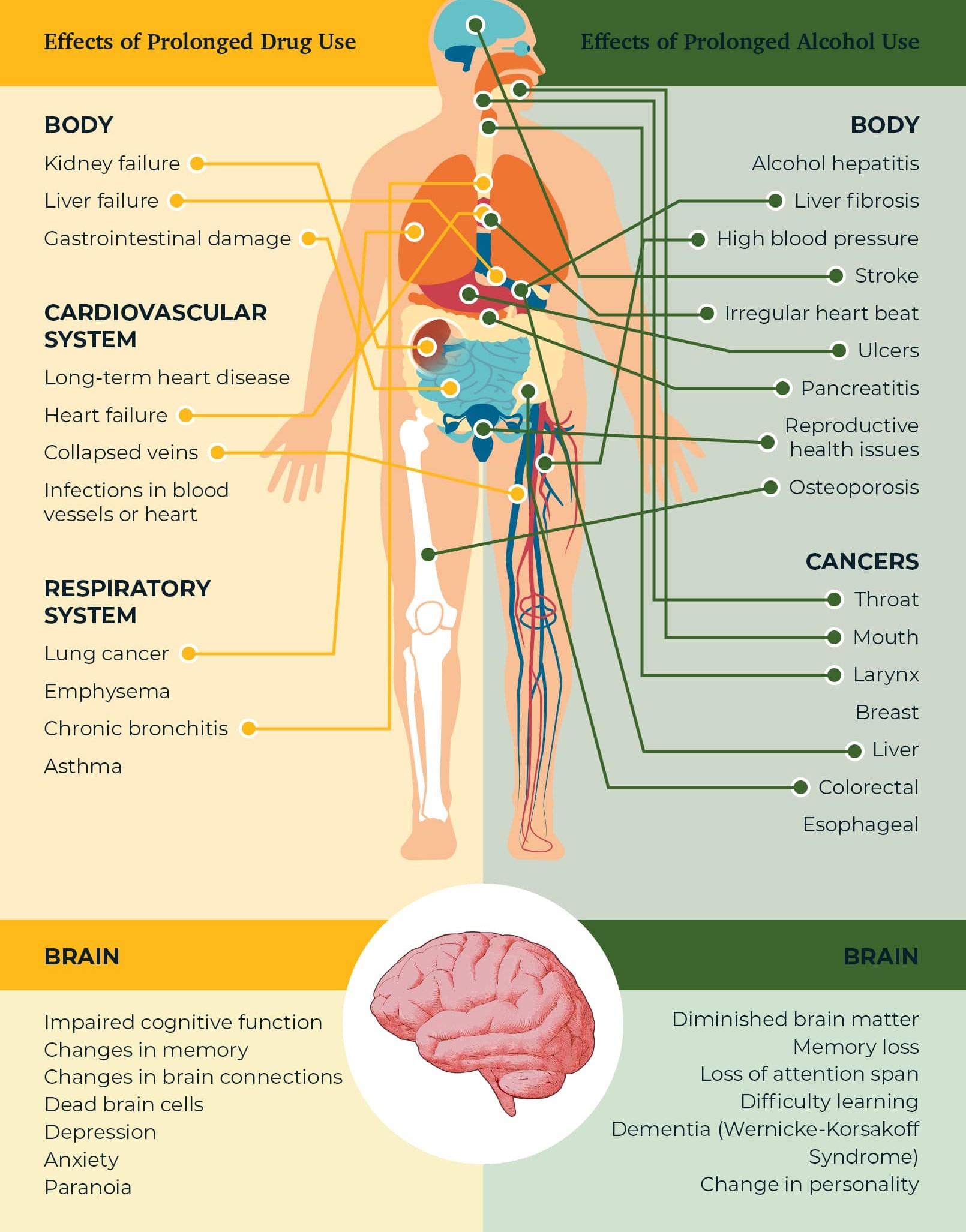
Long-term health effects of prolonged drug and alcohol use: Wyoming Recovery.

4—Skincare: Have Radiance in Aging Gracefully

As you embrace life beyond 40, skincare continues to be a very important of your daily care regimen. Aging brings forth changes in skin texture, elasticity, and moisture retention. Collagen and elastin production slow down, leading to fine lines, wrinkles, and sagging. Environmental factors, lifestyle choices, and genetics further impact your skin’s health.

Aging gracefully will involve your conscious decision to nurture your body from within and caring for the outer shell that mirrors your vitality. Afterall, our skin is your body’s largest organ, requiring ongoing tailored attention and nourishment.

  • Tailored Skincare Regimens: Crafting a personalized skincare routine becomes paramount. Consult with dermatologists or skincare specialists to curate a regimen that addresses your skin’s unique needs. Focus on gentle cleansing, hydration, protection from UV rays, and targeted treatments to address specific concerns like age spots or uneven tone. For the women, I use Meaningful Beauty and love the results. I also apply a retinol.
  • Hydration and Moisture: Maintaining skin hydration becomes essential. Opt for hydrating serums, moisturizers, and products containing hyaluronic acid or glycerin to replenish moisture and enhance skin elasticity.
  • Sun Protection: Always shield your skin from harmful UV rays. Incorporate broad-spectrum sunscreen with at least SPF 30 into your daily routine to prevent premature aging, sunspots, and skin damage. Wear a hat and sunglasses and wear UV protective clothing if you plan to be outdoors in the sun for an extended period.
  • Targeted Treatments: Consider specialized treatments like retinoids, antioxidants, or peptides to stimulate collagen production, minimize fine lines, and improve skin texture. These targeted interventions aid in preserving youthful radiance and skin resilience.
  • Lifestyle Impact: A healthy lifestyle—nutrition, hydration, exercise, and ample sleep—directly influences skin health. Adequate hydration and a balanced diet rich in antioxidants, vitamins, and omega-3 fatty acids support skin vitality.
  • Self-care Rituals: Beyond skincare products, integrate self-care rituals into your routine. Stress management, mindfulness practices, and adequate rest contribute to overall skin health and radiance.

By embracing a dedicated skincare approach, you nurture not only your skin but also your well-being. Let skincare be a celebration of self-care—a testament to the beauty that resonates from within as you navigate the journey of graceful aging beyond 40.

5—Stress: Reduce and Remove

As life unfolds beyond the age of 40, managing stress becomes pivotal for overall health and well-being. Stress, if left unchecked, can exert a profound impact on physical health, mental well-being, and the ability to navigate the challenges of aging gracefully. Understanding its effects and adopting effective strategies to alleviate stress is essential for a fulfilling life journey.

Chronic stress can take a toll on the body and mind. It contributes to elevated blood pressure, weakens the immune system, and increases the risk of cardiovascular diseases. Stress also impacts the brain and mental health, leading to anxiety, depression, and cognitive decline over time.

Listed below are a few ways to relieve stress:

  • Get a daily dose of fresh air. Being outside can increase the oxygen levels in your brain, which boosts serotonin levels.
  • Find release through exercise. Exercise is a powerful stress reducer, releasing endorphins that elevate mood and reduce stress hormones.
  • Maintain a healthy diet. A healthy diet provides nutrients to properly cope with difficult emotions. Eat a balanced diet that includes fruits, vegetables, and lean protein.
  • Get a good night’s rest. Getting more sleep is a top recommendation by the American Psychological Association for decreasing anxiety.
  • Mind over matter. Your mind is a powerful thing. Incorporate mindfulness thinking into your daily routine and when placed in stressful situations.
  • Detox your life. If possible, distance yourself or remove causes of stress. Establish boundaries. Learn to say no when necessary and delegate tasks.  
  • Build a support system. Sharing feelings and experiences can offer comfort, advice, and different perspectives, reducing feelings of isolation and stress
  • Seek professional help: If stress becomes overwhelming or persistent, seek guidance from healthcare professionals or therapists.

Recognizing the impact of stress on health and adopting proactive measures to mitigate its effects fosters not only physical resilience but also emotional and mental well-being. Prioritize stress reduction as an essential component of your journey beyond 40, allowing yourself the gift of a balanced and fulfilling life.

6—Specialists: Balance Out Your Care Team

Assembling a proactive care team beyond your primary care physician becomes paramount for nurturing comprehensive health and well-being. Integrating specialists into your healthcare regimen allows for a multifaceted approach, addressing specific concerns and aiding in the proactive management of potential health risks as you embrace life past 40.

Tailor your approach based on personal and family history. You need to be your own self advocate when it comes to your health. Physicians you may want to consider placing on your preventive care time may include a cardiologist, endocrinologist, dermatologist, cardiologist, gynecologist, urologist, ophthalmologist, dentist, gastroenterologist, rheumatologist, and others.

By incorporating specialists into your care team, you empower yourself with tailored guidance, screenings, and interventions specific to various aspects of health. This proactive approach fosters early detection, timely interventions, and a comprehensive strategy to promote holistic health and well-being as you navigate life beyond 40.

7—Risk Monitoring: Stay a Step Ahead

Regular screenings and preventive tests are essential components of proactive health care beyond 40. Early detection through screenings allows for timely interventions, potentially preventing the progression of diseases or identifying health issues in their nascent stages when treatment is most effective. The “new” may be as simple as including bloodwork or multiple tests based on your genetic makeup, family history, and lifestyle.

A short list of available preventive tests:

  • Bone Density Scans: Assess bone health and risk of osteoporosis
  • Calcium Score Tests: Evaluates coronary artery calcification, aiding in the assessment of heart disease risk
  • Colonoscopies: Detects colorectal cancer or precancerous polyps and facilitates early intervention of colorectal cancer
  • Mammograms and Pap Smears: aids in early detection of breast cancer and cervical abnormalities for women
  • Prostate-Specific Antigen (PSA) Tests: Assists in detecting potential issues for men
  • Thyroid Function Tests: Evaluate thyroid hormone levels and detect thyroid disorders
  • Skin Cancer Screenings: Assists in identifying potential skin cancers or abnormalities

The below infographic illustrates further tests but does not represent a complete list of all available health screenings and is an approximate timeframe. The age and frequency of screenings can change based on your own personal health risks and family history. Always talk to your physician to determine which tests are right for you.

Being proactive is critical. By staying vigilant with risk monitoring and adhering to recommended screenings, individuals can proactively safeguard their health, mitigate risks, and enhance the prospects of a healthier, more fulfilling life beyond 40.

A guide to health screenings in your 40’s. Source: Tri-City Medical Center.

8—Exercise: Keep on Moving

Prioritizing exercise as a regular part of life beyond 40 not only nurtures physical strength and resilience but also fosters mental clarity, emotional well-being, and a longer, more vibrant life. It is a gift to yourself—a commitment to health, vitality, and the pursuit of a fulfilling journey through the years.

Exercise boosts metabolism, aiding in better digestion, nutrient absorption, and energy expenditure. Regular exercise also strengthens the heart muscle, improves circulation, and lowers the risk of cardiovascular diseases such as heart attacks and strokes. Physical activity aids in weight management by burning calories and preserving muscle mass. This helps in controlling weight gain and maintaining a healthy body composition. Weight-bearing exercises like walking or weightlifting contribute to bone density, reducing the risk of osteoporosis and fractures.

Mentally and emotionally, regular exercising supports brain health and enhances cognitive function, reduces anxiety and depression, facilitates deeper and more restorative sleep, contributing to overall well-being.

You don’t need to run marathons and hit the gym seven days a week. Even just short, intense bouts of exercise can make a significant impact. Find activities you enjoy and make them a habit then witness the transformative effects on your overall well-being.

Whether it’s a brisk walk, a yoga class, refreshing swim, or strength training, find what suits you best and try to stay active at least 30 minutes a day with your various choices. Change your selections as the seasons change and allow exercise to be a cornerstone of your journey to a vibrant life beyond 40.

9—Mental Stimulation: Keeping Your Brain Young

Amid the journey beyond 40, mental stimulation emerges as a key element in preserving cognitive vitality and fostering a youthful mind. Engaging your brain in stimulating activities is akin to nurturing a timeless treasure—keeping your mental faculties sharp and adaptive.

Here are a few ways to sustain brilliance as you age:

  • Continuous Learning: Challenge your mind with novel pursuits. Consider enrolling in online or onsite classes, learning a new language, or exploring topics that intrigue you. Continuous learning stimulates neural connections, enhancing cognitive agility and creativity.
  • Intellectual Hobbies: Pursue hobbies that engage your intellect. Reading, solving puzzles, playing strategy games, or engaging in arts and crafts not only entertain but also bolster cognitive reserves and problem-solving abilities.
  • Social Engagement: Interacting with others stimulates the brain. Engage in social activities, join clubs, have lunch with friends, or participate in group discussions. Social engagement sharpens communication skills, fosters empathy, and stimulates various regions of the brain.
  • Mindfulness and Meditation: Practicing mindfulness and meditation fosters mental clarity and resilience. These practices will relax you, reduce stress, improve concentration, and cultivate a calm and focused mind, enhancing overall brain health.

By actively engaging your mind through diverse and intellectually stimulating activities, you preserve cognitive agility and foster resilience against age-related decline. Embrace these strategies as tools to nurture a youthful mind and relish the timeless brilliance that accompanies you on the path beyond 40.

10—Sleep: The Need to Recharge

Sleeping is vital. It not only repairs your body overnight but consolidates your memory and enhances your cognitive performance for the next day. Experts recommend that adults age 40 to sleep between 7 to 9 hours a night.

Adults who sleep less than seven hours a night may have more health issues than those who sleep seven or more hours a night. One of three Americans have a sleep deficit, per the US Centers for Disease Control and Prevention. You don’t want to be one of them as the quantity and quality of sleep is a non-negotiable aspect of a healthy and prolonged life.

In a study as part of the National Health Interview Survey by the CDC and the National Center for Health Statistics involving around 172,000 people who answered sleep questionnaires between 2013 and 2018, those with the highest quality sleep measures live significantly longer.

How? By establishing a regular sleep routine, reducing caffeine and alcohol intake, and unplugging from devices an hour before bedtime are simple yet powerful practices to enhance your sleep quality, which have proven to add nearly five years to a man’s life expectancy and almost 2.5 years to a woman’s life.

Let sleep be your ally in the pursuit of a longer and more fulfilling life beyond 40. Prioritize deep and restorative sleep as they contribute not only to physical rejuvenation but also to cognitive vitality. Establish a consistent sleep routine, your limit caffeine and alcohol intake, and power down electronic devices an hour before bedtime.

The seven side effects of sleep deficiency. Source: Vanderbilt Health.

Summary

The above outlines 10 key pillars for healthy aging, covering nutrition, diet, alcohol and drug moderation, skincare, stress management, specialized care teams, regular screenings, exercise, mental stimulation, and quality sleep. Each pillar advocates for personalized approaches and highlights the significance of consulting healthcare professionals for tailored guidance, underscoring the importance of informed decisions in promoting a longer, more fulfilling life beyond the age of 40.

Hence, the most important takeaway is consulting with your healthcare professionals for personalized advice and interventions tailored to your needs and health conditions as you age. Be proactive. Become knowledge. Build your roadmap.

Be Fit. Be Strong. Be Well.
Adriana

Share this:

  • Click to email a link to a friend (Opens in new window) Email
  • Click to share on Facebook (Opens in new window) Facebook
  • Click to share on LinkedIn (Opens in new window) LinkedIn
  • Click to share on Pinterest (Opens in new window) Pinterest
  • Click to share on Pocket (Opens in new window) Pocket
  • Click to share on Reddit (Opens in new window) Reddit
  • Click to share on X (Opens in new window) X
  • Click to share on Tumblr (Opens in new window) Tumblr
  • Click to print (Opens in new window) Print
Like Loading...

Navigating Holiday Eating

12 Tuesday Dec 2023

Posted by Adriana Falco in Diet, Health and Wellness

≈ Leave a comment

Tags

Fitness, Health, healthy-eating, holiday eating, holiday tips, mindful-eating, mindfulness, mindless eating, self-care, Wellness

Timeless tactics and tips to savoring holiday gatherings guilt-free and avoiding mindless eating and overindulging.

The holiday season is synonymous with frequent parties, family gatherings, and company festivities where there is plenty of joy, celebration, and an abundance of delicious food and flowing drinks. From table spreads and sumptuous feasts to decadent desserts and open bars, the temptation to indulge and overindulge can be hard to resist during this time of the year.

However, this upcoming holiday doesn’t have to derail your healthy eating habits and all the hard work to achieve where you are today as you head into a new year. With a few mindful eating strategies and tactics, you can savor the flavors of the season while maintaining balance and feeling great.

Here are some tips to help you survive holiday eating.

Don’t Skip Meals. Skipping meals in anticipation of a big holiday feast can backfire. Instead, have balanced meals earlier in the day to prevent excessive hunger, which often leads to overindulgence later on.

Tip: Consistent, balanced meals help regulate your appetite and prevent overeating.

Plan Ahead. This is a must! Before attending holiday gatherings or meals, consider eating a small, healthy snack ahead of time. This can help curb excessive hunger, allow you to take your time and make smart choices, and prevent overeating when faced with an array of tempting treats. Additionally, one tactic I always do is offer to bring a nutritious dish to the event, ensuring there’s something wholesome available for you to enjoy without guilt.

Tip: Planning ahead sets the stage for making mindful choices amidst tempting food spreads.

Prioritize Balance. Balance your plate with a variety of foods. Opt for a colorful array of vegetables, lean proteins, and whole grains alongside the richer, calorie-dense options. This way, you can indulge sensibly without missing out on essential nutrients.

Tip: By creating a well-balanced plate, you’re nourishing your body while relishing the festive treats.

Mindful Eating. Be present, conscious of your choices, and mindful while eating. Take time to appreciate each bite, savoring the flavors and textures. Eating slowly allows your body to register fullness, reducing the likelihood of overeating.

Tip: Practicing mindful eating fosters a deeper connection with your food and body’s signals.

Embrace Moderation. The cornerstone of enjoying holiday meals without guilt lies in moderation. Allow yourself to indulge in your favorite treats but in controlled portions. I prefer to just “take a taste”.  Enjoy a small slice of pie or a small serving of creamy mashed potatoes without going overboard. Savor each bite mindfully, appreciating the flavors and textures.

Tip: Remember, moderation isn’t about deprivation but about enjoying treats sensibly.

Be Selective with Indulgences. Not every treat or dish needs to be sampled. Be selective about what you indulge in and prioritize your absolute favorites. By choosing only the most beloved treats, you can enjoy them without feeling deprived or overeating.

Tip: Being selective allows you to fully appreciate and enjoy your favorite holiday food.

Practice Self-Compassion. Remember, the holiday season is a time of celebration, not guilt. If you find yourself overindulging at a particular meal or event, forgive yourself and move on. Avoid self-criticism and focus on making healthier choices moving forward.

Tip: Embrace kindness towards yourself and focus on progress, not perfection.

Stay Hydrated. Often, thirst can masquerade as hunger and too much alcohol can cause dehydration. Stay hydrated by drinking water throughout the day. Before reaching for a second helping, have a glass of water to assess whether you’re truly hungry or simply thirsty.

Tip: Keeping hydrated can prevent unnecessary snacking and overindulgence.

Incorporate Physical Activity. Maintain your exercise routine during the holidays. Physical activity not only helps burn extra calories but also boosts your mood and energy levels, making it easier to resist overeating.

Tip: Exercise is a fantastic way to maintain balance and feel good during the holiday season.

Mindset Shift. Reframe your approach to holiday eating. Instead of fixating solely on food, focus on the joy of spending time with loved ones, creating memories, and engaging in activities that don’t revolve around eating.

Tip: Shifting focus from food to cherished experiences enhances the holiday spirit.

Summary

Surviving holiday eating isn’t about strict diets, rigid rules, or deprivation. It’s about finding a balance that allows you to enjoy the festivities without compromising your well-being. By incorporating moderation, mindfulness, and self-compassion, you can navigate the holiday season feeling satisfied, fit, and healthy. Embrace the spirit of the season while making mindful choices, and you’ll find yourself savoring the holidays without any regrets.

Be Fit. Be Strong. Be Well.
Adriana

Share this:

  • Click to email a link to a friend (Opens in new window) Email
  • Click to share on Facebook (Opens in new window) Facebook
  • Click to share on LinkedIn (Opens in new window) LinkedIn
  • Click to share on Pinterest (Opens in new window) Pinterest
  • Click to share on Pocket (Opens in new window) Pocket
  • Click to share on Reddit (Opens in new window) Reddit
  • Click to share on X (Opens in new window) X
  • Click to share on Tumblr (Opens in new window) Tumblr
  • Click to print (Opens in new window) Print
Like Loading...

The Tiny Powerhouse: Unveiling the Health Wonders of Chia Seeds

13 Monday Nov 2023

Posted by Adriana Falco in Nutrients, Recipes, Superfoods

≈ Comments Off on The Tiny Powerhouse: Unveiling the Health Wonders of Chia Seeds

Tags

Chia Seeds, diet, Fitness, Health, Wellness

Chia seeds, once a staple in the diets of ancient civilizations like the Aztecs and Mayans, have made a remarkable comeback in recent years. These tiny seeds pack a powerful nutritional punch, earning them the title of a superfood. In this post, I will delve into what chia seeds are, explore their numerous health benefits, and discover creative ways to easily incorporate them into your daily diet.

What Are Chia Seeds?

Chia seeds are tiny black or white seeds derived from the Salvia hispanica plant, native to Central and South America. Despite their small oval-shaped size, chia seeds are nutrient-dense and offer a variety of health benefits.

Traditionally, chia seeds were a dietary staple for ancient civilizations like the Aztecs and Mayans, revered for their energy-boosting properties. The name “chia” itself is derived from the Nahuatl word “chian,” meaning oily, a testament to the seeds’ high lipid content.

Today, these tiny seeds have gained modern recognition for their exceptional nutritional profile and versatile culinary applications. Chia seeds are hydrophilic, meaning they can absorb water and form a gel-like consistency, expanding to several times their original size. This unique characteristic not only adds to their culinary appeal but also contributes to their health benefits.

Nutritional Powerhouse

Chia seeds also boast a notable mineral profile, containing essential nutrients like calcium, phosphorus, magnesium, and manganese. These minerals contribute to bone health, regulate metabolism, and support overall well-being.

  • Rich in Omega-3 Fatty Acids: Chia seeds are an excellent plant-based source of omega-3 fatty acids, essential for heart health, brain function, and reducing inflammation in the body.
  • High in Fiber: With a high fiber content, chia seeds promote digestive health and help regulate blood sugar levels, making them an excellent choice for those looking to manage weight or diabetes.
  • Loaded with Antioxidants: Chia seeds are packed with antioxidants that combat free radicals, contributing to overall health and potentially reducing the risk of chronic diseases.
  • Good Source of Plant-Based Protein: For vegetarians and vegans, chia seeds provide a valuable protein source, aiding in muscle repair and growth.

In addition to their mineral content, chia seeds are a low-calorie food, making them a valuable addition to various dietary plans and an ideal choice for those aiming to maintain or lose weight.

Incorporating Chia Seeds into Your Diet

Embarking on a journey to include chia seeds in your diet is not only beneficial for your health but also surprisingly easy. Whether you are a new to eating as healthier, a culinary novice, or a seasoned chef, the versatility of chia seeds lends itself to a variety of delicious and nutritious culinary creations.

  • Chia Pudding: Combine chia seeds with your favorite milk (dairy or plant-based) and let it sit overnight. In the morning, you’ll have a delicious and nutritious chia pudding. Customize with fruits, nuts, and sweeteners as desired.
  • Smoothie Booster: Sprinkle a tablespoon of chia seeds into your morning smoothie or shake for an added nutritional boost. The seeds will absorb liquid and create a thicker texture.
  • Oatmeal or Yogurt Topping: Enhance your breakfast by sprinkling chia seeds on top of oatmeal or yogurt. This adds a delightful crunch while increasing the meal’s nutritional content.
  • Baking Ingredient: Incorporate chia seeds into your baking recipes, such as muffins, pancakes, or bread. They add a subtle nutty flavor and a nutritional kick.
  • Salad Topping: Sprinkle chia seeds on salads for a unique texture and nutritional bonus. They blend well with both leafy greens and fruit salads.

As you experiment with incorporating these tiny seeds into your meals, you’ll discover not only their nutritional benefits but also the delightful ways they can enhance the flavor and texture of your favorite dishes.

Summary

Chia seeds are a versatile and nutritious addition to any diet, offering a range of health benefits. From improving heart health to aiding digestion, these tiny seeds have earned their status as a superfood and it’s evident that these tiny marvels are more than just a trend. With creative and easy ways to incorporate them into your meals, there’s no reason not to embrace the nutritional powerhouse that is chia seeds.

Be Fit. Be Strong. Be Well.
Adriana

Share this:

  • Click to email a link to a friend (Opens in new window) Email
  • Click to share on Facebook (Opens in new window) Facebook
  • Click to share on LinkedIn (Opens in new window) LinkedIn
  • Click to share on Pinterest (Opens in new window) Pinterest
  • Click to share on Pocket (Opens in new window) Pocket
  • Click to share on Reddit (Opens in new window) Reddit
  • Click to share on X (Opens in new window) X
  • Click to share on Tumblr (Opens in new window) Tumblr
  • Click to print (Opens in new window) Print
Like Loading...

Yoga vs. Mat Pilates: Choosing the Right Path to Mind-Body Wellness

03 Friday Nov 2023

Posted by Adriana Falco in Anti-Aging, Pilates, Yoga

≈ Leave a comment

Tags

Exercises, Fitness, Health, Pilates

In the world of mind-body fitness, two popular disciplines have stood the test of time and gained immense popularity among fitness enthusiasts: yoga and mat Pilates. Both of these practices offer a holistic approach to improving physical and mental well-being, but they do so in distinct ways. In this post, I will explore the key differences and benefits between the two, helping you make an informed decision about which one suits your needs and preferences best.

Yoga: Mind-Body Connection and Balance

Yoga is an ancient practice originating in India that combines physical postures, breath control, and meditation to foster holistic well-being. It is a more comprehensive system compared to mat Pilates, with a focus on the mind-body connection.

Key characteristics of yoga include:

  • Mindfulness and Meditation: Yoga encourages mindfulness and meditation, offering a mental and emotional dimension to physical practice. Through breath control and meditation techniques, practitioners develop mental clarity and stress reduction.
  • Variety of Styles: There are numerous styles of yoga, ranging from vigorous and dynamic practices like Vinyasa and Ashtanga to gentler styles like Hatha and Yin. This variety allows individuals to choose the style that suits their physical fitness and mental needs.
  • Flexibility and Balance: Yoga emphasizes flexibility, balance, and overall body strength. It involves a wide range of poses and stretches that target various muscle groups and help improve posture and alignment.
  • Connection to Spirituality: Some forms of yoga, such as Bhakti and Kundalini, incorporate elements of spirituality and self-realization. These practices delve deeper into the connection between the physical body and the spiritual self.

Benefits of Yoga

  • Enhanced flexibility, balance, and strength.
  • Stress reduction and mental clarity.
  • Improved posture and body awareness.
  • A sense of inner peace and self-connection.
  • Adaptability to various fitness levels and goals.


Mat Pilates: Core Strength and Precision

Mat Pilates, often referred to as Pilates, is a low-impact exercise method developed by Joseph Pilates in the early 20th century. It focuses on strengthening the core muscles, enhancing flexibility, and promoting body awareness.

Key characteristics of m Pilates include:

  • Core Emphasis: Mat Pilates places a strong emphasis on core strength. Exercises primarily target the abdominal muscles, lower back, hips, and glutes. The controlled, precise movements in Pilates engage the core throughout the workout, resulting in improved stability and posture.
  • Equipment-Free: Unlike its apparatus-based counterpart, mat Pilates requires minimal equipment. All you need is a comfortable mat or a padded surface, making it an accessible and cost-effective option for many.
  • Precision and Control: Pilates exercises demand a high degree of precision and control. Each movement is performed with a focus on proper alignment and breath, which not only strengthens the body but also enhances mental concentration.
  • Versatility: Mat Pilates can be tailored to different fitness levels, making it suitable for beginners and advanced practitioners alike. As you progress, you can add props like resistance bands, stability balls, or small hand weights to intensify your workouts.

Benefits of Mat Pilates

  • Improved core strength and stability.
  • Increased flexibility and range of motion.
  • Enhanced posture and body awareness.
  • Reduced risk of injury through proper movement mechanics.
  • Stress reduction and improved mental clarity.


Apparatus Pilates

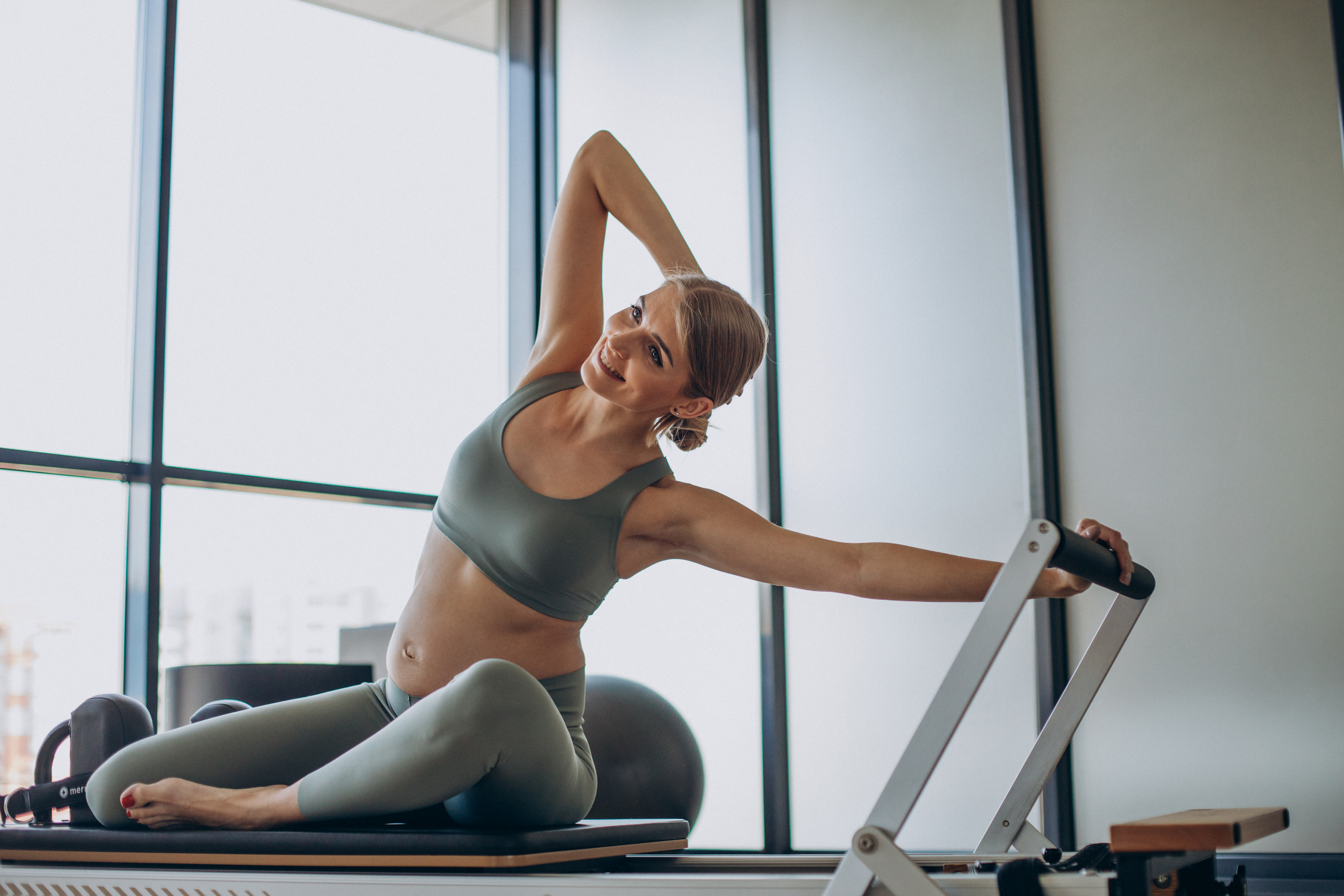
For those wondering about Pilates exercises using the assistance of machines, this type of workout is often referred to as “apparatus Pilates,” a branch of Pilates that utilizes specialized equipment to enhance and diversify the exercises and movements. These machines were also developed by Joseph Pilates, the creator of the Pilates method, to aid in rehabilitation and conditioning. Apparatus Pilates is typically conducted in a supervised setting, often at a Pilates studio, under the guidance of a certified Pilates instructor. The primary apparatus used in this form of Pilates includes the reformer, Cadillac (also known as a Trapeze Table), chair, and the barrel.

Here is an overview of some of the key apparatus used in Pilates using machines:

  • Reformer: The Pilates reformer is perhaps the most well-known piece of equipment. It consists of a sliding carriage attached to a frame with springs of varying resistance. The practitioner lies, sits, or kneels on the carriage and performs a wide range of movements, both supine and standing. The resistance provided by the springs challenges various muscle groups, and the reformer can be adapted for exercises targeting the whole body.
  • Cadillac (Trapeze Table): The Cadillac, or Trapeze Table, is a versatile apparatus equipped with a frame, a mat, and a variety of bars, straps, and springs. It allows for a wide range of exercises that target flexibility, strength, and mobility. The Cadillac can be used for both rehabilitation and advanced Pilates training.
  • Chair: The Pilates chair, also known as the Wunda Chair, is a compact piece of equipment that offers a combination of strength and balance training. It consists of a padded seat with pedals, springs, and handles. Practitioners perform exercises in seated, standing, or lying positions while using the chair’s resistance for added challenge.
  • Barrel: Pilates barrels come in various shapes and sizes, including the spine corrector, ladder barrel, and arc barrel. These tools assist in improving posture, flexibility, and core strength. Practitioners can use the barrel to perform a variety of stretches and exercises designed to enhance spinal alignment and overall body function.

Apparatus Pilates offers several benefits, including:

  • Targeted Resistance: The equipment’s springs and pulley systems provide varying levels of resistance, making it easier to target specific muscle groups and adapt exercises to an individual’s fitness level.
  • Enhanced Range of Motion: The machines assist in improving flexibility, mobility, and joint range of motion through controlled and precise movements.
  • Core Strength and Stability: Apparatus Pilates emphasizes core strength, stability, and overall body alignment, promoting better posture and reducing the risk of injury.
  • Rehabilitation: The equipment is often used in physical therapy and rehabilitation settings to aid in recovering from injuries, improving muscle imbalances, and managing various health conditions.
  • Personalized Workouts: Pilates instructors can tailor sessions to the individual’s needs and goals, ensuring a more personalized and effective workout.

Pilates using machines is suitable for people of all fitness levels, from beginners to advanced practitioners, and can be particularly beneficial for those seeking a comprehensive approach to physical fitness and well-being. It is essential to work with a certified Pilates instructor to ensure safe and effective training when using Pilates apparatus.

In Closing

Circling back to yoga versus mat Pilates, both are excellent choices for improving physical and mental well-being, each with its own unique approach and benefits. I personally prefer mat Pilates. But whether you choose to strengthen your core and refine your movement with mat Pilates or seek a holistic experience that nurtures your body and soul through yoga, both practices offer a path to improved health and vitality. So, choose the one that aligns with your goals and enjoy the journey to a healthier, more balanced you.

Be Fit. Be Strong. Be Well.
Adriana
Share this:

  • Click to email a link to a friend (Opens in new window) Email
  • Click to share on Facebook (Opens in new window) Facebook
  • Click to share on LinkedIn (Opens in new window) LinkedIn
  • Click to share on Pinterest (Opens in new window) Pinterest
  • Click to share on Pocket (Opens in new window) Pocket
  • Click to share on Reddit (Opens in new window) Reddit
  • Click to share on X (Opens in new window) X
  • Click to share on Tumblr (Opens in new window) Tumblr
  • Click to print (Opens in new window) Print
Like Loading...

Heat Stroke vs. Heat Exhaustion: Know the Difference to Stay Cool

16 Monday Oct 2023

Posted by Adriana Falco in Health and Wellness

≈ Comments Off on Heat Stroke vs. Heat Exhaustion: Know the Difference to Stay Cool

Tags

Dehydration, Fitness, Health, Heat Exhaustion, Heat Stroke

Just recently, I visited beautiful Santorini in the Aegean Sea, an island that was devastated by a volcanic eruption in the 16th century BC, forever shaping its rugged landscape. But just prior to arriving, I also visited another volcanic Greek island Milos, known for it’s stunning beaches.

It was here in Milos that I embarked on a 49-foot-long speedboat from the port of Adamas through the gulf of Milos to the emerald-green waters of Sykia then on to Kleftiko, Kalogries, and Klima. It was a glorious five hours on the shimmering sea. The sun was beaming, the water was refreshing, and the crew kept feeding us food and refreshments but no water.

At the time, I didn’t think too much of it. But later that evening, I felt my legs feeling weak but brushed it off. It wasn’t until the following day that I began to feel worse to the point of going to the medical clinic in Fira, Santorini. My ailment? Heat exhaustion.

Whenever the sun beats down on us during a warm holiday vacation or during hot summer days, understanding the differences between heat stroke and heat exhaustion can be a matter of life and death. Both conditions are heat-related illnesses that can strike when your body struggles to cope with extreme heat, but they have distinct symptoms, severity, and treatment.

Heat Exhaustion

Heat exhaustion is a heat-related illness that results from prolonged exposure to high temperatures and inadequate hydration. It’s characterized by symptoms such as heavy sweating, weakness, dizziness, nausea, and muscle cramps. The body’s response to the heat is to pump more blood to the skin’s surface to help cool down, which can lead to dehydration and imbalances in electrolytes. If you or someone you know is experiencing heat exhaustion, it’s important to move to a cooler place, hydrate with water or electrolyte drinks, and rest. Loosening clothing and using cool compresses can help alleviate discomfort. If symptoms worsen or persist for more than an hour, seeking medical attention is crucial to prevent progression to a more severe condition.

Symptoms:

  • Heavy sweating
  • Weakness and fatigue
  • Dizziness and lightheadedness
  • Nausea or vomiting
  • Cool, moist skin
  • Elevated heart rate
  • Muscle cramps or aches
  • Headache

Treatment:

  • Move to a cooler place and rest.
  • Drink fluids, preferably water or an electrolyte-replenishing sports drink.
  • Loosen clothing and take a cool shower or use a cold compress.
  • Seek medical attention if symptoms worsen or last more than an hour.

Heat Stroke

Heat stroke is the most severe heat-related illness and is a medical emergency. It often occurs when heat exhaustion goes untreated. In contrast to heat exhaustion, heat stroke is marked by a high body temperature, often exceeding 103°F (39.4°C). Unlike heat exhaustion, the skin of someone with heat stroke is dry and hot, and they may experience confusion, seizures, and even unconsciousness. This condition requires immediate medical attention. While awaiting help, it’s essential to move the person to a cooler place and take measures to lower their body temperature, such as applying cool water or ice packs. Do not provide fluids by mouth to a person with heat stroke. Prompt treatment can make the difference between life and death in heat stroke cases.

Symptoms:

  • A high body temperature (above 103°F or 39.4°C)
  • Dry, hot skin (no sweating)
  • Rapid, strong pulse
  • Throbbing headache
  • Nausea and vomiting
  • Confusion, agitation, or even unconsciousness
  • Seizures

Treatment:

  • Call 911 or seek immediate medical attention.
  • While waiting for help, move the person to a cooler place and try to reduce their body temperature (e.g., with cool water or ice packs).
  • Do not provide fluids by mouth to someone with heat stroke; focus on cooling the body.

Prevention

Preventing heat-related illnesses is crucial. Here are some tips to stay safe in the heat:

  • Stay hydrated: Drink plenty of water, especially when it’s hot. Avoid excessive alcohol and caffeine.
  • Wear appropriate clothing: Choose lightweight, loose-fitting clothing and a wide-brimmed hat.
  • Take breaks: Rest in the shade or a cool place, especially during peak sun hours.
  • Avoid strenuous activities: Limit physical exertion in extreme heat, or do it during cooler parts of the day.
  • Know your limits: Pay attention to your body and don’t push yourself if you start feeling unwell.

Understanding the differences between heat exhaustion and heat stroke is vital for your safety and the well-being of those around you during hot weather. While heat exhaustion is serious, heat stroke is a life-threatening emergency that demands immediate medical attention. By recognizing the symptoms and taking preventive measures, you can enjoy the sunshine while staying safe and cool. Stay hydrated, stay informed, and keep your cool!

Be Fit. Be Strong. Be Well.
Adriana

Share this:

  • Click to email a link to a friend (Opens in new window) Email
  • Click to share on Facebook (Opens in new window) Facebook
  • Click to share on LinkedIn (Opens in new window) LinkedIn
  • Click to share on Pinterest (Opens in new window) Pinterest
  • Click to share on Pocket (Opens in new window) Pocket
  • Click to share on Reddit (Opens in new window) Reddit
  • Click to share on X (Opens in new window) X
  • Click to share on Tumblr (Opens in new window) Tumblr
  • Click to print (Opens in new window) Print
Like Loading...

The Rise of Pickleball: Exploring Why this Fun Sport is Taking the World by Storm

26 Sunday Feb 2023

Posted by Adriana Falco in Pickleball

≈ Leave a comment

Tags

Cardio, Fitness, Health, pickle, Pickleball, Tennis

I have played pickleball for over a decade and people are always surpassed to learn this since most have never heard of the sport before until recently

Pickleball was created in 1955, by Joel Pritchard, a congressman from Washington State, and his friend Bill Bell. The story goes that one summer day, they couldn’t find their usual equipment for badminton, so they improvised by using some plywood, a perforated plastic ball, and some paddles that they had lying around. The game they invented was an instant hit, and they soon began refining the rules and equipment to make it more fun and competitive. The name “pickleball” is said to come from Pritchard’s wife, who thought the game reminded her of the pickle boat in crew, which is made up of leftover oarsmen from other boats.

Today, pickleball has become one of the fastest-growing sports and is played all over the world with a growing number of tournaments, clubs, shops, and professional players. This fun and easy-to-learn sport is enjoyed by people of all ages and skill levels, and it can be played indoors or outdoors. In this piece, I’ll explore some of the reasons why pickleball has become so popular.

Accessibility

One of the main reasons why pickleball has grown in popularity is its accessibility. Unlike some other sports, pickleball can be played by people of all ages and skill levels. It’s a low-impact sport that is easy to learn, and it doesn’t require a lot of expensive equipment or a large playing area. This makes it a great option for people who want to stay active but don’t have the time or resources to commit to a more demanding sport.

Social benefits

Another reason why pickleball has become so popular is the social aspect of the sport. Many people enjoy playing pickleball because it allows them to meet new people and make friends. It’s a great way to stay connected with others and to enjoy some friendly competition in a relaxed setting. Pickleball is often played in a doubles format, which means that players have a partner to talk to and work with during the game.

Physical benefits

Pickleball also offers a number of physical benefits. It’s a great way to get some exercise and stay active, and it can help improve cardiovascular health, flexibility, and balance. Because pickleball is played on a smaller court than tennis, players have to move quickly and be agile, which helps to build strength and endurance. Plus, it’s a lot of fun, which can make it easier to stick to a regular exercise routine.

Easy to learn

One of the biggest draws of pickleball is how easy it is to learn. Unlike some other sports, you don’t need years of practice or specialized training to become proficient at pickleball. Most people can pick up the basics in just a few minutes, and with a little practice, they can start playing at a competitive level. This makes it a great option for people who want to try something new or who are looking for a sport that they can enjoy without a lot of fuss.

Inclusivity

Finally, pickleball has become popular because it’s an inclusive sport. It’s a great way to bring people of all ages and backgrounds together, and it can be adapted to suit different skill levels and physical abilities. Whether you’re a seasoned athlete or a beginner, you can find a way to enjoy pickleball and get involved in the community.

In summary, pickleball has become popular for many reasons, including its accessibility, social benefits, physical benefits, ease of learning, and inclusivity. Whether you’re looking for a fun way to stay active, a chance to meet new people, or just a way to enjoy some friendly competition, pickleball is a great option that is sure to continue growing in popularity in the years to come.

Be Fit. Be Strong. Be Well.
Adriana

Share this:

  • Click to email a link to a friend (Opens in new window) Email
  • Click to share on Facebook (Opens in new window) Facebook
  • Click to share on LinkedIn (Opens in new window) LinkedIn
  • Click to share on Pinterest (Opens in new window) Pinterest
  • Click to share on Pocket (Opens in new window) Pocket
  • Click to share on Reddit (Opens in new window) Reddit
  • Click to share on X (Opens in new window) X
  • Click to share on Tumblr (Opens in new window) Tumblr
  • Click to print (Opens in new window) Print
Like Loading...

Adjusting Your Workouts When Life Changes

16 Monday Jan 2012

Posted by Adriana Falco in Setting Goals

≈ 1 Comment

Tags

Fitness, Health, Physical exercise, Physical fitness

Lately, I have been receiving a lot of requests for new blog postings. Yes, I am guilty of being MIA. My life took some unexpected bumps and turns – as life can be. I needed to revamp my current comfortable day-to-days to a new unfamiliar and out-of-sync schedule to meet the change and challenge.

Shifting and rearranging one’s days and weeks can sometimes take weeks and months to settle into a new routine and to feel comfortable once again. The change can impact everything, even your eating habits and your workouts. I know it has for me, including even finding time to write my blog.

Whereas before it was easy for me to get my daily workouts in, the twist in my weekly schedule at first made it a challenge for me to hit the gym. My crazy new hours left me little time and energy for “me,” but I refused to give in to the infamous cliché, “I just don’t have the time.” Life is about priorities, and getting to the gym and staying fit is one of mine and hopefully one of yours.

So when a bump in the road hits, it’s simply time to reroute your workout another way verses taking the easier route of throwing in the towel. Change is always good in a workout anyway (“The Change Up,” October 5, 2011), so embrace your new allotted time, location, or whatever the change may be and turn a lemon of a situation into lemonade by remaining fit as a fiddle.

How to Adjust Your Workouts

Okay, there’s been a change of your life. Good or bad, staying healthy and fit needs to continue to be a priority in your life regardless of your new situation. Working out will help you to continue to feel good about your body and the released endorphins will give you that natural high of well-being. Two added pluses to any type of situation.

React, reconfigure, rearrange and redo to retain. This is what needs to occur when adjusting your workout when life changes. For me, my weekends remained the same during my change, but long gone (at least for now) are my two-hour early morning workouts, unless I want to be up at 5am every day. So to modify my fitness schedule, I had to start to plan ahead – which is key – as to when I would be able to get to the gym during the week and when I would also get in my outdoor runs, indoor swims and other fitness endeavors.

Make the most of your time. Some days require that I do a split workout; some of it in the morning and the balance in the evening. Even if you have only 15 minutes in the morning, walk up and down the steps for the 15 or do an abs workout. Combine it with another 15 minutes in the evening and now you have a 30 minute workout.

Be effective and efficient. Don’t even have time to get the gym or would rather same the drive time for working out at home? Invest in some home equipment or in fitness DVDs (“My Top 10 Favorite Fitness DVDs,”December 11, 2011). I love my treadmill. It’s always readily available when I have limited time. There are also so many effective DVD workouts that can bring you the same results as being in the gym.

Have zero time right now? Then you might also have to get creative. Park your car further away from the front doors of your destination. Take the steps instead of the elevator. Spend your lunch hour going for a walk. Going to the game? Get tickets high up in the bleachers. Have a stationary bike at home? Ride it while catching the news or your favorite show. You get the idea.

The bottom line is that there may be many changes during one’s life and you need to learn to go with the flow and just adjust and adapt to a new workout schedule. Yes, there may be times it’s tricky to get it in. But believe in yourself and get it in. Your health and well being is essential, so never lose sight of the importance of staying fit – no matter what.

Be Fit. Be Strong. Be Well.
Adriana

Share this:

  • Click to email a link to a friend (Opens in new window) Email
  • Click to share on Facebook (Opens in new window) Facebook
  • Click to share on LinkedIn (Opens in new window) LinkedIn
  • Click to share on Pinterest (Opens in new window) Pinterest
  • Click to share on Pocket (Opens in new window) Pocket
  • Click to share on Reddit (Opens in new window) Reddit
  • Click to share on X (Opens in new window) X
  • Click to share on Tumblr (Opens in new window) Tumblr
  • Click to print (Opens in new window) Print
Like Loading...

Group Classes versus Gym Equipment versus Fitness DVDs – Which is Best?

12 Monday Dec 2011

Posted by Adriana Falco in Exercising, Fitness Classes

≈ Leave a comment

Tags

DVD, Fitness, Gym, Health, Physical exercise, Pilate, Yoga, Zumba

Getting fit is the goal, but is it easier to achieve by participating in a group class or following along a fitness DVD? What about all the other exercise equipment that can be found in the gym? This could be a great debate question among exercise enthusiasts; work out in a group, in a gym, or solo in front of a TV. Which gets you the best results?

When I first joined a health club, I became curious to the aerobic exercise classes that went on behind the closed door in the gym. As a person who came to the gym to use the equipment, treadmill and swimming pool, I would take a quick look inside of the room – filled mostly with enthusiast women –sweating it out in almost complete synchronization to the vociferous instructor. It was almost as if I was in envy as I stood there watching. At the time, I had never taken group fitness class, so I was very curious what it would be like to work out in a synchronized group. What kind of results would I get?

Many of the participants in the group classes seemed more flexible and more coordinated at the choreography than I’ll ever be. But as I gazed in more often and frequently, I also noticed that most of these very same women do not work out in the free weight room or on the circuit training equipment. They solely come to the gym to take a class, then exit out the door. That’s it. That’s their workout, well, from what I can tell from the gym’s side.

Can someone get fit just from a fitness class? For many years (since I was 17), I had used the equipment in the gym – from the free weights and weight machines to the indoor track and swimming pool. This was my main training means when I worked out for fitness competitions to which I got great results.

I have also used and still use fitness DVDs, with Mari Winsor’s Pilate series my absolute favorite, (especially the ab sculpting DVD). Results have been very good; so good that I continue to use the Pilates DVDs to this very day.

I did eventually try the group fitness classes at my gym. I wanted to see what type of results I would achieve but was also drawn to the socialization, something you do not get with a DVD or dumbbell.  I soon became hooked, and before you know it I became a regular and pro at the Advance Step Aerobics class, a high cardio step routine on risers. I also many others, including Pilates, Yoga, and Boot Camp.

So what about the classes? Are they just as good? Well, like the fitness DVDs, there are so many to choose. Step. Body Pump. Lift It. Kickboxing. Interval Training. Spin. Zumba and many more. For many and most, results are achievable. If you put in the time, determination and dedication – as much as you would any other workout – then yes, goals are definitely attainable.

The true bottom line is the best workout – may it be group classes, gym equipment or fitness DVDs – is the one the gives YOU the best results. Everyone’s genetic makeup and how your body reacts to your chosen exercises and venue is different. The personal preference to what you enjoy best varies from person-to-person as does their time availability to get fit. Do what makes you feel good and the one you see the most ideal results. Find what works best for you and enjoy most. In the end, it doesn’t matter “how” you achieved your results as much as the fact you “have” reached your goals.

Be Fit. Be Strong. Be Well.
Adriana

Share this:

  • Click to email a link to a friend (Opens in new window) Email
  • Click to share on Facebook (Opens in new window) Facebook
  • Click to share on LinkedIn (Opens in new window) LinkedIn
  • Click to share on Pinterest (Opens in new window) Pinterest
  • Click to share on Pocket (Opens in new window) Pocket
  • Click to share on Reddit (Opens in new window) Reddit
  • Click to share on X (Opens in new window) X
  • Click to share on Tumblr (Opens in new window) Tumblr
  • Click to print (Opens in new window) Print
Like Loading...

The Change Up

05 Wednesday Oct 2011

Posted by Adriana Falco in Exercising, Health and Wellness

≈ Leave a comment

Tags

Fitness, Health, Muscle, Physical exercise, Physical fitness, Weight training

Now that autumn is falling into place with its brisker weather and shorter days, what better time than now to restructure your workouts to not only to accommodate the cooler days and shorter daylight, but to jolt your muscles into getting even stronger and fitter.

In order for your body to keep developing and becoming more fit, your workout program has to keep changing. When you continue to repeat the same workout over and over again without altering it, you prevent your body from evolving and making any gains. Your mile times won’t approve. Your bench press won’t make an impact. Your exercises won’t be effective. All because you forced your body to hit a plateau. You muscles have become accustomed to what you are doing and are no longer responding at the level they once did.

Muscles react to change. They actually thrive on it by growing stronger, bigger, firmer, and toner. Change is their fuel. Fat also reacts to change. If you change up the exercise routine, not only will your body be continually challenged, but it will also burn more calories, resulting in a more successful weight loss. In addition, you avoid boredom and prevent possible injuries.

You should switch up your exercises about every four to twelve weeks or whenever you feel like you aren’t improving anymore. Typically, I change my workout routine four times a year, often coinciding with the change of the seasons. So now that autumn is falling into place with its brisker weather and shorter days, what better time to restructure my workouts to accommodate the cooler days and shorter daylight. Now my workouts occur mainly indoors, starting with a 6:00 am fitness class three days a week for one hour. This is following by a run on the treadmill and then abs. Alternating days I continue my runs and abs but add weight training and Pilates. Plus two days a week I swim and one I bike. I will also be starting with a new trainer to continue with the change up and help me target particular areas.

But a changeup shouldn’t be just for your workout routine. When it’s time to change your exercises, you should also take the opportunity to re-evaluate your diet. Is it as healthy as it should be? Is there any way you can improve your eating lifestyle? Have you been slipping back to past bad eating habits?

For me when it’s just me by myself, I often fall into the rut of eating almost the same foods for at least breakfast and lunch. So with the changing of my gym workout in combination of less availability of fresh seasonal fruits at the supermarket, I have also changed up my daily diet. Breakfast is now oatmeal with unsweetened applesauce, walnuts, cinnamon, blueberries and strawberries while lunch is a boneless chicken breast and a green vegetable. Snacks are nuts, banana or carrots. Dinner is usually on the run and may be as simple as organic peanut butter on 100% whole wheat bread or a fresh fish dish at a favorite restaurant.

The bottom line is that with dedication and determination, your fitness goals are achievable. Stay discipline and remember to change up your exercise routine regularly. Get creative and explore new and exciting fitness routines. If you feel you are at a loss as to how to change your workout, seek the advice of a trainer from your gym who may provide wonderful new moves for you to try. Any way you change it up, it’s the change that’s the key to your fitness success.

Be Fit. Be Strong. Be Well.
Adriana
Share this:

  • Click to email a link to a friend (Opens in new window) Email
  • Click to share on Facebook (Opens in new window) Facebook
  • Click to share on LinkedIn (Opens in new window) LinkedIn
  • Click to share on Pinterest (Opens in new window) Pinterest
  • Click to share on Pocket (Opens in new window) Pocket
  • Click to share on Reddit (Opens in new window) Reddit
  • Click to share on X (Opens in new window) X
  • Click to share on Tumblr (Opens in new window) Tumblr
  • Click to print (Opens in new window) Print
Like Loading...

Walk Your Way to Wellness

26 Monday Sep 2011

Posted by Adriana Falco in Cardio, Exercising

≈ Leave a comment

Tags

Fitness, Health, Physical exercise, Walking

I often mention my mother when I write and the influence she has had on my healthy lifestyle. My dad also played a major role with his athletic and physical activities and healthy eating. Dad raced track in school, played golf regularly in his single years, and performed calisthenics in his later years.

His one favorite fitness activity that he did for as long as I can remember is that he walked every day and usually twice. Dad walked no matter what the weather conditions was like – rain, winds and even snow. He would wake up at dawn and out the door he went, walking to Lou’s Sandwich Shop a few miles away to have breakfast with his longtime friends. Afterward, he would walk home to work remotely from his home office for the day and repeat this same walk again to have lunch at the same eatery. Dad also learned to master reading and listening to a talk radio while he walked; as if he body was placed on automatic cruise control!

Greek physician Hippocrates once said, “Walking is man’s best medicine.” He’s right! For starters, it is simply one of the easiest, cheapest, and safest activities for burning calories and tuning up the cardiovascular system. Dad walked for years. We lived in the suburbs, he had a car, but he still made it a point to walk. It made his heart strong, his leg muscles solid, and his mood happier. Walkers also have less incidence of cancer, heart disease, stroke, diabetes and other killer diseases. They live longer and get mental health and spiritual benefits. Studies also show that regular walking increases bone density, helps to fade fibromyalgia pain, offsets stress, lessens the need for medications, and provides the time to refocus and reflect in addition to the increased fitness levels and a way to whittle down the weight. There’s also the bonus of soaking up some vitamin D from the sun when walking outside on sunny days.

So if you want to get healthier or trim down a little bit, than walking is a good exercise of choice with no gym membership required! If you are not a walker but want to begin, start the first week by walking 20 minutes three times a week. For the next few weeks, increase your time to 30 minutes. As you feel more energetic and fit, add an extra session or two to your weekly walking program. Try to work up to five sessions a week, for 30 to 45 minutes each time, especially if you are trying to pare off fat pounds. Remember to walk at a good pace, too.

Here are some additional tips. Wear good sneakers or walking shoes with great support. Let your heel strike the ground first, then roll from the heel to the ball of your foot. Push off with the ball of your foot for more momentum. Maintain your elbows bent at about a 90-degree angle and keep them close to your sides. Swing your arms back and forth as you walk. Keep your head level as you walk and look straight ahead. Take long, smooth strides. Walk as briskly as you can. Breathe deeply but naturally as you walk.

What’s especially great about walking is you can do it almost at any time and at any place. You can go solo or take your dog, friends, co-works or children with you for a team effort. Walk on a treadmill at the gym while catching up on your reading, listening to your favorite show, or watching a show on the gym TV. Don’t have time today? Then take the stairs instead of the elevator. Park further from store entrances. And purchase a pedometer to keep track of your steps. You might be delightfully surprised.

Walking is fun. It’s great and safe for all ages, from the very young to the very old. Best of all, it’s free. So put on a comfortable pair of walking shoes, grab some chilled water, and get out there for a healthy walk and healthier life.

Be Fit. Be Strong. Be Well.
Adriana

Share this:

  • Click to email a link to a friend (Opens in new window) Email
  • Click to share on Facebook (Opens in new window) Facebook
  • Click to share on LinkedIn (Opens in new window) LinkedIn
  • Click to share on Pinterest (Opens in new window) Pinterest
  • Click to share on Pocket (Opens in new window) Pocket
  • Click to share on Reddit (Opens in new window) Reddit
  • Click to share on X (Opens in new window) X
  • Click to share on Tumblr (Opens in new window) Tumblr
  • Click to print (Opens in new window) Print
Like Loading...
← Older posts

Adriana Falco

  • About the Blogger
  • Healthcare Disclaimer

Like Us on Facebook

Like Us on Facebook

Enter your email address to subscribe to this blog and receive notifications of new posts by email.

Join 135 other subscribers

Recent Posts

  • Easy and Healthy Peanut Butter Dessert Recipes June 9, 2024
  • The Good, the Bad, and the Ugly Oils You Should Include and Not Include in Your Diet March 4, 2024
  • The Sweet Truth About Sweet Potatoes February 28, 2024
  • Unlocking the Decade Beyond 40: 10 Ways to Maximize Longevity and Well-being January 8, 2024
  • Navigating Holiday Eating December 12, 2023
  • The Statin Conundrum: Why Alcohol and Cholesterol Meds Don’t Mix November 27, 2023
  • Healthy and Scrumptious Desserts for the Upcoming Holiday Season November 20, 2023
  • The Tiny Powerhouse: Unveiling the Health Wonders of Chia Seeds November 13, 2023
  • Unraveling the Enigma: Understanding Frontotemporal Dementia (FTD) November 10, 2023
  • Yoga vs. Mat Pilates: Choosing the Right Path to Mind-Body Wellness November 3, 2023

Search Blog Topics

Categories

  • Abdominal Muscles
  • Anti-Aging
  • Book Review
  • Caffeine
  • Cardio
  • Cycling
  • Diet
  • Exercising
  • Fitness Classes
  • Golf
  • Health and Wellness
  • Healthy Getaway
  • Hearth Health
  • Hiking
  • Metabolism
  • Muscles
  • New Year's Resolutions
  • Nutrients
  • Nutrition
  • Pain Management
  • pain relief
  • Paleo
  • Personal Trainer
  • Pickleball
  • Pilates
  • Recipes
  • Running
  • Setting Goals
  • Skiing
  • Skincare
  • Sleep
  • Sports
  • Superfoods
  • Swimming
  • Top 10 Lists
  • Training
  • Uncategorized
  • Vitamins
  • Weight Training
  • Yoga

Fit Past 40 Archives

Follow @ FitnFun

Tweets by fitnfun

Recent Tags

Abdominal exercise Aerobic exercise American Heart Association Bananas Blueberry Breakfast Caffeine Cardio Caveman Diet Cellulite Chocolate Connective tissue Cookies Dark Chocolate Dehydration diet Dieting DVD Eating Clean Energy Bars Energy Drinks Exercises exercising fast twitch muscle fiber Fat Fat Flush Plan Fitness fitness over 40 fitness past 40 Gym Health Healthy Choices Healthy Desserts healthy living Heart Health Hiking holiday eating Metabolism mindless eating Muscle New Year’s resolutions Nutrition pain relief Paleo Pancakes Peanut butter Personal trainer Personal Training Physical exercise Physical fitness Pickleball Pilate Pilates Pumpkin Recipes Riding Horses Running Running Outdoors Setting Goals Ski Skiing Spaghetti Squash sport Sports Strength training Sweet Potatoes Tennis Travel Weight loss Weight training Wellness Winter Blues Yoga Zucchini Zumba

Archives

Adriana Falco

  • About the Blogger
  • Healthcare Disclaimer

Like Us on Facebook

Like Us on Facebook

Enter your email address to subscribe to this blog and receive notifications of new posts by email.

Join 135 other subscribers

Recent Posts

  • Easy and Healthy Peanut Butter Dessert Recipes June 9, 2024
  • The Good, the Bad, and the Ugly Oils You Should Include and Not Include in Your Diet March 4, 2024
  • The Sweet Truth About Sweet Potatoes February 28, 2024
  • Unlocking the Decade Beyond 40: 10 Ways to Maximize Longevity and Well-being January 8, 2024
  • Navigating Holiday Eating December 12, 2023
  • The Statin Conundrum: Why Alcohol and Cholesterol Meds Don’t Mix November 27, 2023
  • Healthy and Scrumptious Desserts for the Upcoming Holiday Season November 20, 2023
  • The Tiny Powerhouse: Unveiling the Health Wonders of Chia Seeds November 13, 2023
  • Unraveling the Enigma: Understanding Frontotemporal Dementia (FTD) November 10, 2023
  • Yoga vs. Mat Pilates: Choosing the Right Path to Mind-Body Wellness November 3, 2023

Search Blog Topics

Categories

  • Abdominal Muscles
  • Anti-Aging
  • Book Review
  • Caffeine
  • Cardio
  • Cycling
  • Diet
  • Exercising
  • Fitness Classes
  • Golf
  • Health and Wellness
  • Healthy Getaway
  • Hearth Health
  • Hiking
  • Metabolism
  • Muscles
  • New Year's Resolutions
  • Nutrients
  • Nutrition
  • Pain Management
  • pain relief
  • Paleo
  • Personal Trainer
  • Pickleball
  • Pilates
  • Recipes
  • Running
  • Setting Goals
  • Skiing
  • Skincare
  • Sleep
  • Sports
  • Superfoods
  • Swimming
  • Top 10 Lists
  • Training
  • Uncategorized
  • Vitamins
  • Weight Training
  • Yoga

Fit Past 40 Archives

Follow @ FitnFun

Tweets by fitnfun

Recent Tags

Abdominal exercise Aerobic exercise American Heart Association Bananas Blueberry Breakfast Caffeine Cardio Caveman Diet Cellulite Chocolate Connective tissue Cookies Dark Chocolate Dehydration diet Dieting DVD Eating Clean Energy Bars Energy Drinks Exercises exercising fast twitch muscle fiber Fat Fat Flush Plan Fitness fitness over 40 fitness past 40 Gym Health Healthy Choices Healthy Desserts healthy living Heart Health Hiking holiday eating Metabolism mindless eating Muscle New Year’s resolutions Nutrition pain relief Paleo Pancakes Peanut butter Personal trainer Personal Training Physical exercise Physical fitness Pickleball Pilate Pilates Pumpkin Recipes Riding Horses Running Running Outdoors Setting Goals Ski Skiing Spaghetti Squash sport Sports Strength training Sweet Potatoes Tennis Travel Weight loss Weight training Wellness Winter Blues Yoga Zucchini Zumba

Archives

Blog at WordPress.com.

Privacy & Cookies: This site uses cookies. By continuing to use this website, you agree to their use.
To find out more, including how to control cookies, see here: Cookie Policy
  • Subscribe Subscribed
    • Fit Past 40 Blog
    • Join 86 other subscribers
    • Already have a WordPress.com account? Log in now.
    • Fit Past 40 Blog
    • Subscribe Subscribed
    • Sign up
    • Log in
    • Report this content
    • View site in Reader
    • Manage subscriptions
    • Collapse this bar
 

Loading Comments...
 

    %d